Search

Adventures in the Villa

Category

Airstream Club

2021-05-30 – Springtime in the Rockies caravan… Day 4 – Estes Park, CO

We had a lazy, easy day today. It is cold and rainy, with no scheduled activities.

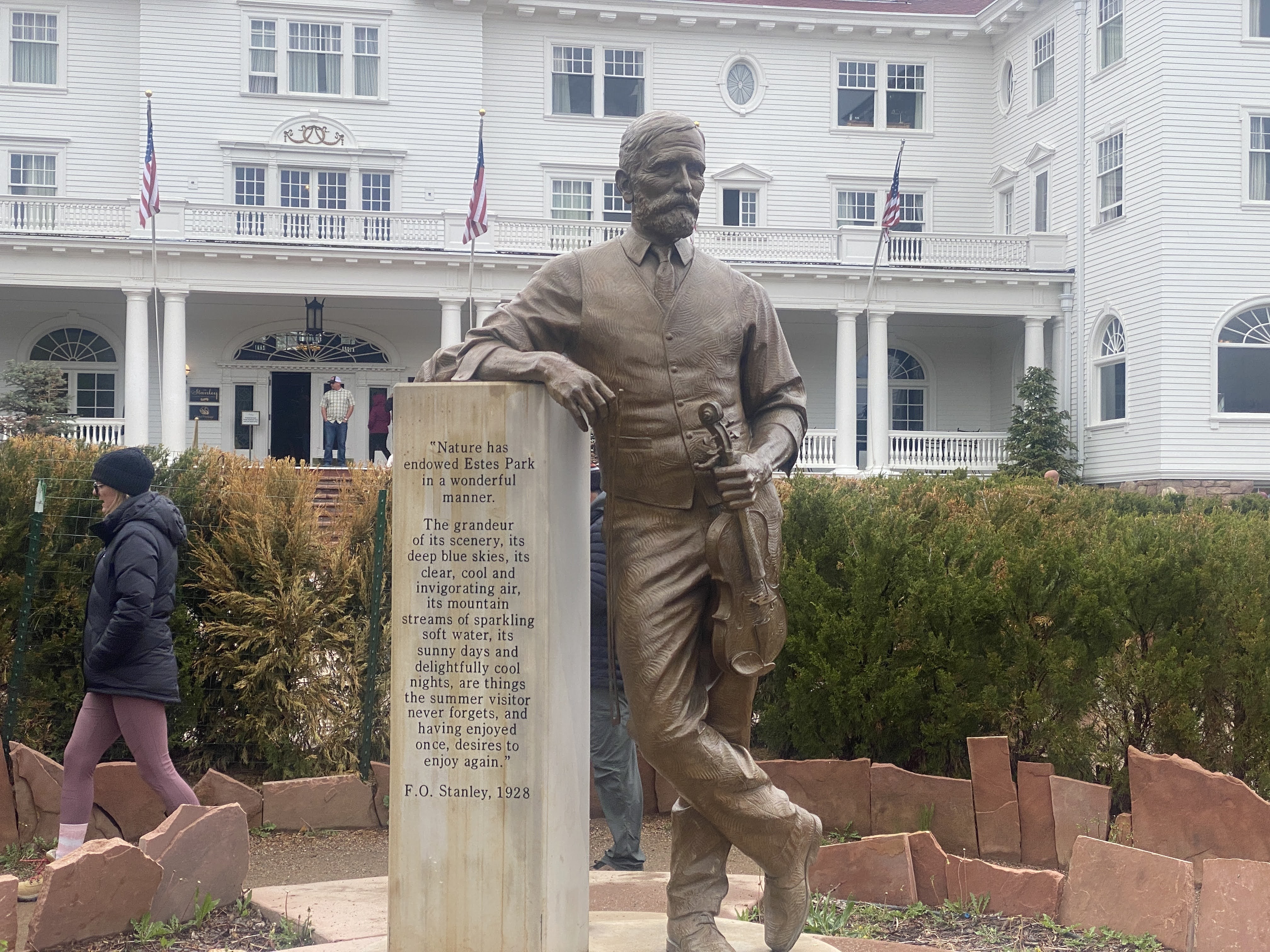
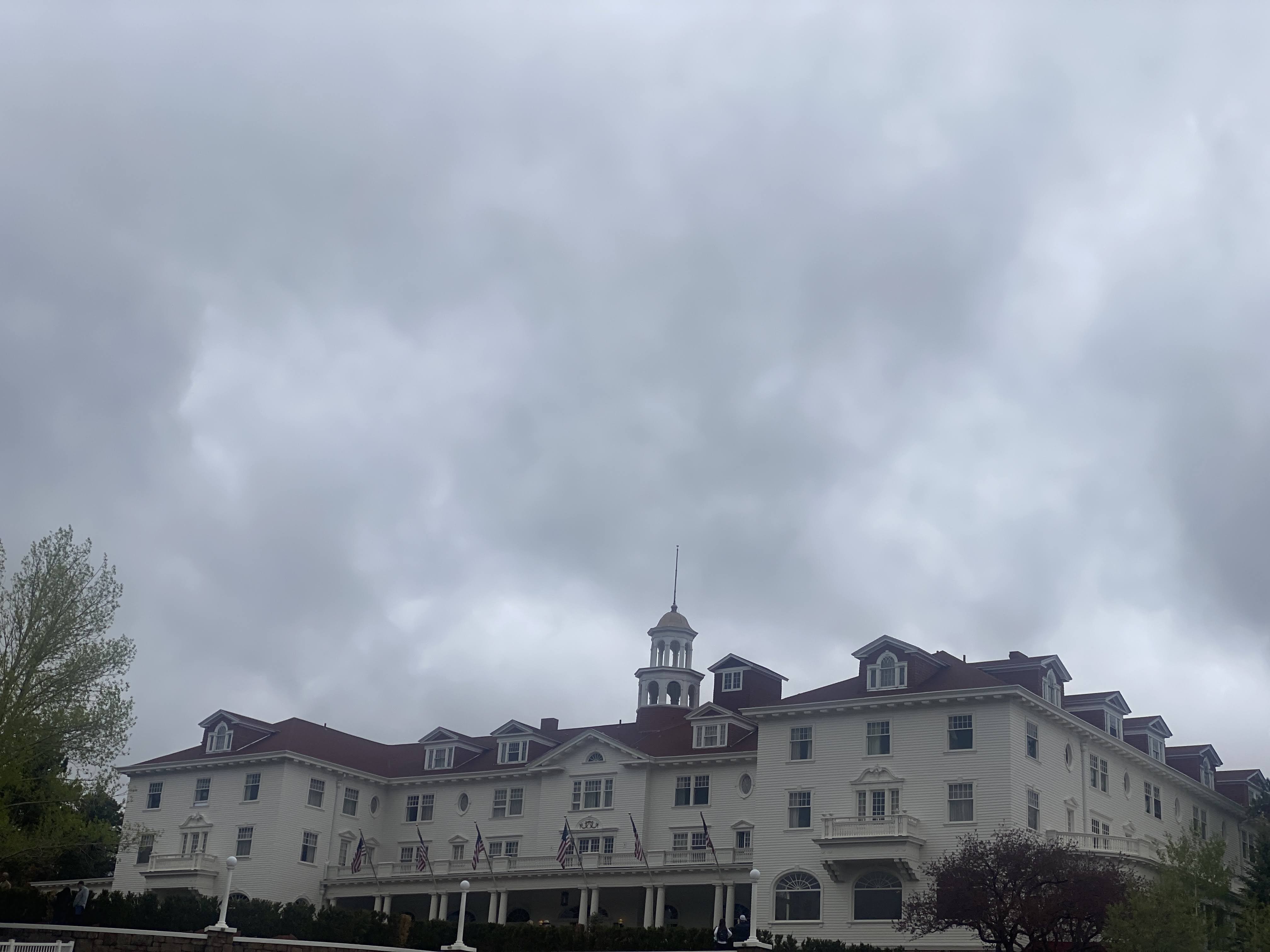
At about noon we drove into Estes Park and stopped to see the Stanley Hotel:

The story of the Stanley Hotel began in 1903 when Yankee inventor Freelan Oscar Stanley (He and his twin brother, Francis, invented and produced the Stanley Steamer automobile…) arrived in the valley, weak and underweight from the symptoms of consumption. To his amazement, just one season here was enough to restore his health to better than before! Overjoyed, he vowed to return each summer for the rest of his life.

However, he and his wife Flora were used to the sophistication of East Coast society, and the little community of Estes Park offered little to stimulate and challenge this multi-talented genius.  Together, they resolved to build a beautiful grand hotel – and when the Stanley Hotel opened in 1909, the first guests who pulled up in stylish Stanley-designed steam cars were astonished at what they saw. Here in this mountain wilderness, surrounded by the rustic haunts of the hunter and homesteader, was an edifice that withstood comparison to the posh hotels “back east.” Electric lights, telephones, en suite bathrooms, a staff of uniformed servants and a fleet of automobiles were at their disposal. Naturally, Stanley had also done much to develop the burgeoning town. By 1917, it was an official municipality with water-works, a power plant and civic organizations that were all, in some way, thanks to Stanley.

By the 1970s the hotel’s splendor had faded due to lack of care and investment. It might have eventually have succumbed to the wrecking ball, if not for a fortuitous visit by author Stephen King. A stay of one night was enough to inspire his third major work and first hardcover bestseller The Shining, which remains a landmark masterpiece in a long and well-known list of novels.

After a full restoration, the hotel stands today as a beautiful testament to its glory days, when it served as a holiday retreat for wealthy urbanites.

Here is F. O. Stanley, himself…

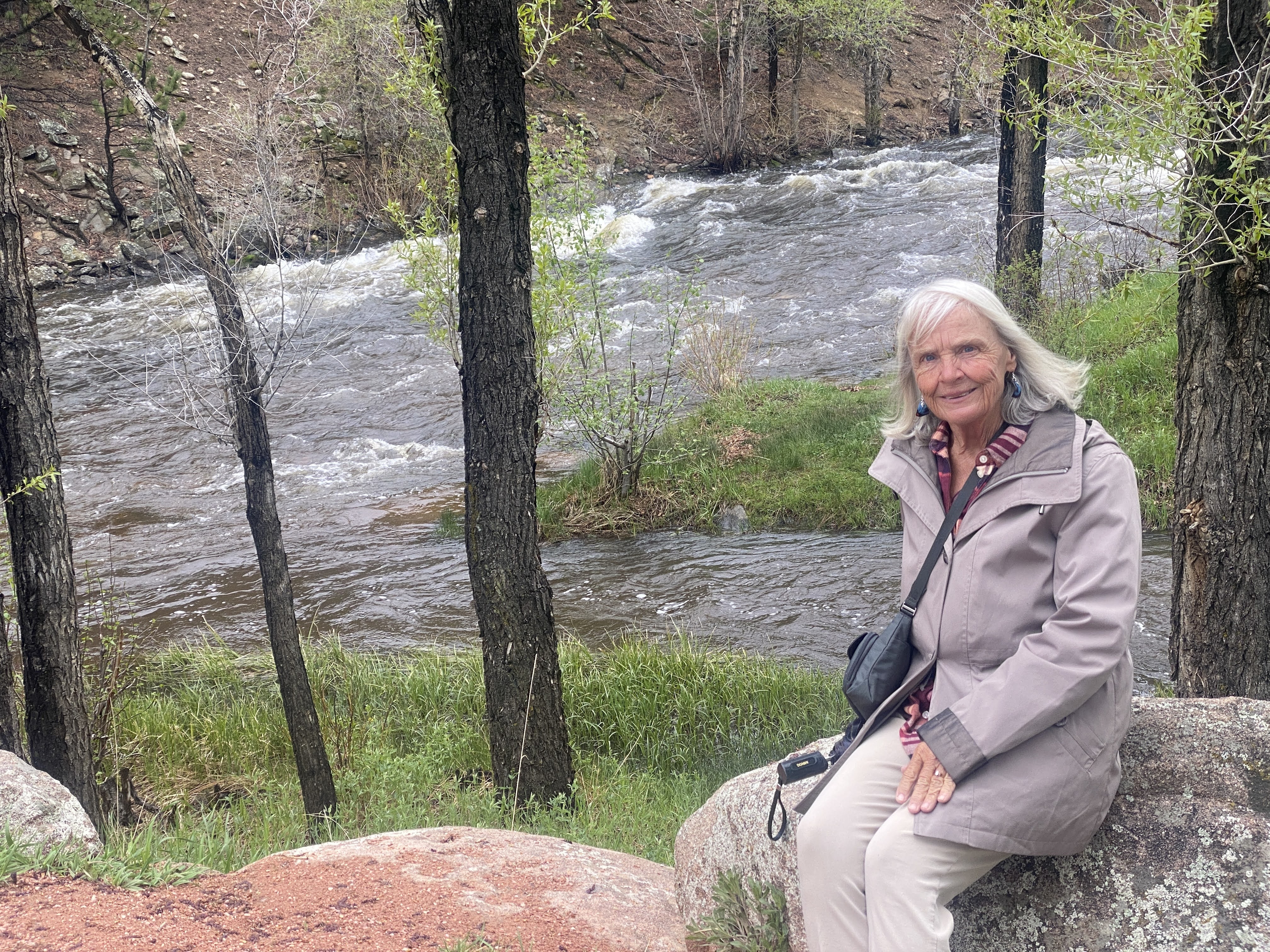
After strolling the grounds we walked towards the city’s shopping district. We found the rushing the Big Thompson River and a lovely riverside walkway lined with many different businesses…

We walked about an hour, then we headed back towards the Villa. It was just starting to rain. But something piqued my interest, so we drove two miles past the RV park to the YMCA camp.

Yes, indeed. Just as I suspected, this is the place where, in 1969, Lynda and I attended our church’s “Young Calvinist Convention”, along with about 1,000 CRC teenagers. After a torturous charter bus ride, where our bus broke down and had to be replaced, and where the second bus driver failed to appear after our driver had driven his limit, we finally arrived many hours late.

About the only things I remember about the convention was that the food was terrible (first time I had tasted hominy, first time I had tasted grits, and I abhor both of them to this day…) and that the days were sunny with clear blue skies until about 3:00 in the afternoon when giant clouds blew in and it rained for about an hour.

Our bus trip home was uneventful, and a week later Lynda and I left for our respective colleges, 300 miles apart… Not an enjoyable time at all…

So we returned to the Villa, and remained cozy inside while the rain continued to fall. Tomorrow we travel to Colorado Springs, stop #2 on the caravan. And an enjoyable time was had by all…

2021-05-29 – Springtime in the Rockies caravan… Estes Park, CO – Day 3 – Rocky Mountain National Park

Today was a real thrill. Today’s drive was what Rocky Mountain National Park is all about. We drove from the RV Park (elevation 7,729) to the Alpine Visitor Center (elevation 11,796), passing the high point in the road at elevation 12,188…!

I took about 5,000 pictures. I’ll try to condense them down here…

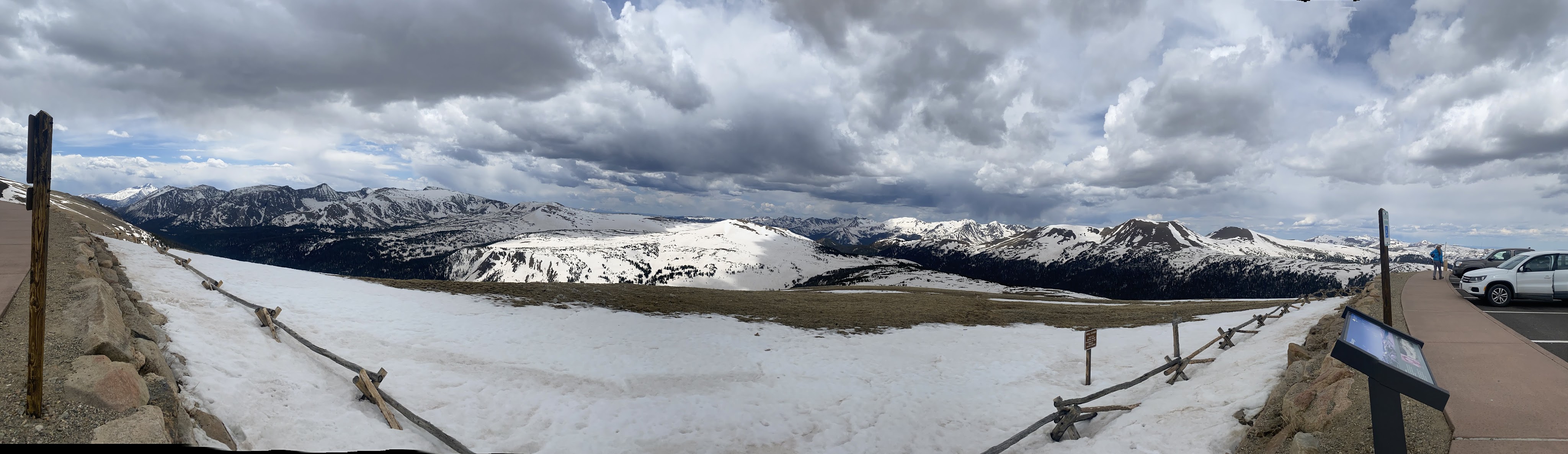
There are several ecosystems visible from the road – forest, snow, rocks, tundra… It changes at every turn…

In the photo above we can see outside the RMNP. The entire Park is surrounded by National Forests…

At the Forest Canyon Overlook, the pathway was totally covered with snow. We decided to skip this path… We are at elevation 11,700, and we can feel the effects of the altitude…

We are now above the tree line. Nothing but tundra consisting of tiny plants, miniaturizing themselves as a way to survive…

Below are the Lava Cliffs…

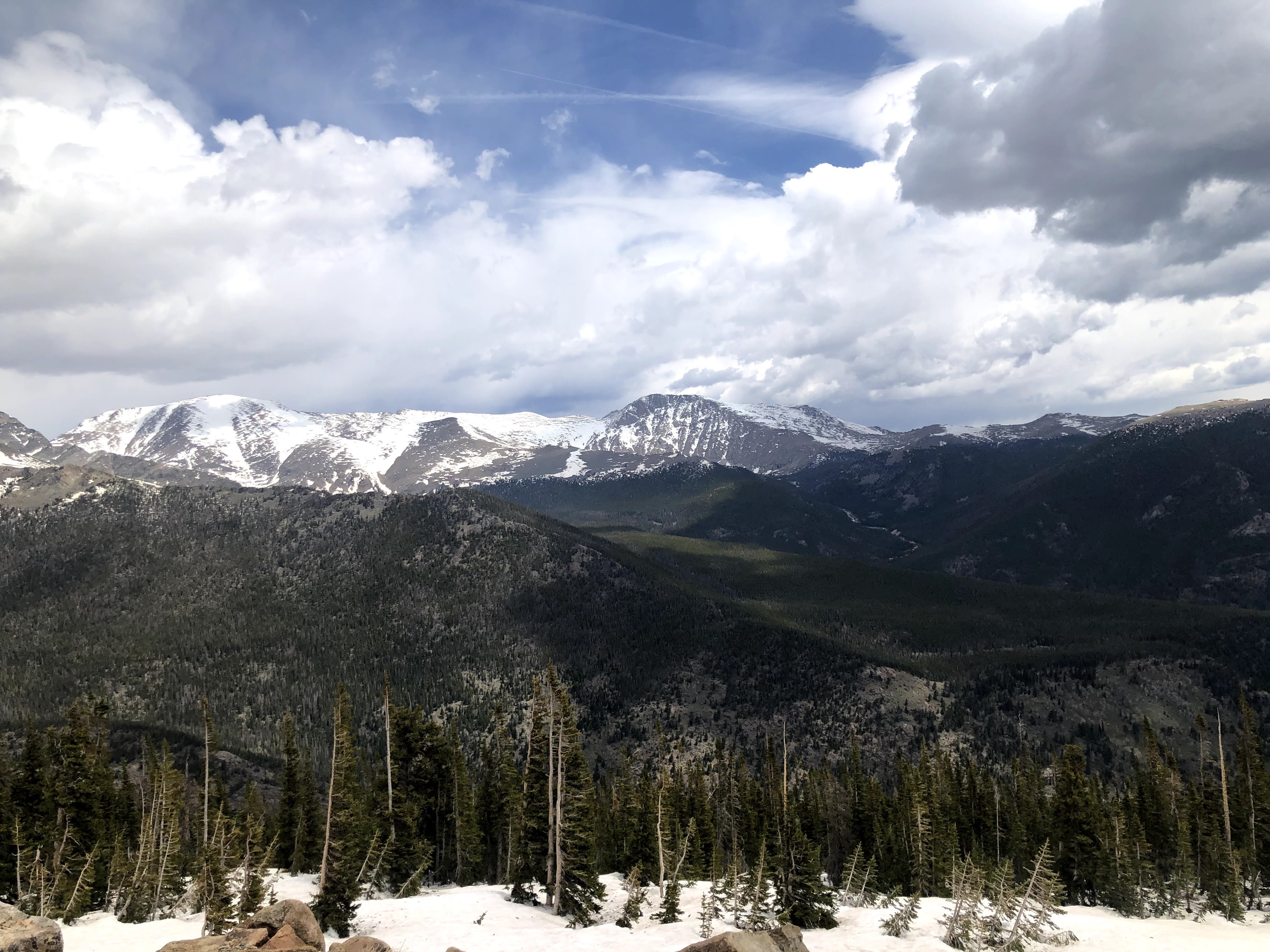
Here we see the Gore Range – mountains reaching as high as 12,928′.

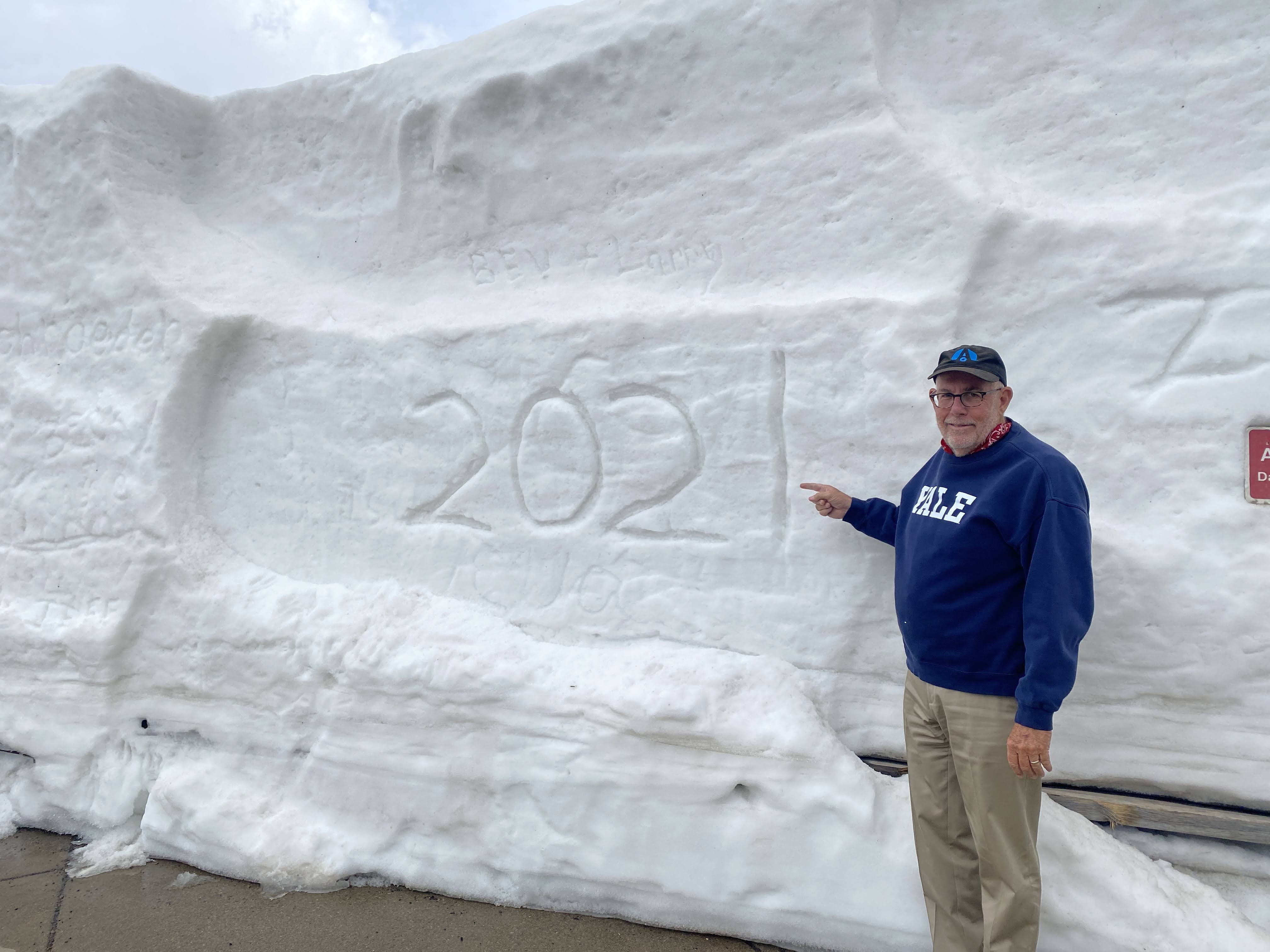
We have arrived at the Alpine Visitor Center, elevation 11,796. My Hemoglobins are starving! There is about 14′ of snow on the ground…

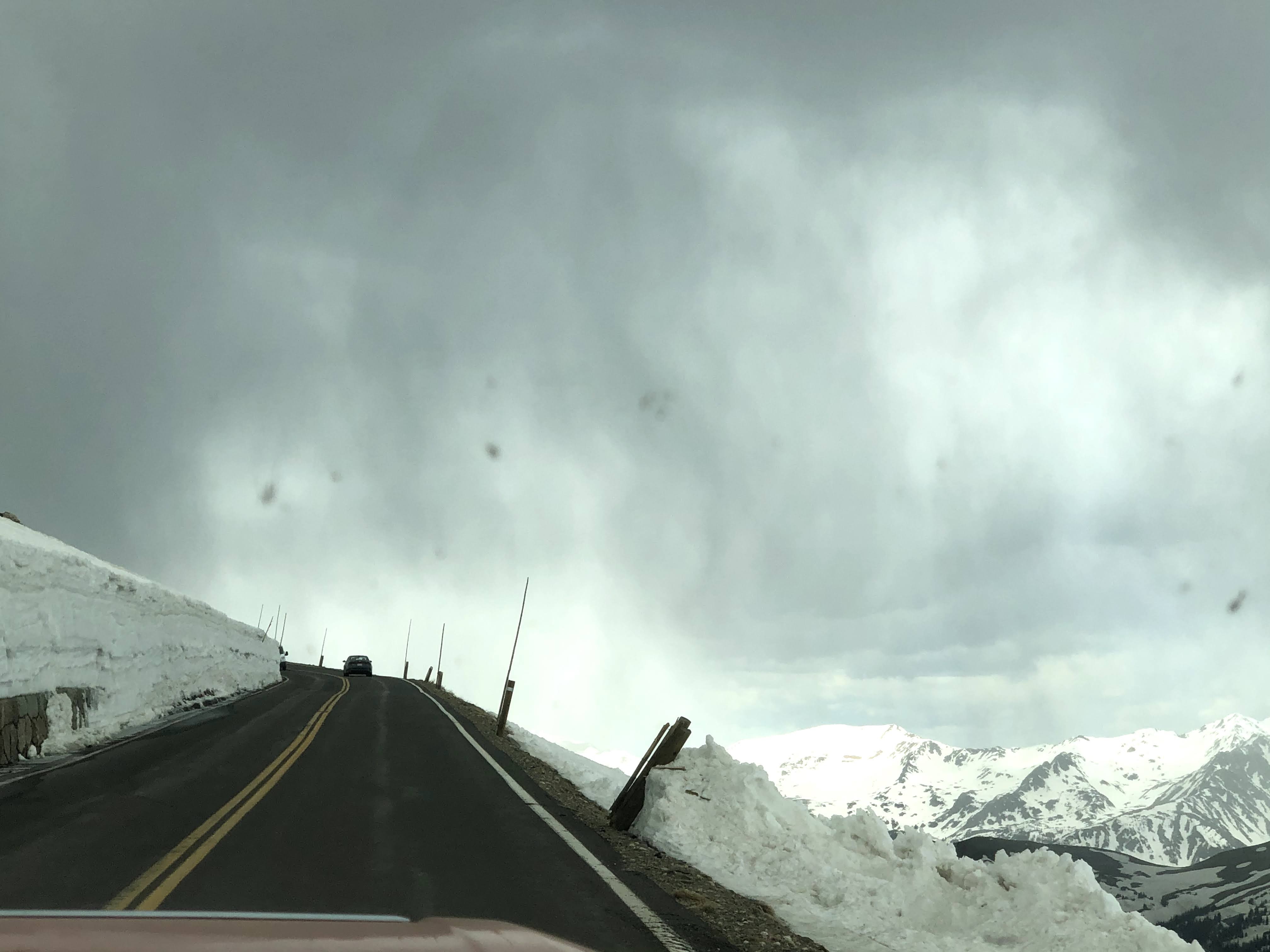
Our drive back “down” was exciting! We are driving on the edge of the world!

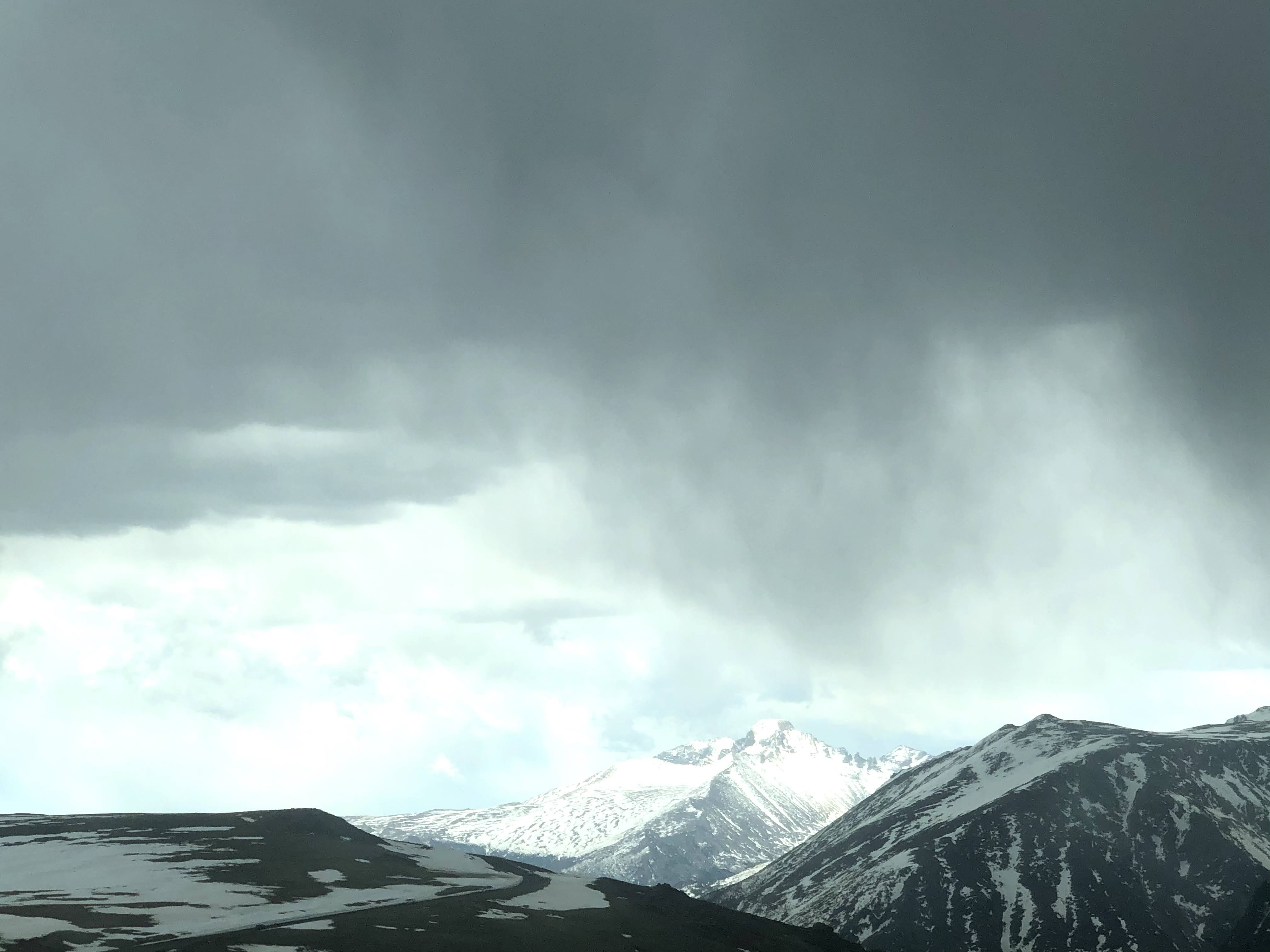
And then it started to snow!

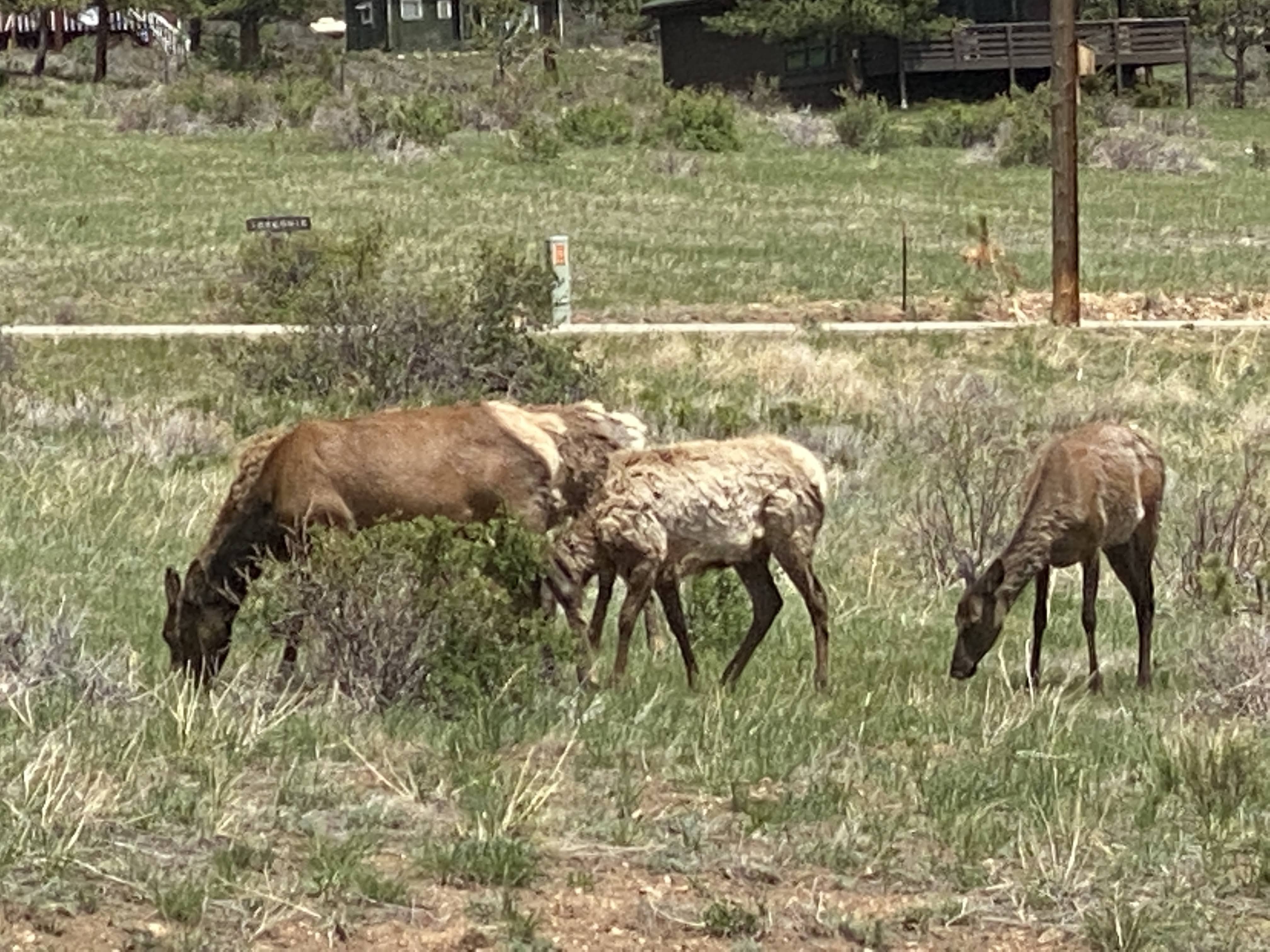
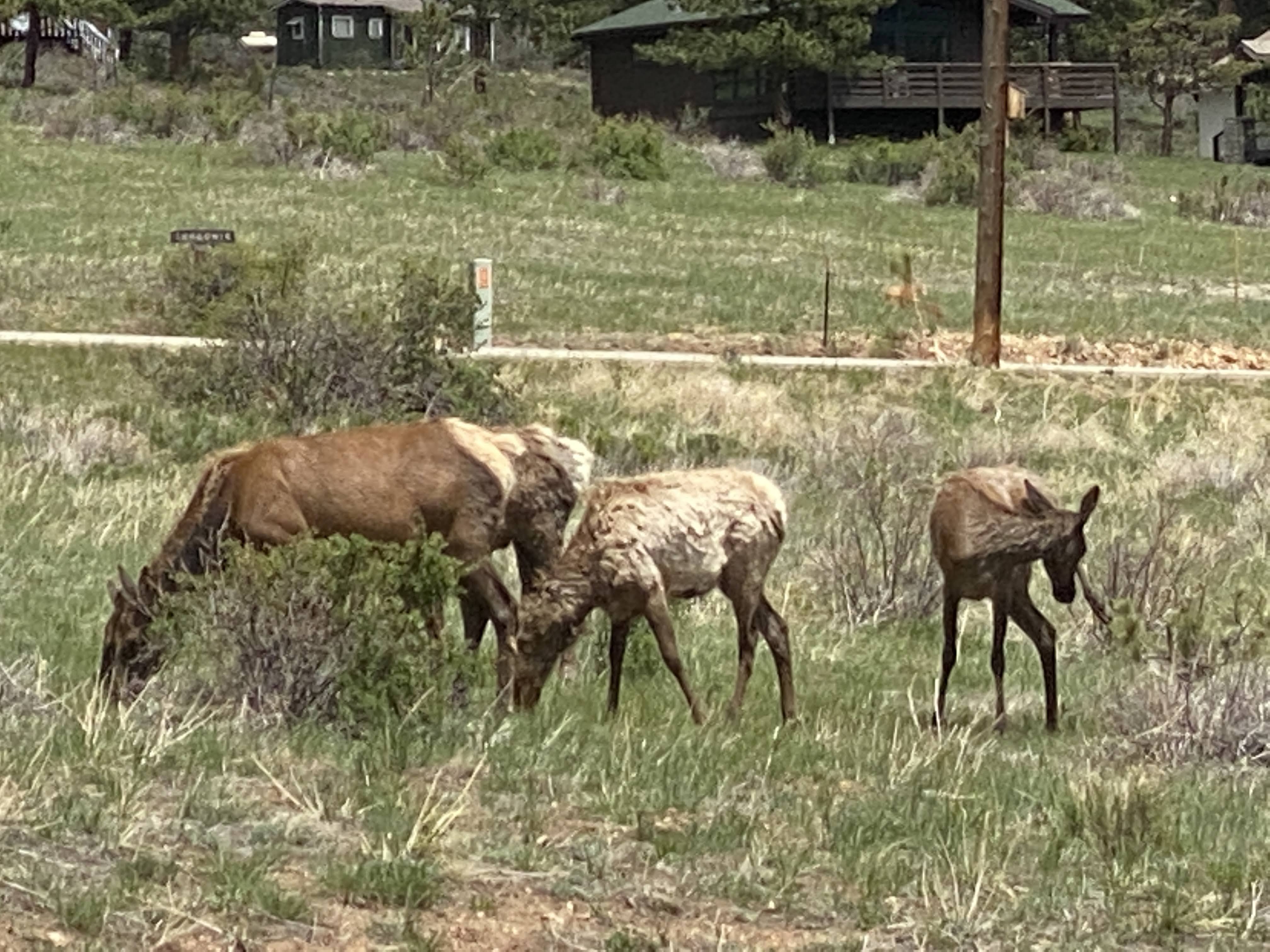
The rest of the drive down was uneventful. Near the park entrance we saw these funny looking animals…

We believe they are either mule deer or elk?

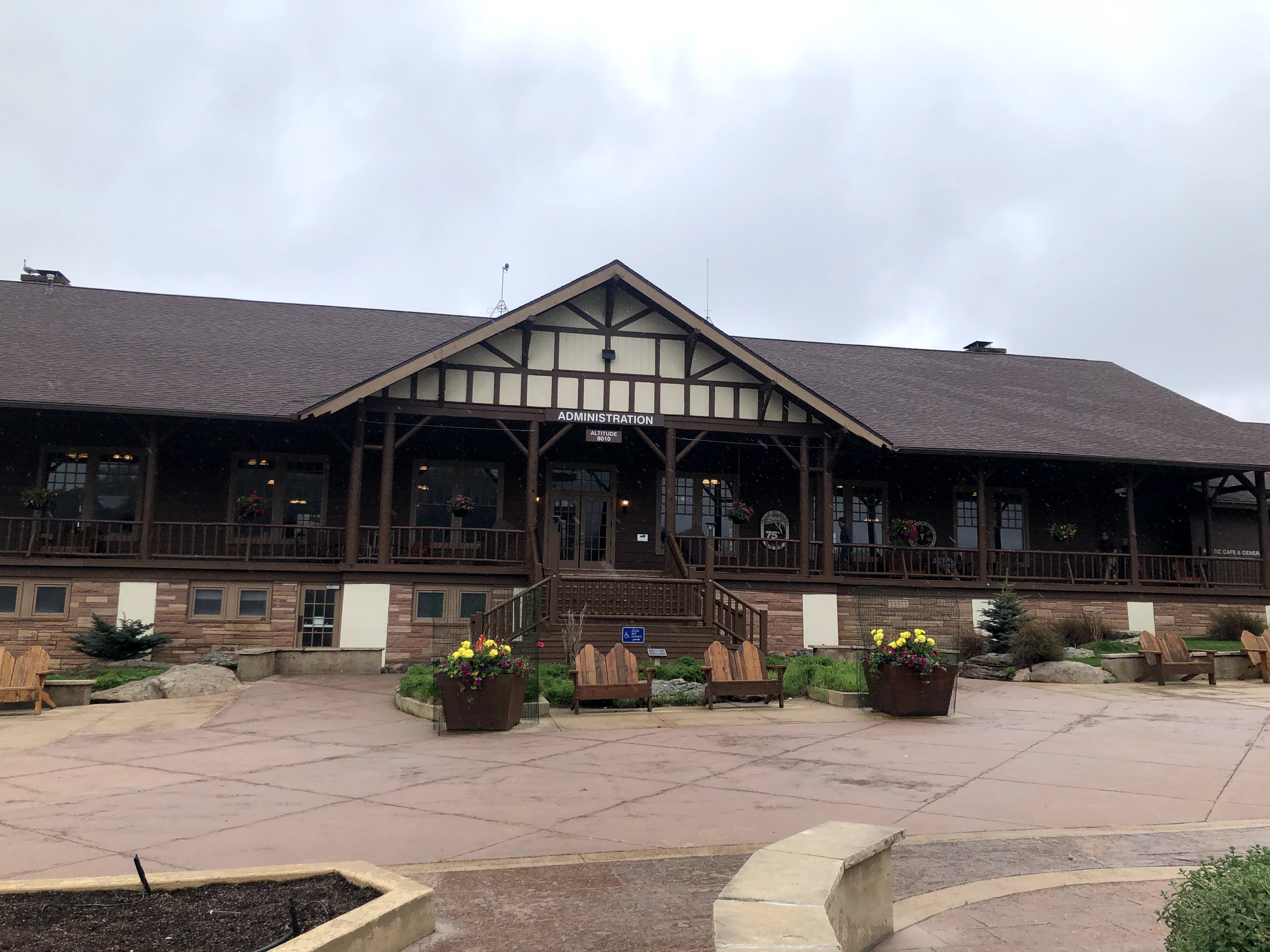
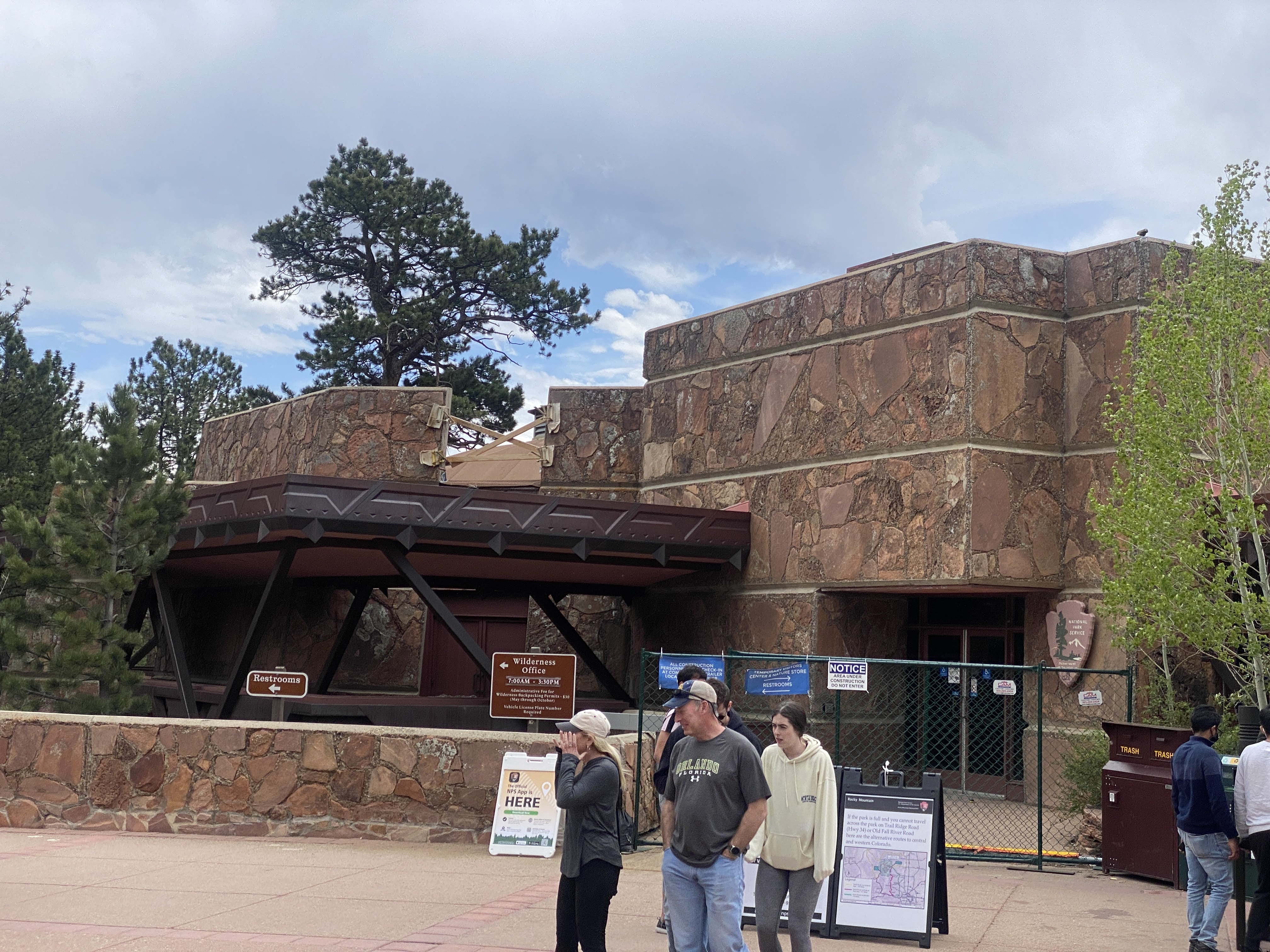
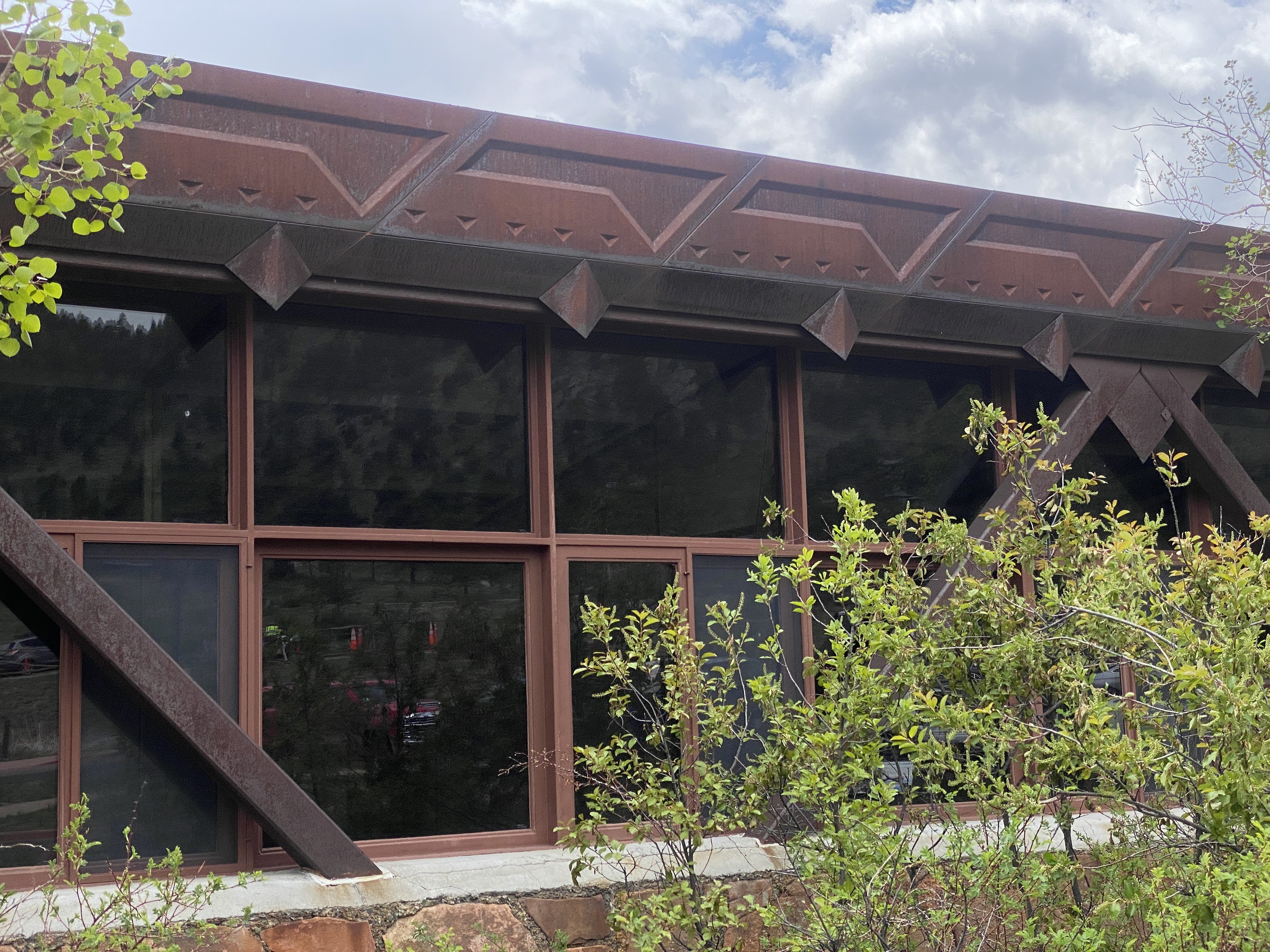
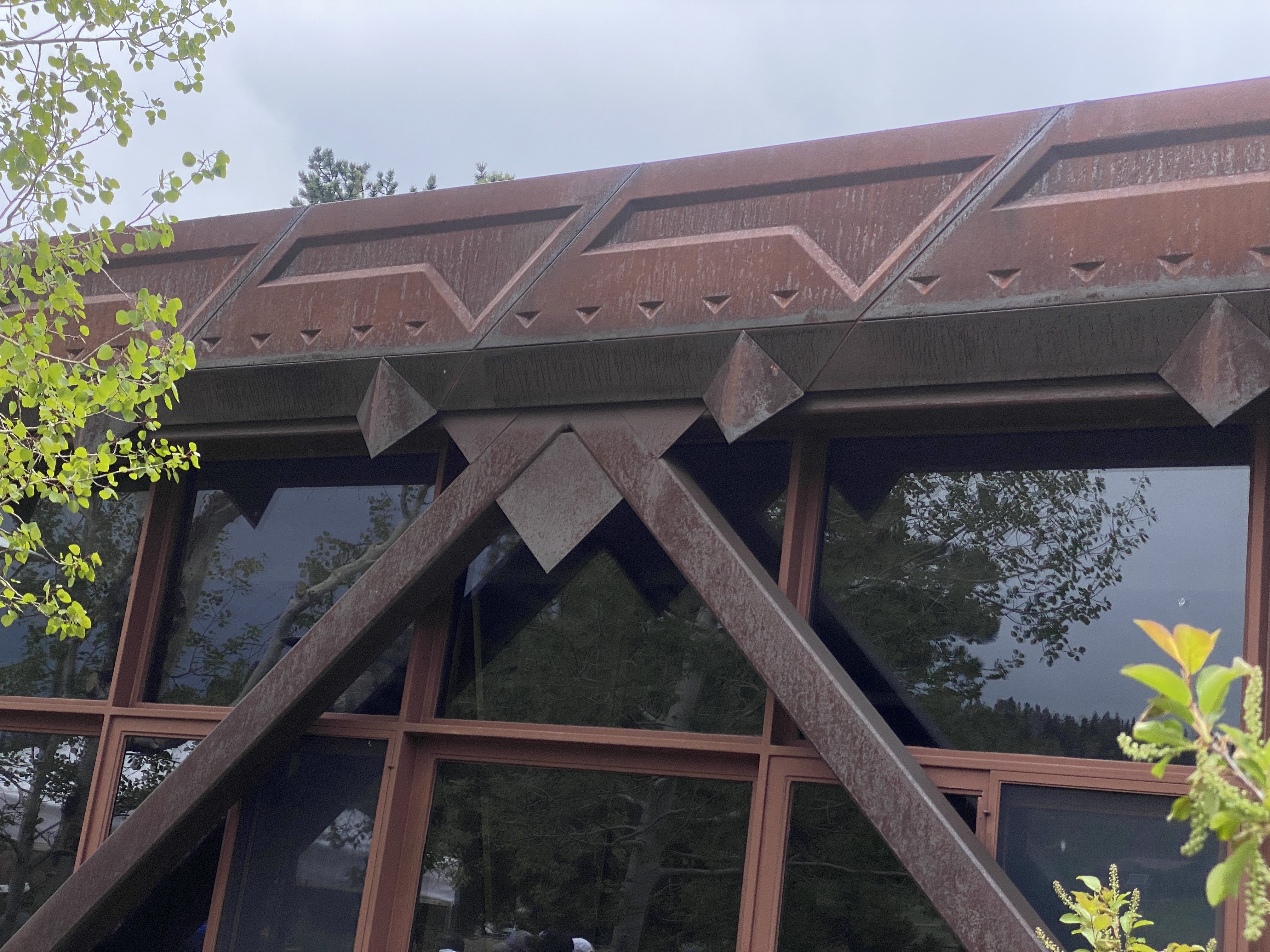
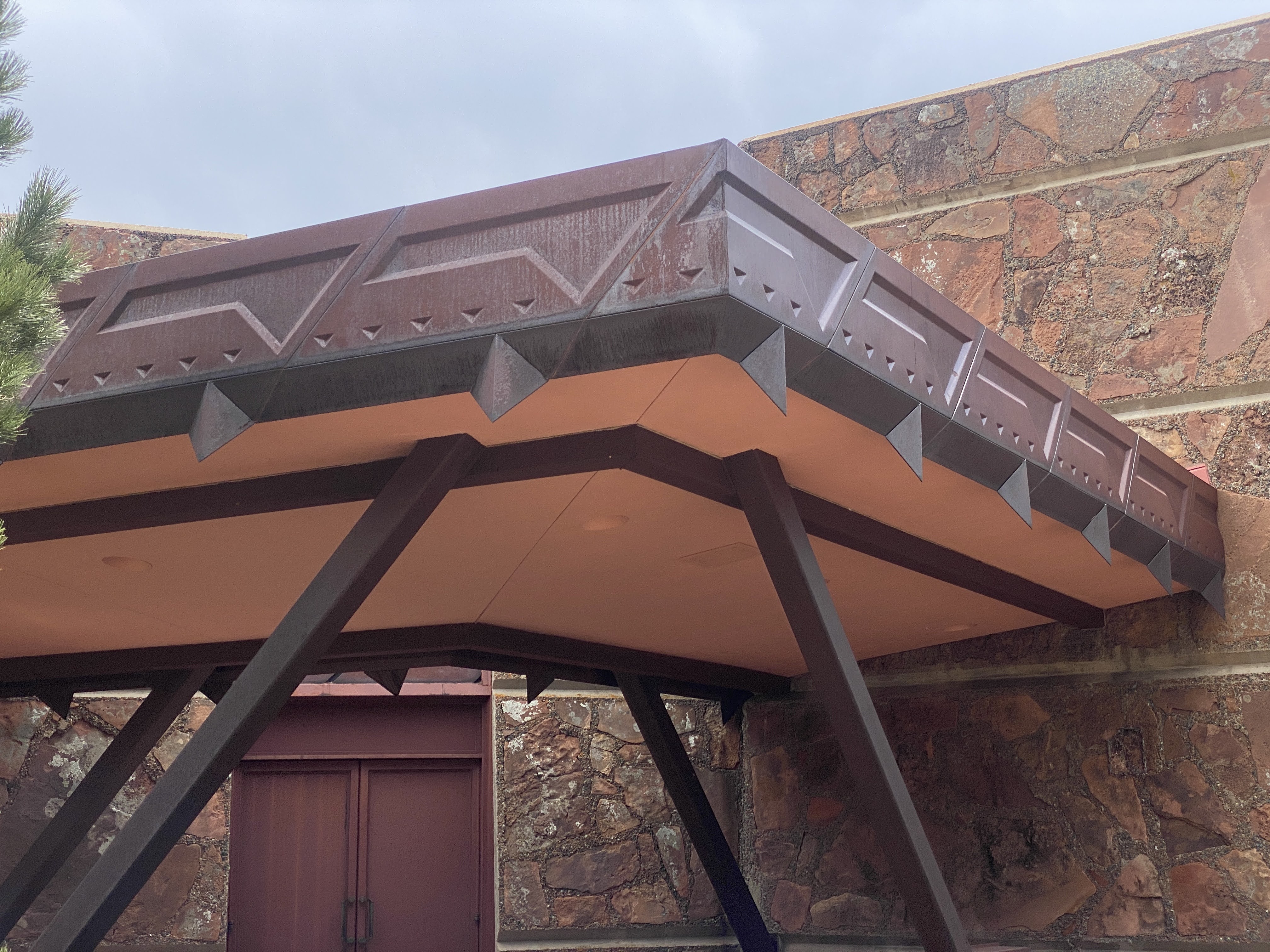
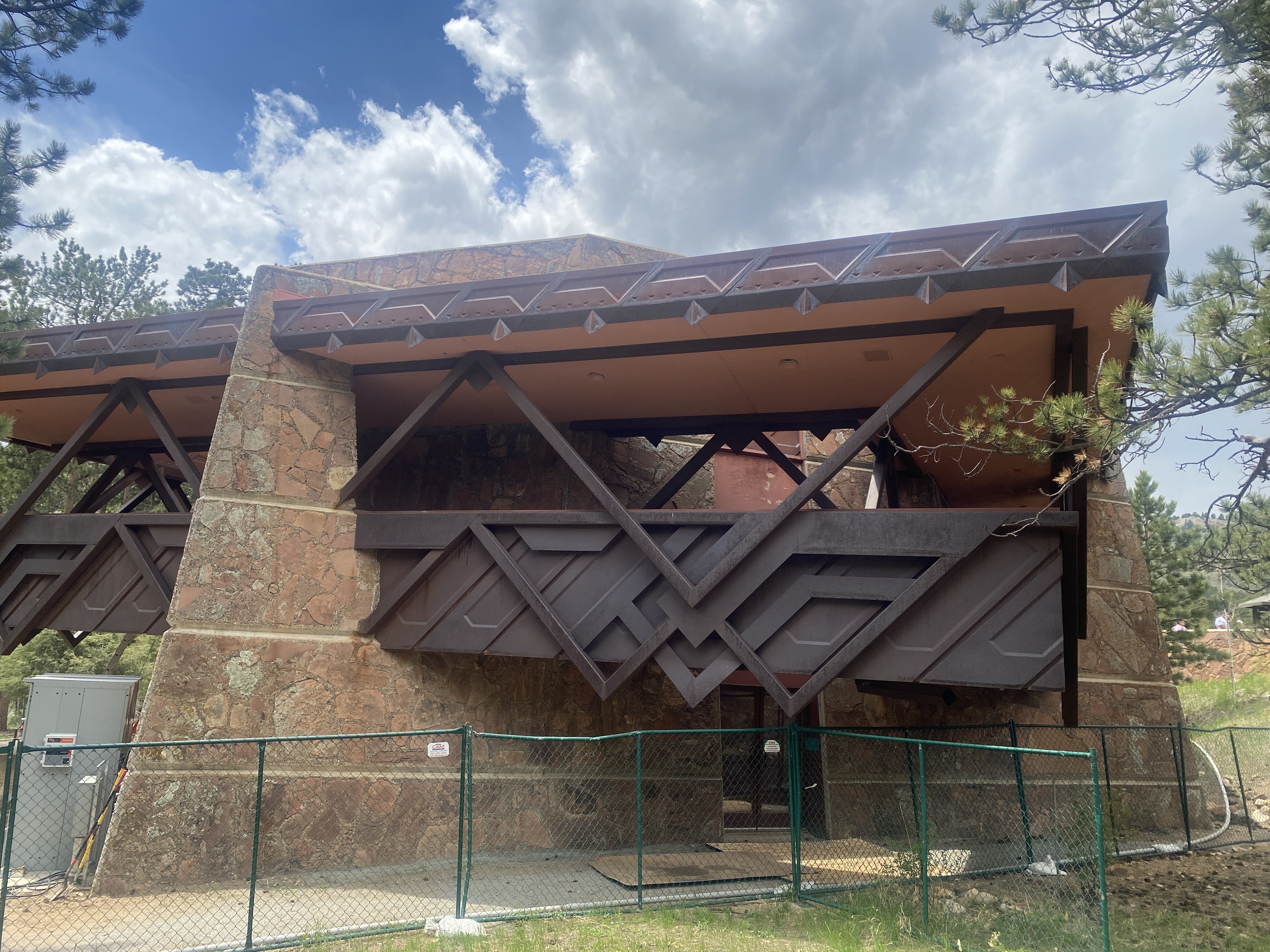
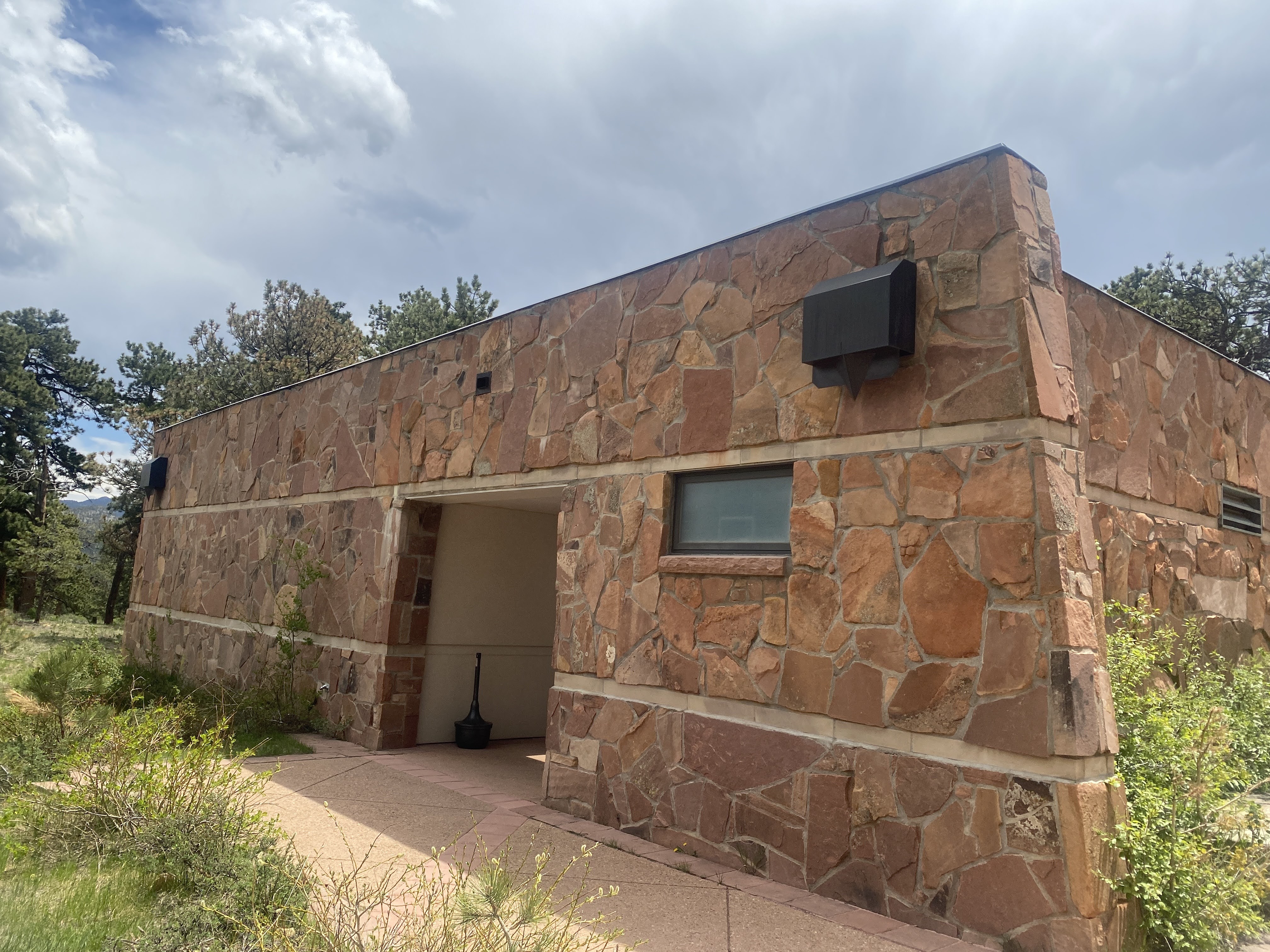
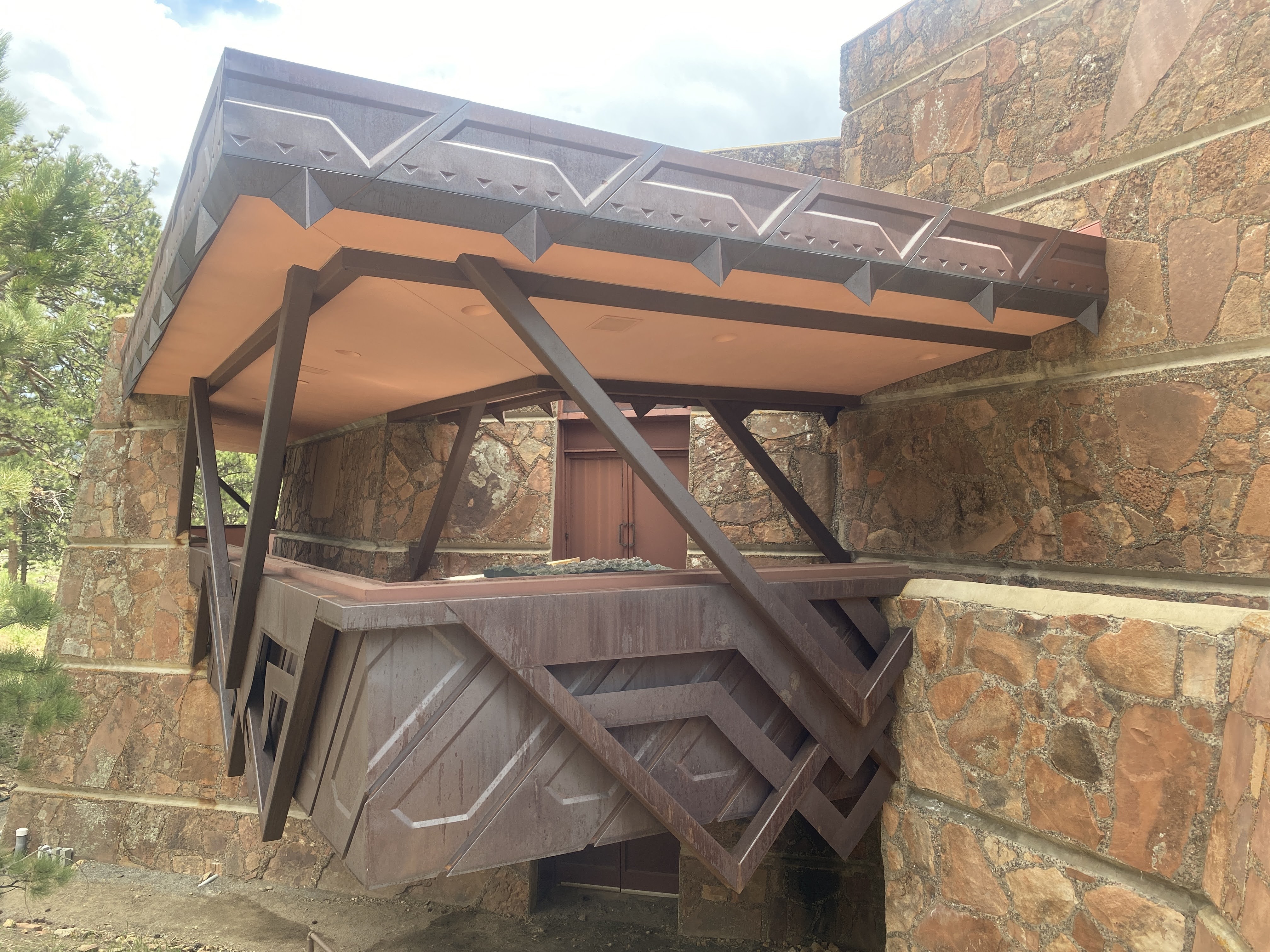
Quite serendipitously we stopped by the Beaver Meadows Visitor Center. I noticed the detailing…

Something seems familiar… I Googled it…

Beaver Meadows Visitor Center, also known as Rocky Mountain National Park Administration Building, is the park headquarters and principal visitors center of Rocky Mountain National Park. Completed in 1967, it was designed by Taliesin Associated Architects, and was one of the most significant commissions for that firm in the years immediately following the death of founder Frank Lloyd Wright. It was declared a National Historic Landmark in 2001.

Who knew!

So that concluded our time in Rocky Mountain National Park…

We had a drivers’ meeting to discuss our drive to Colorado Springs on Monday – Memorial Day. There are three pages of detailed driving instructions to travel the 145 mile route… Colorado roads must be amazing! (Apparently 20-30 miles of the 70 are under construction, so we are taking back roads…!

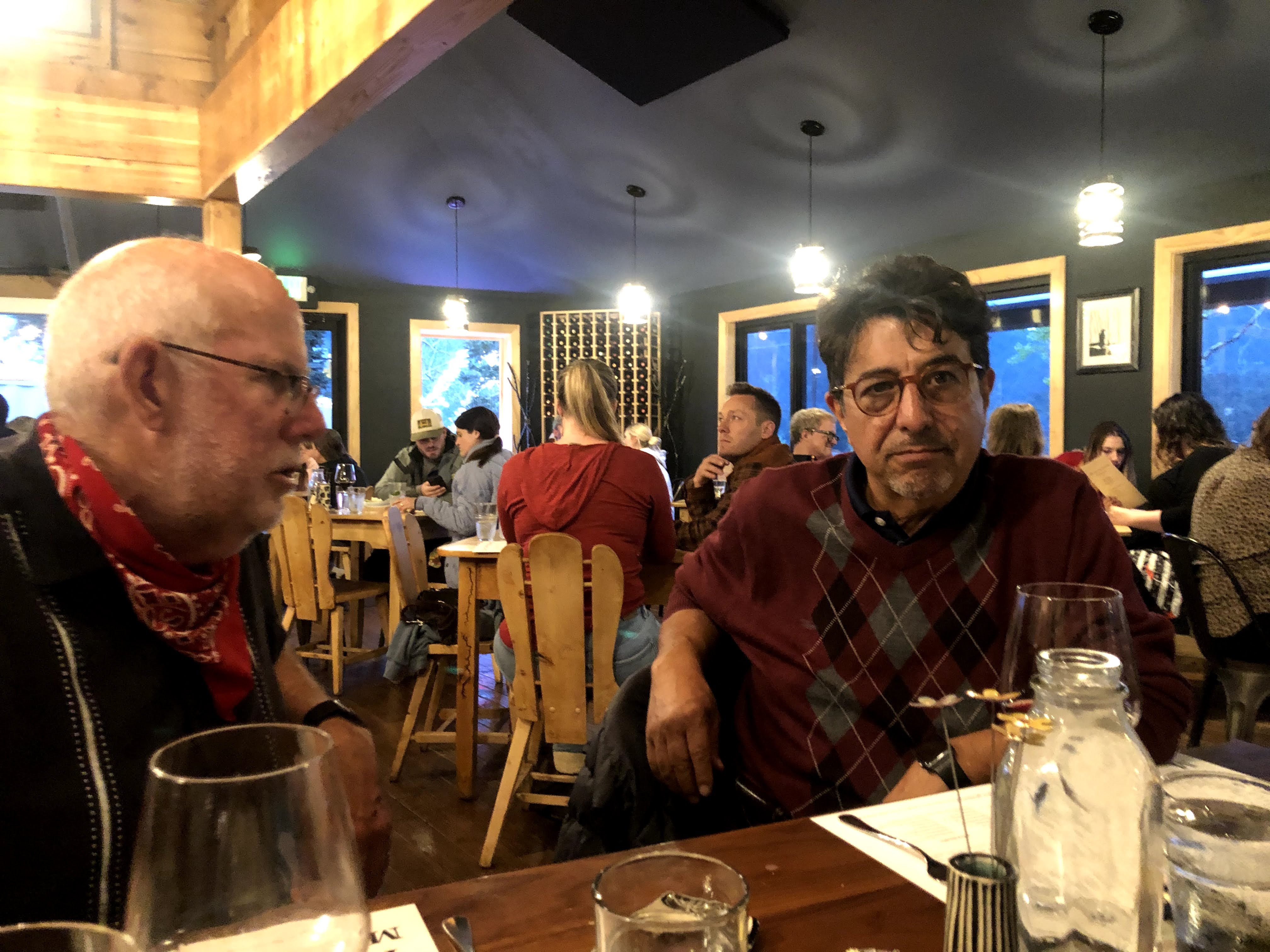
This evening, after the meeting, we returned to Bird and Jim, a local restaurant (“Colorado Cuisine”). This time we brought friends… We enjoyed craft cocktails, Smoked Pheasant Chowder, Short Rib Sliders, Colorado Trout, Beef Tenderloin, and something they called the “Carnivore Plate” – Elk Tenderloin, Lamb T-bone, and Wild Game Sausage. And a bottle or two of wine.

And an enjoyable time was had by all…

2021-05-28 – Springtime in the Rockies caravan… Estes Park, CO – Day 2 – Rocky Mountain National Park

Today we enter Rocky Mountain National Park.

Rocky Mountain National Park is located approximately 76 mi northwest of Denver in north-central Colorado, within the Front Range of the Rocky Mountains. The park is situated between the towns of Estes Park to the east and Grand Lake to the west. The eastern and western slopes of the Continental Divide run directly through the center of the park with the headwaters of the Colorado River located in the park’s northwestern region.[6] The main features of the park include mountains, alpine lakes and a wide variety of wildlife within various climates and environments, from wooded forests to mountain tundra.

The Rocky Mountain National Park Act was signed by President Woodrow Wilson on January 26, 1915, establishing the park boundaries and protecting the area for future generations.[3] The Civilian Conservation Corps built the main automobile route, Trail Ridge Road, in the 1930s.  In 1976, UNESCO designated the park as one of the first World Biosphere Reserves. In 2018, more than 4.5 million recreational visitors entered the park.  The park is one of the most visited in the National Park System, ranking as the third most visited national park in 2015.  In 2019, the park saw record attendance yet again with 4,678,804 visitors, a 44% increase since 2012.

The park has a total of five visitor centers, with park headquarters located at the Beaver Meadows Visitor Center—a National Historic Landmark designed by the Frank Lloyd Wright School of Architecture at Taliesin West. National Forest lands surround the park on all sides.

Today is the beginning of the summer season in the park. To control the crowds you must make a reservation to enter the park. We had procured a 9:00 am entrance time to go to Bear Lake, an alpine lake with a lovely walking/hiking path around it. We waited in three lines of cars for over 1/2 hour before we finally arrived at the entrance station.

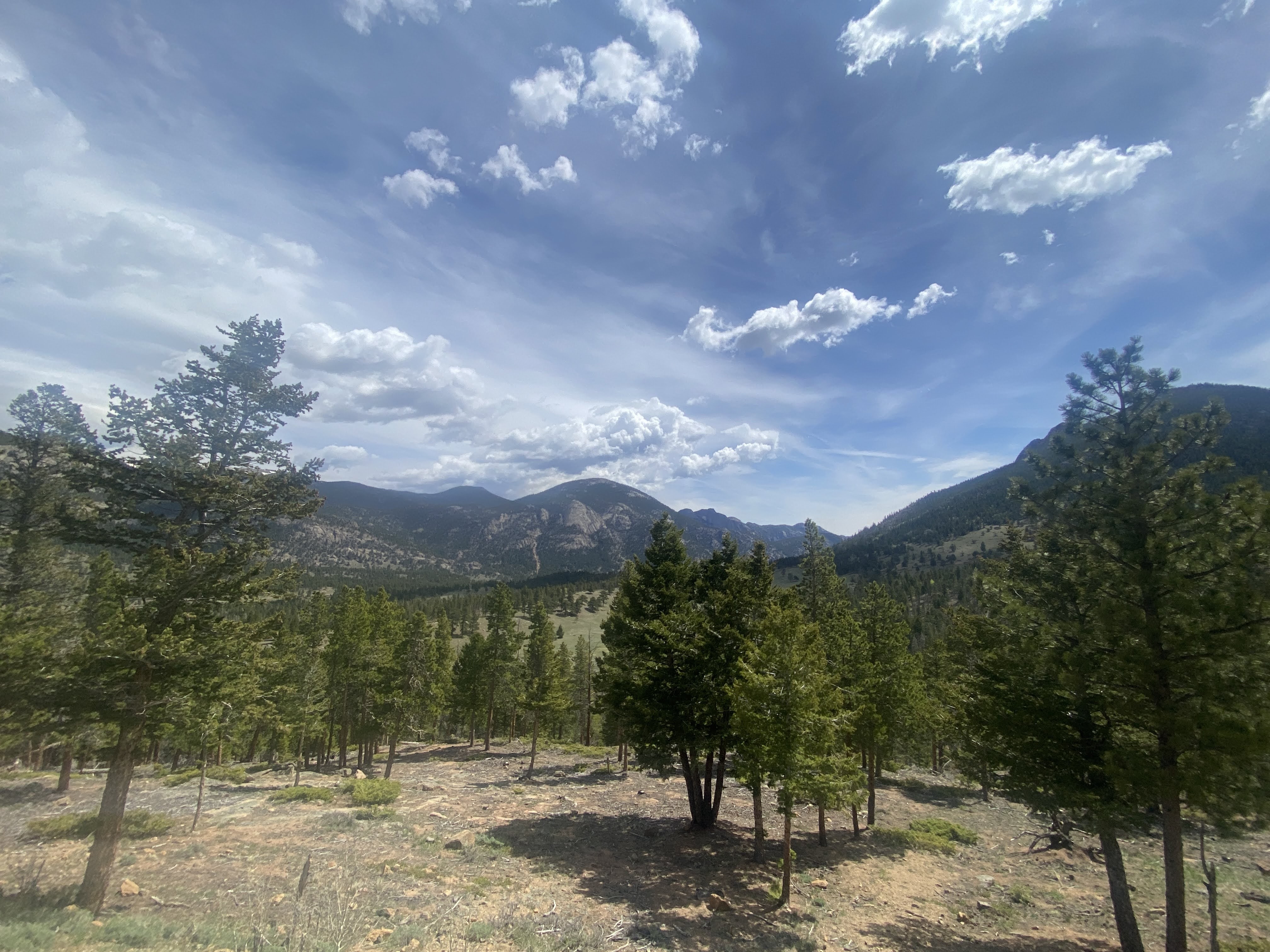
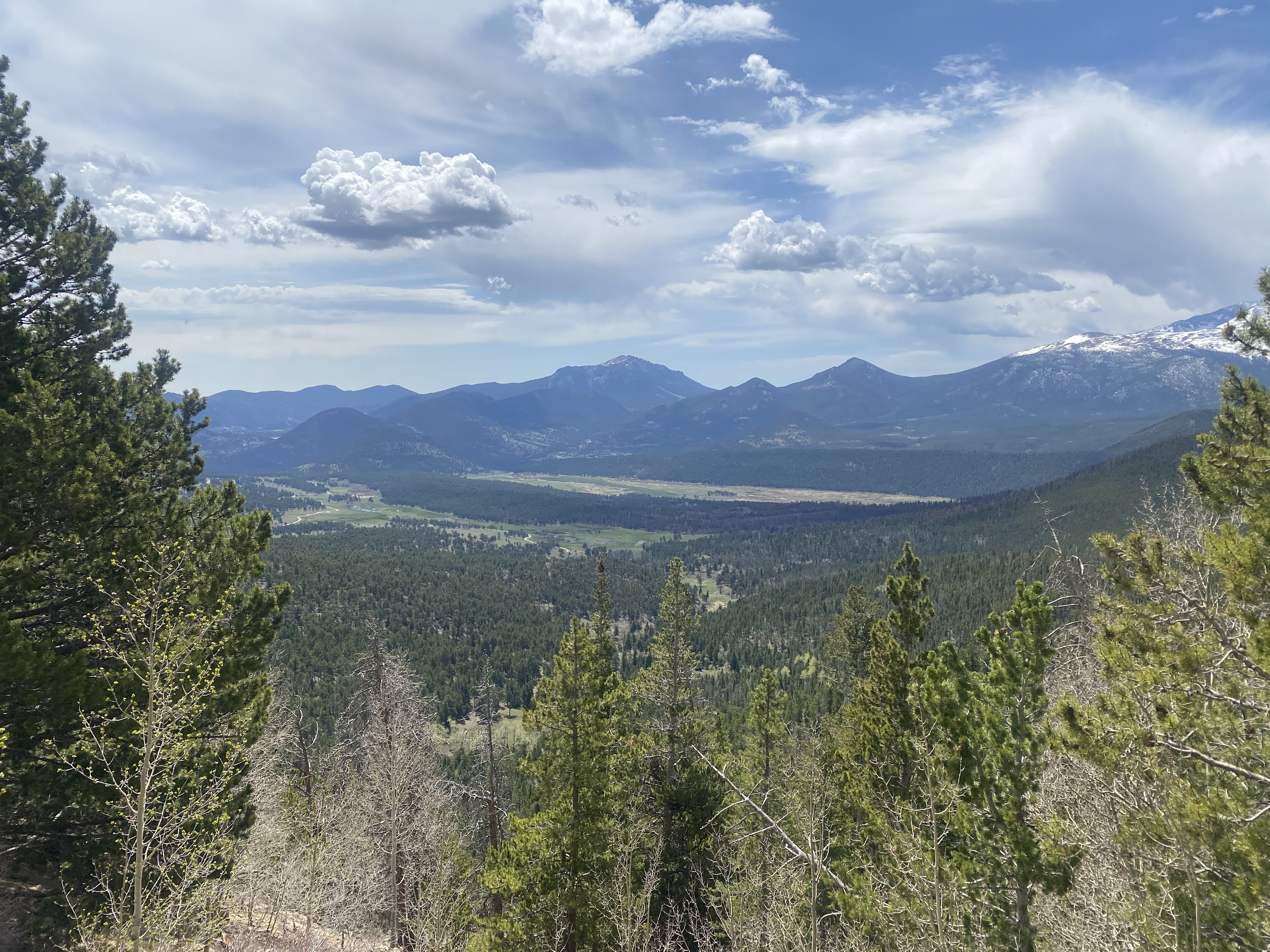
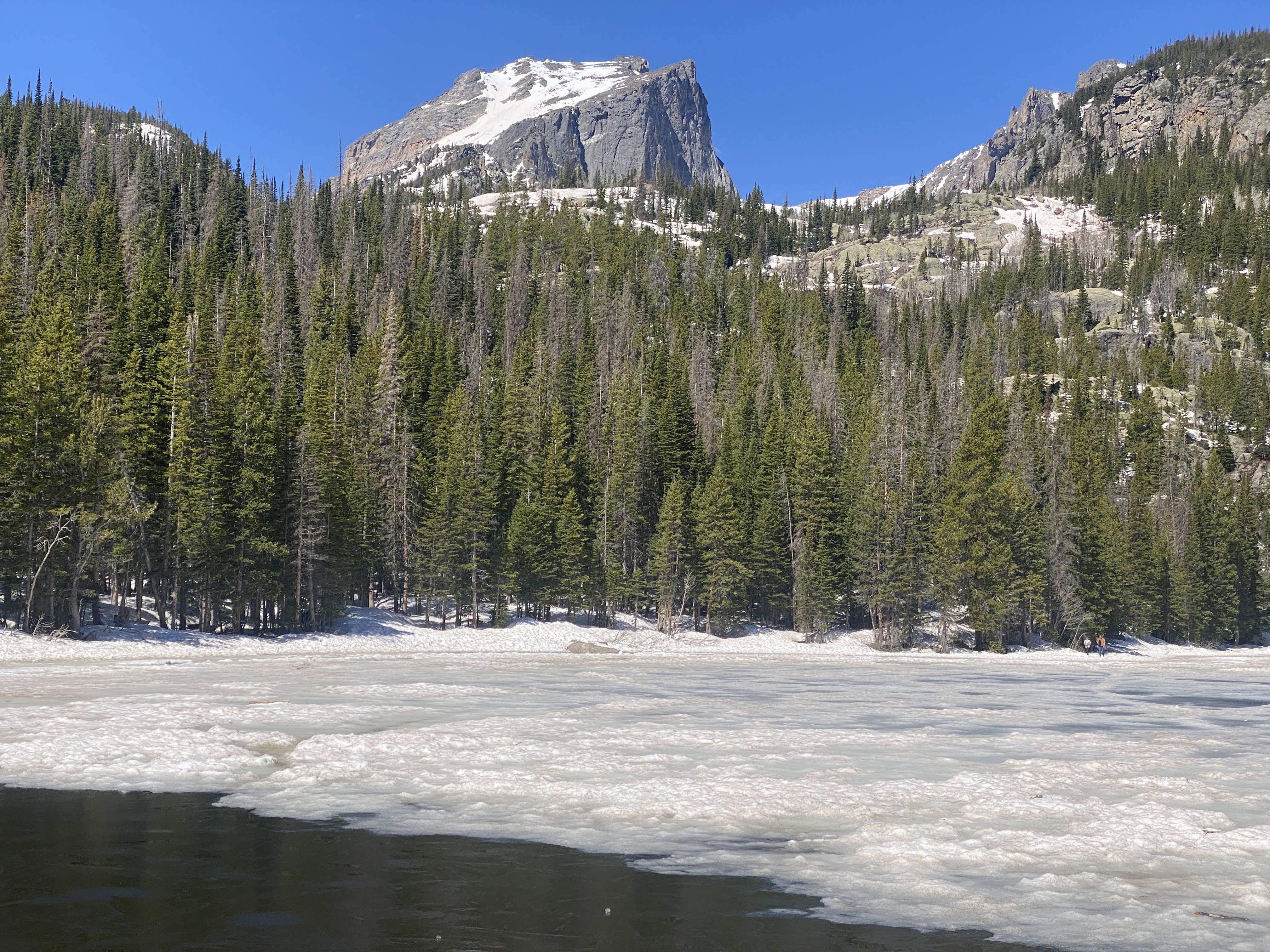
Once in the park we again saw these magnificent mountain peaks…

Once at Bear Lake we had friends take our picture… While the temperatures were in the mid-60s, the wind was freezing…

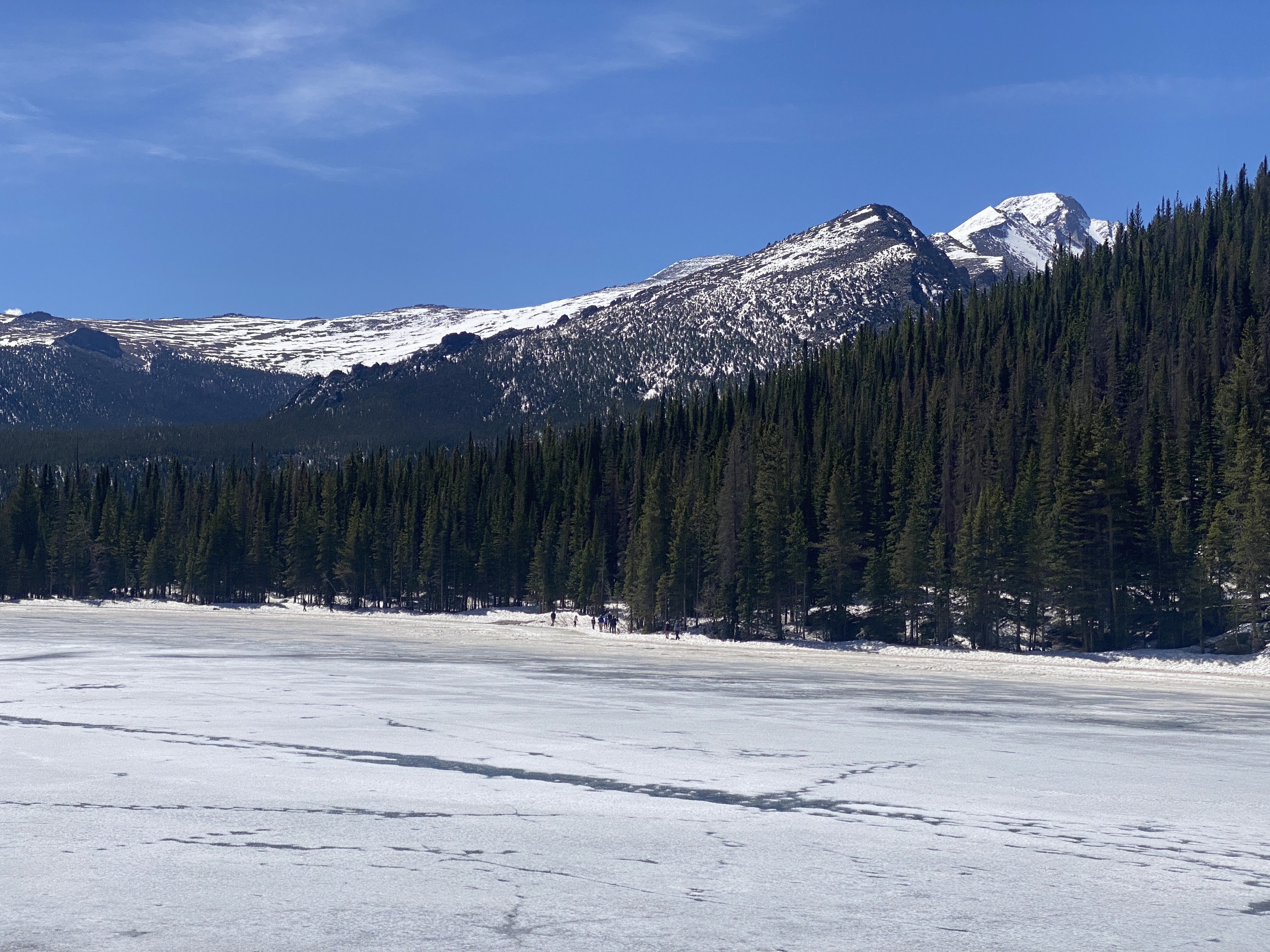
The lake is mostly frozen over. The path around the lake is mostly snow, slush, and ice, with rare patches of dirt, mud, and rocks.

This is what the path looked like most of the way around the lake:

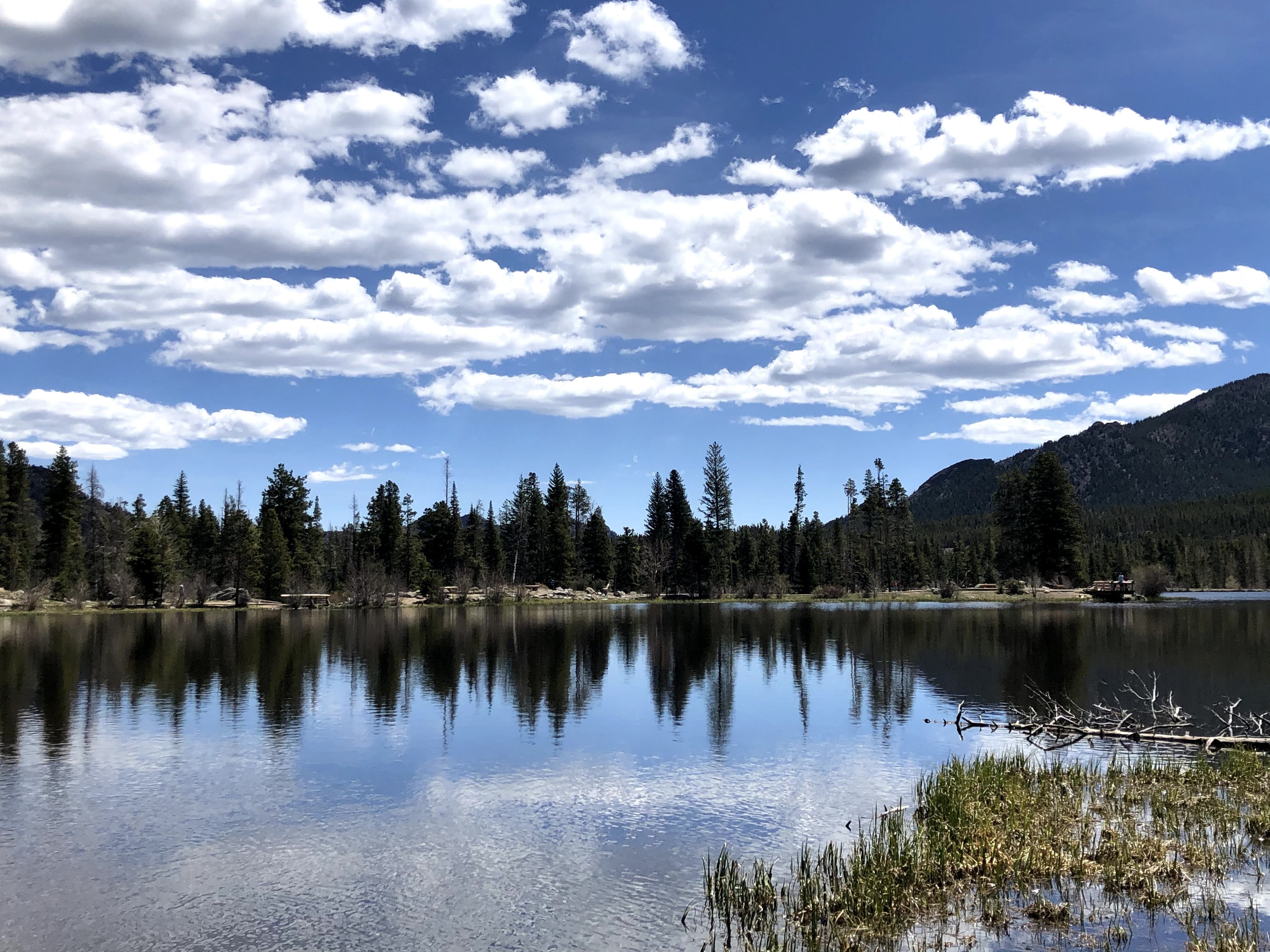
After completing the Bear Lake loop we drove a short way to Sprague Lake; this is Glacier Creek, which feeds into the lake.:

Spraugue Lake is named after Abner Sprague, one of the original settlers in the Estes Park area. Sprague built a homestead in Moraine Park in 1874 that eventually grew into a hunting and fishing lodge and dude ranch. He dammed the creek to create the lake so his guests could enjoy fishing and boating. The lodge operated from 1910 to 1940, preceding the actual National Park.

We enjoyed watching the ducks dive for food…

The lake offered great views all around. It was an easy 3/4 mile, with no ice and snow underfoot…

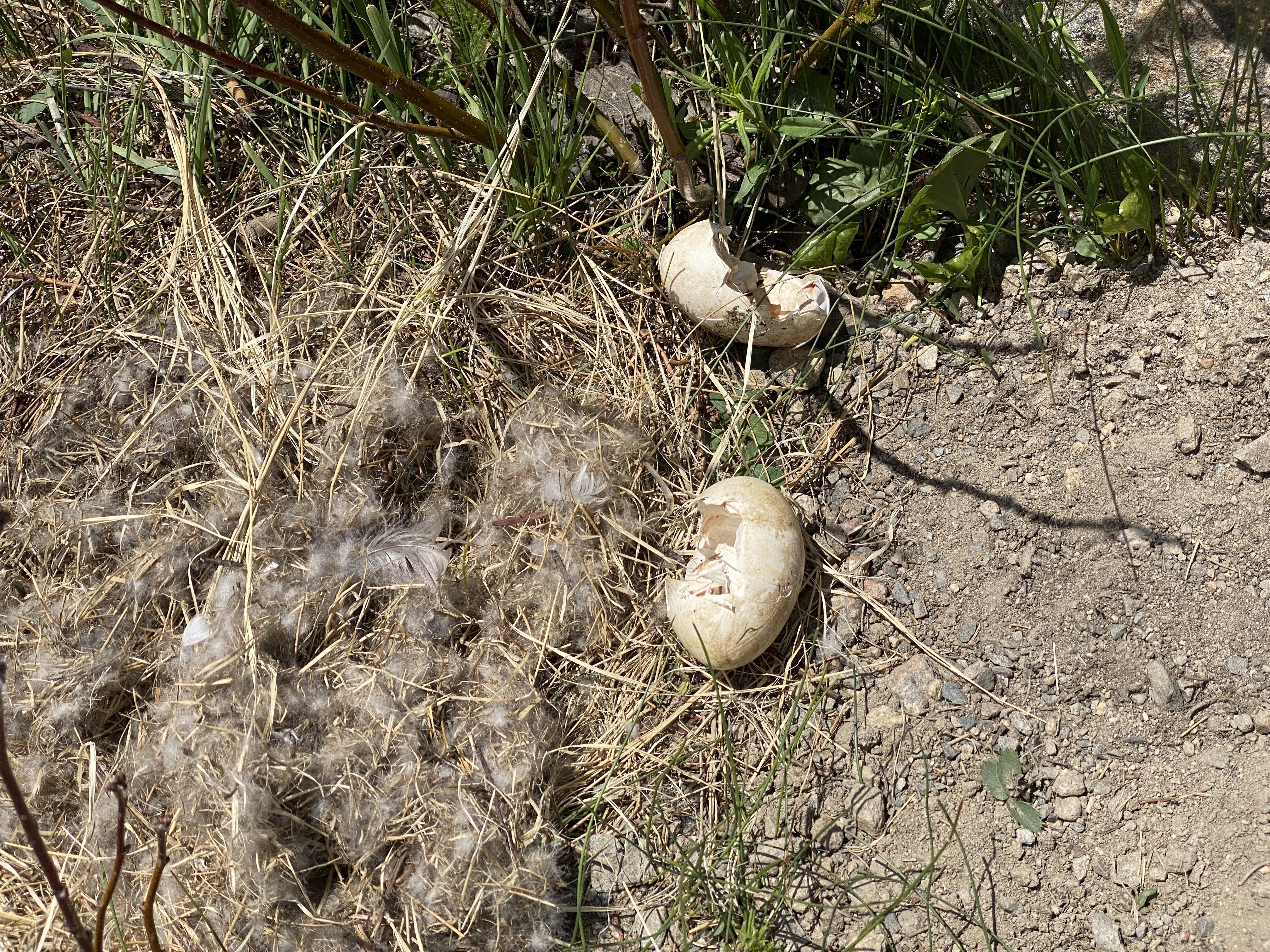
We don’t know what animal hatched out of these eggs… Maybe Elk? Moose?

After our time in the Park it was time for lunch! Bird and Jim’s serves “Colorado Cuisine”. Local ingredients, and creative recipes. We enjoyed a Smoked Pheasant Chowder and Short Rib Sliders…

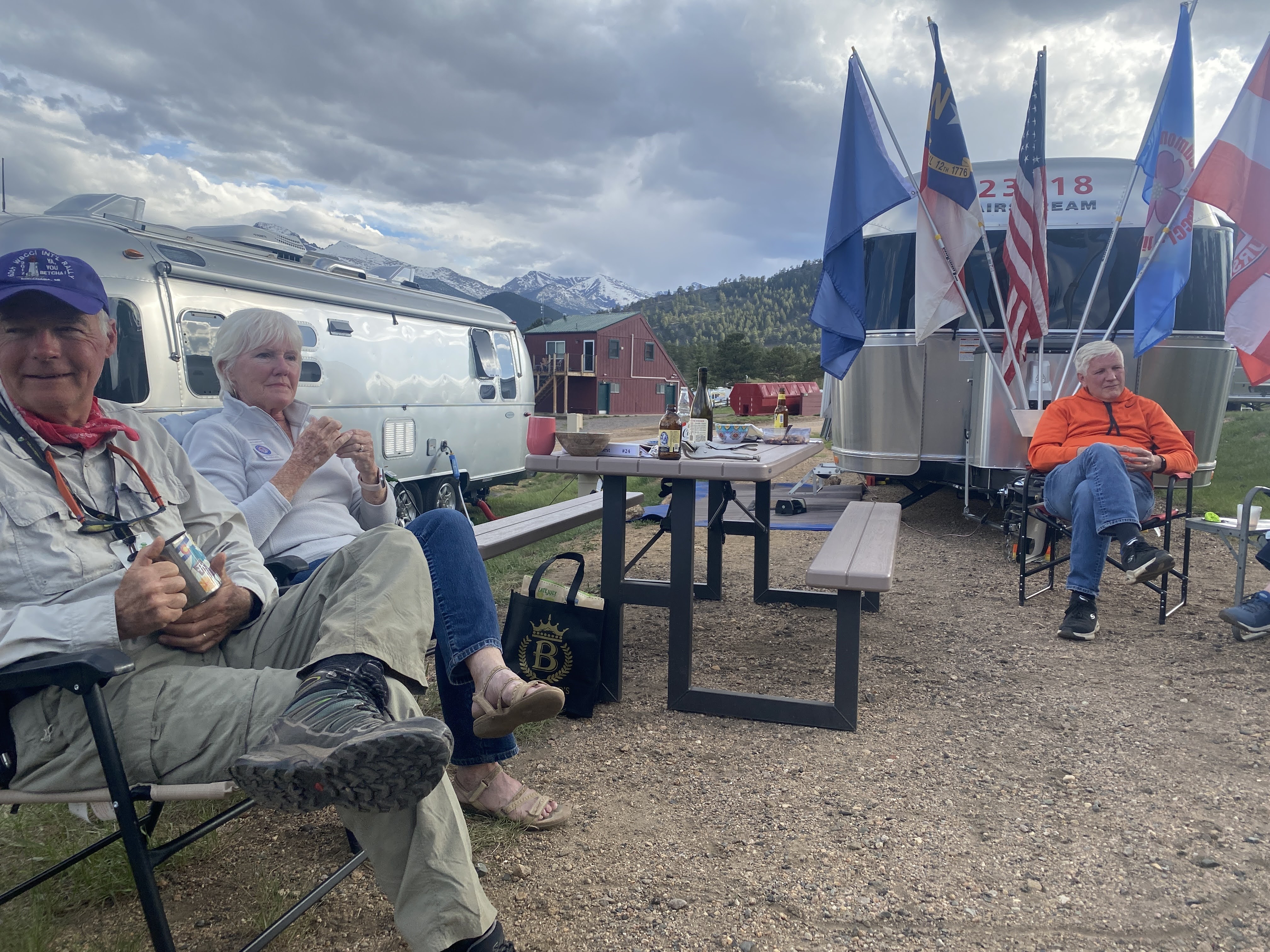
After lunch came a nap; then we had our first GAM – a “Get Acquainted Meeting”. We will have five of these, giving us all an opportunity to get to know each other even better…

After the GAM we walked around the pond, and returned to the Villa.

And an enjoyable time was had by all…

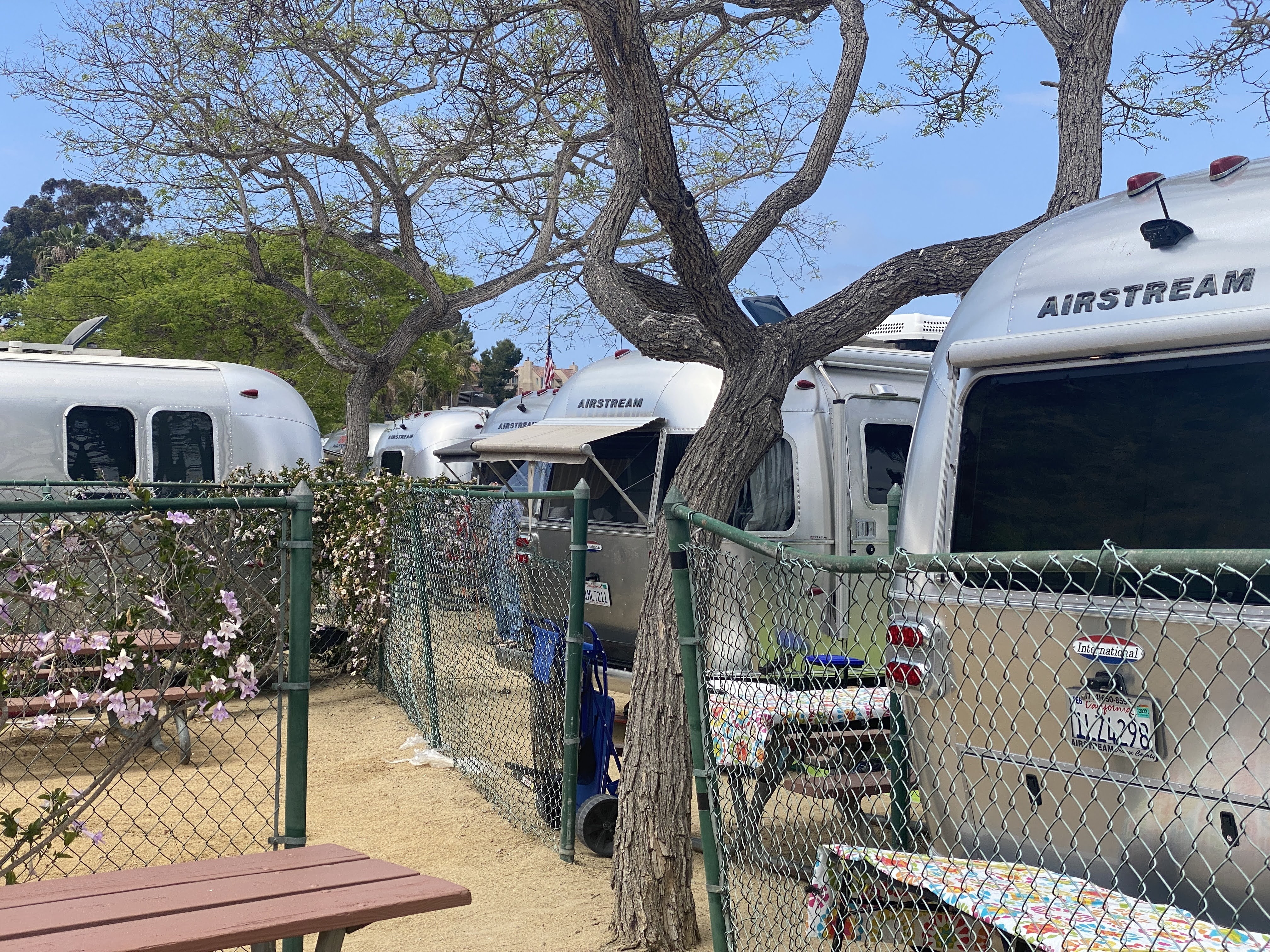
2021-04-29 – 05-03: Airstream Club Rally – Newport Dunes RV Resort…

Thursday: Newport Dunes is a beautiful resort on the Back Bay of Newport Beach. We arrived a little before 1:00pm and we were quickly in our site. I did all the set-up, then I left to visit my optometrist in Irvine. I was picking up a new set of glasses and having my sun glasses clips adjusted to the new frames (which are identical to my old frames…). It was a quick errand, and I was back in the resort well before happy hours…

There are about 10 Airstreams here today, with 10-15 more coming on Friday, the official start of the rally. Tonight we have reservations at Bayside, one of my favorite Newport Beach restaurants. Back in the olden days (2002-2009) I came to Bayside for lunch 2-3 days per week, always bringing an employee. I sat at the same table with the same waiter… It is the kind of restaurant I would come to every day if I lived in the neighborhood. (And, if I lived in the neighborhood, obviously, I would be able to afford it…) We are able to walk from the resort…

We had a great dinner with another Airstream couple that we did not know well. It was a great way to make new friends.

Friday dawned bright and sunny and warm – unusually warm for Newport Beach… Lynda went window shopping on Balboa Island with an Airstream friend. She found a cute sundress for our upcoming vacation in the desert…! I, in the mean time, strolled the park and walked around the back bay. Happy Hours were at another Airstream across the way, where we were able to catch up with friends we had not seen in over a year!

Saturday: We had an easy morning… at about noon, we walked the mile or so to Fashion Island, a giant shopping center catering to the Newport Beach crowd. We didn’t see anything we had to have, so we returned empty handed. But we got in a great walk. Saturday evening we shared some happy hours and great wines (Ridge MonteBello and Aubert) with Airstream friends. The club provided a great Cinco de Mayo dinner of tacos, rice, beans, and churros – perfect!

Sunday was overcast, windy and cool. We walked over to Balboa Island and circumnavigated it. It is always a very pleasant walk! Happy Hours were at our Airstream, sharing with Airstream friends old and new.

Monday was our last day. We hitched up and headed for home, arriving about 12:30. And an enjoyable time was had by all…

2019-05-16 – Airstream Caravan Travels – Springtime in Kentucky; Final Banquet, Berea, KY – Day #22 – the Caravan ends, and the Wedding Trip begins

Easy morning today.  We made last minute preparations for our upcoming travel; we hitched up the Villa, and headed to Berea…

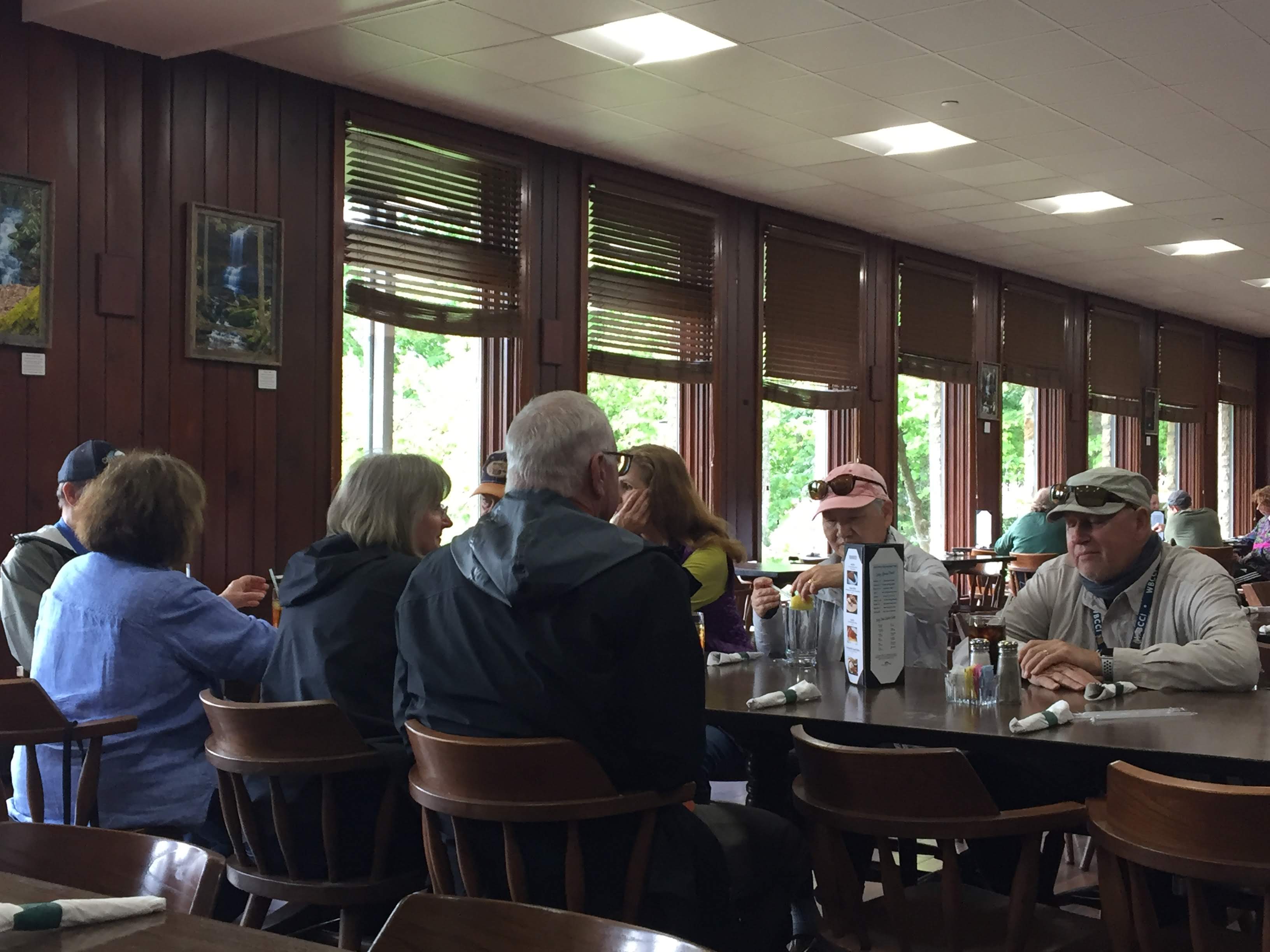
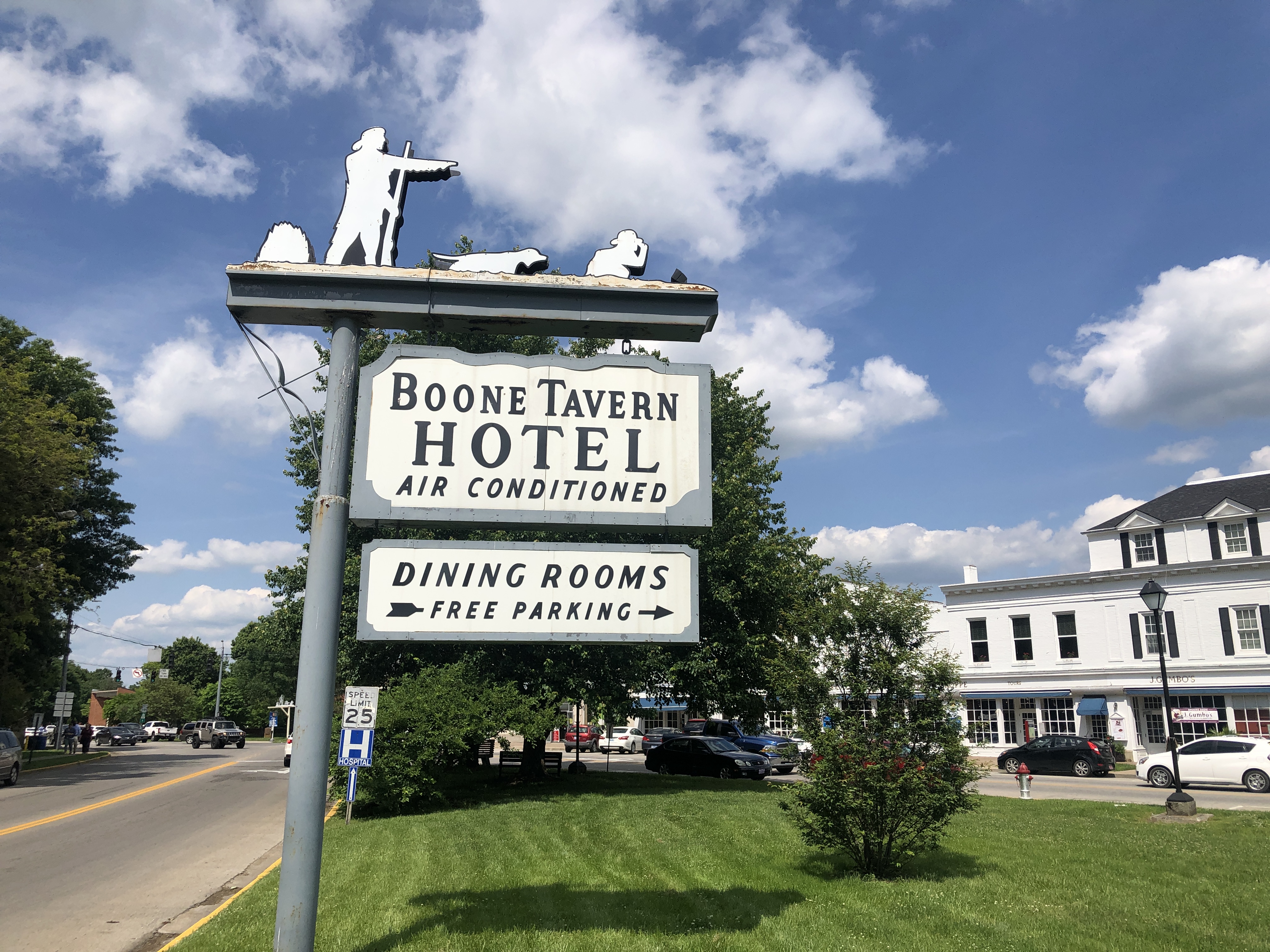
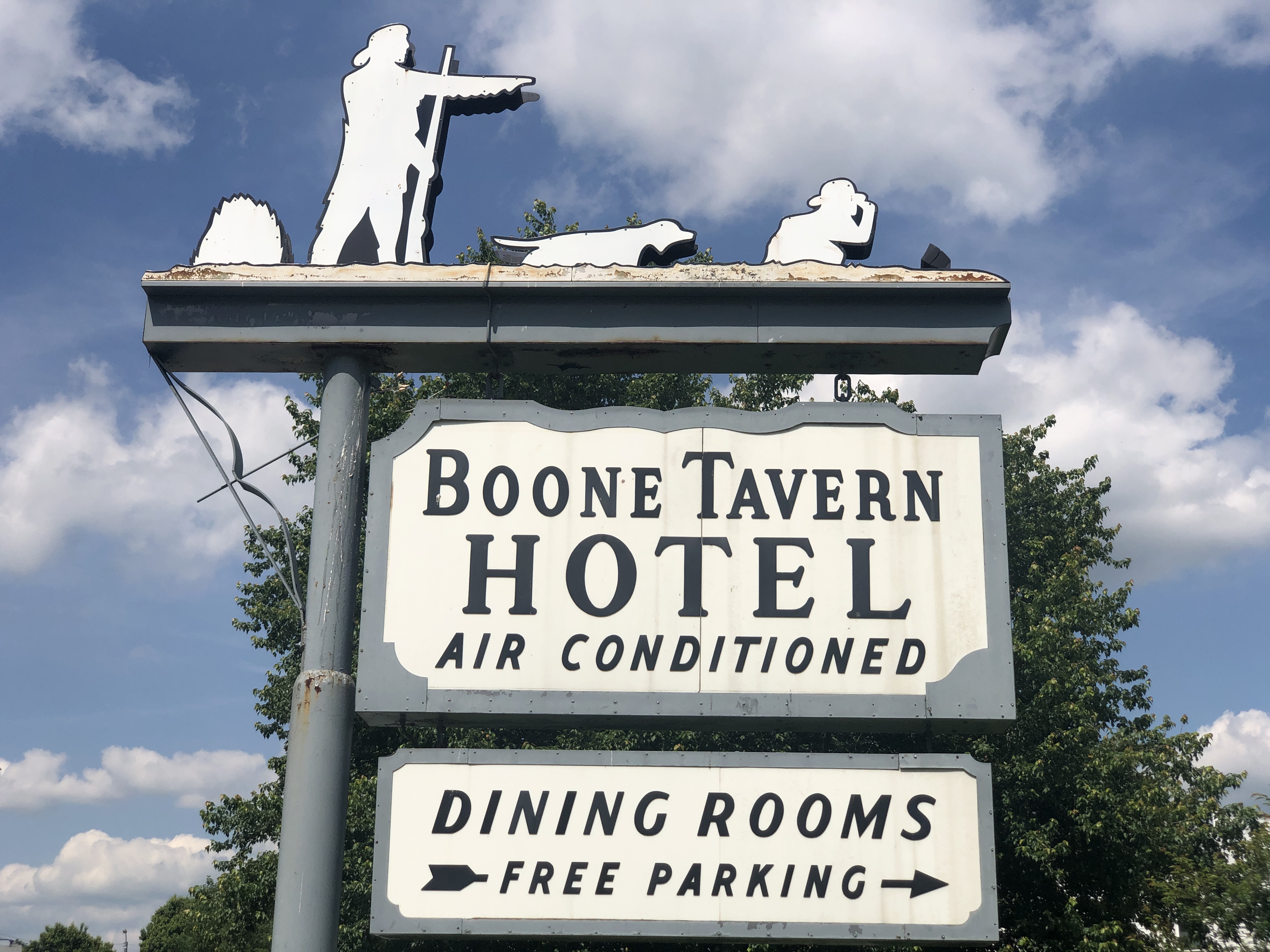
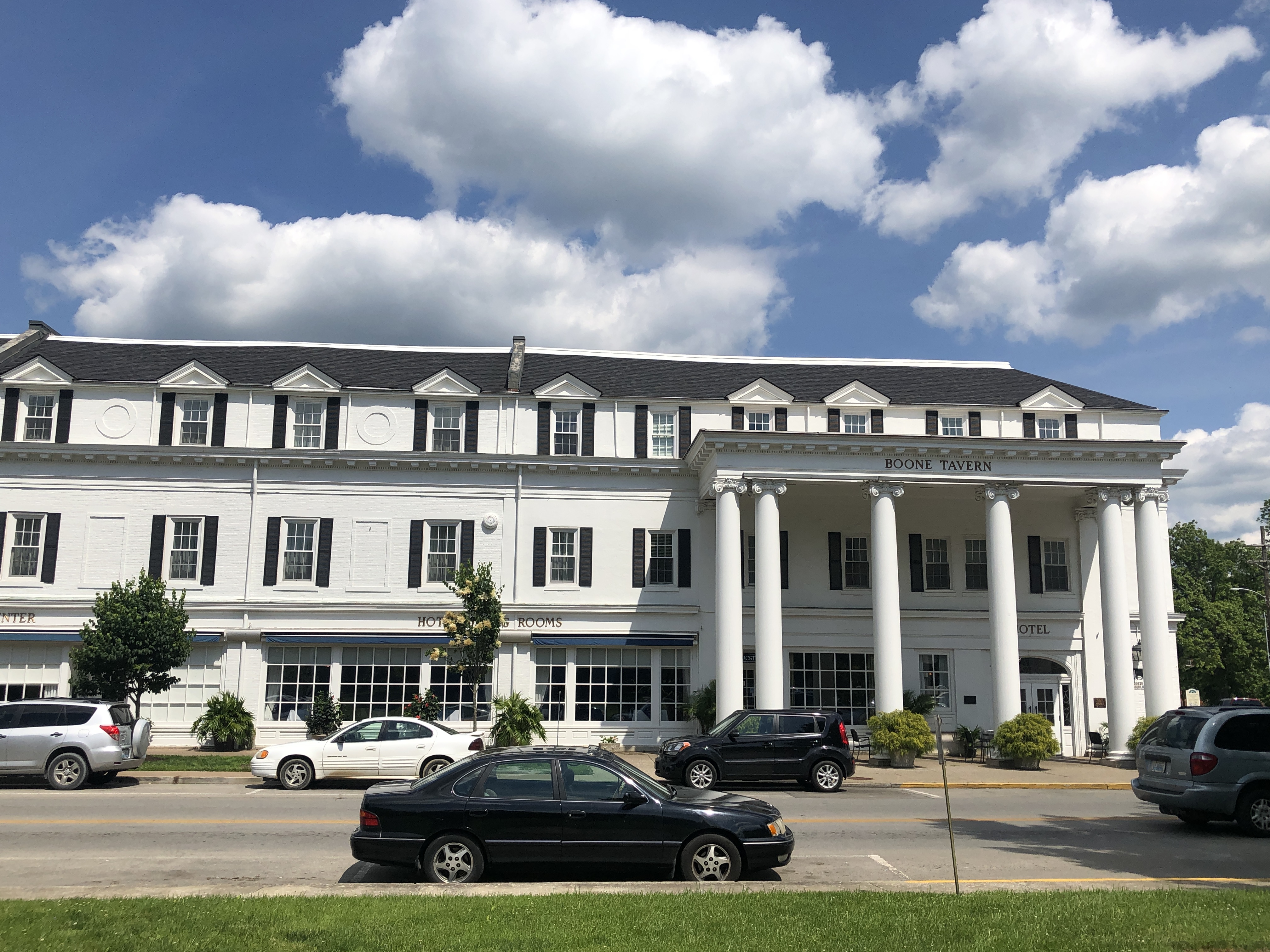
We parked the Villa at the historic Boone Tavern, which isn’t really a tavern, but a very nice, modern hotel.  It is owned and operated by Berea College, and is staffed mostly by Berea students…

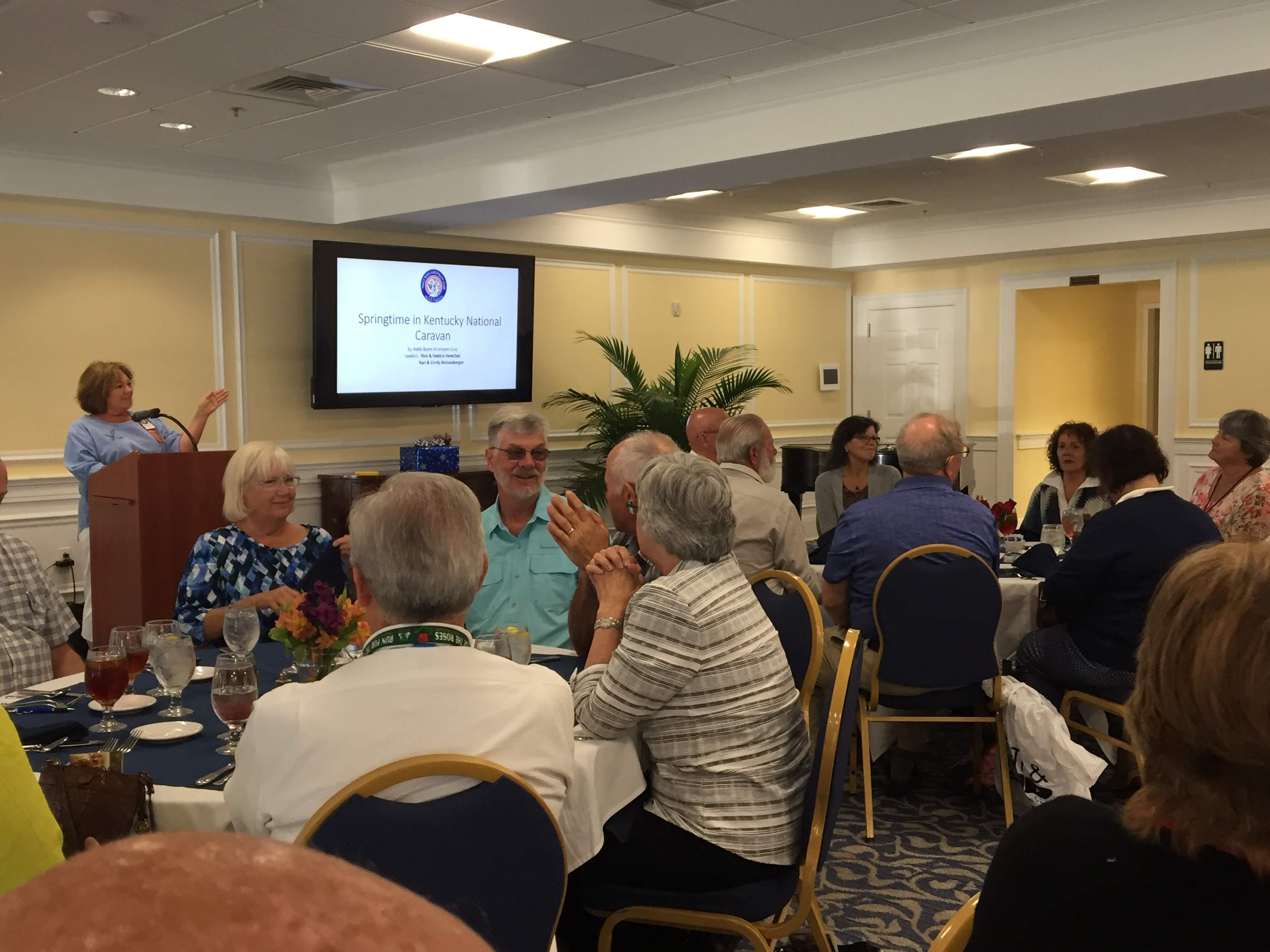
We were having our “Final Banquet”, a time to remember our good times, to have a little entertainment, and to say farewell to our new old friends…

img_8860img_8861

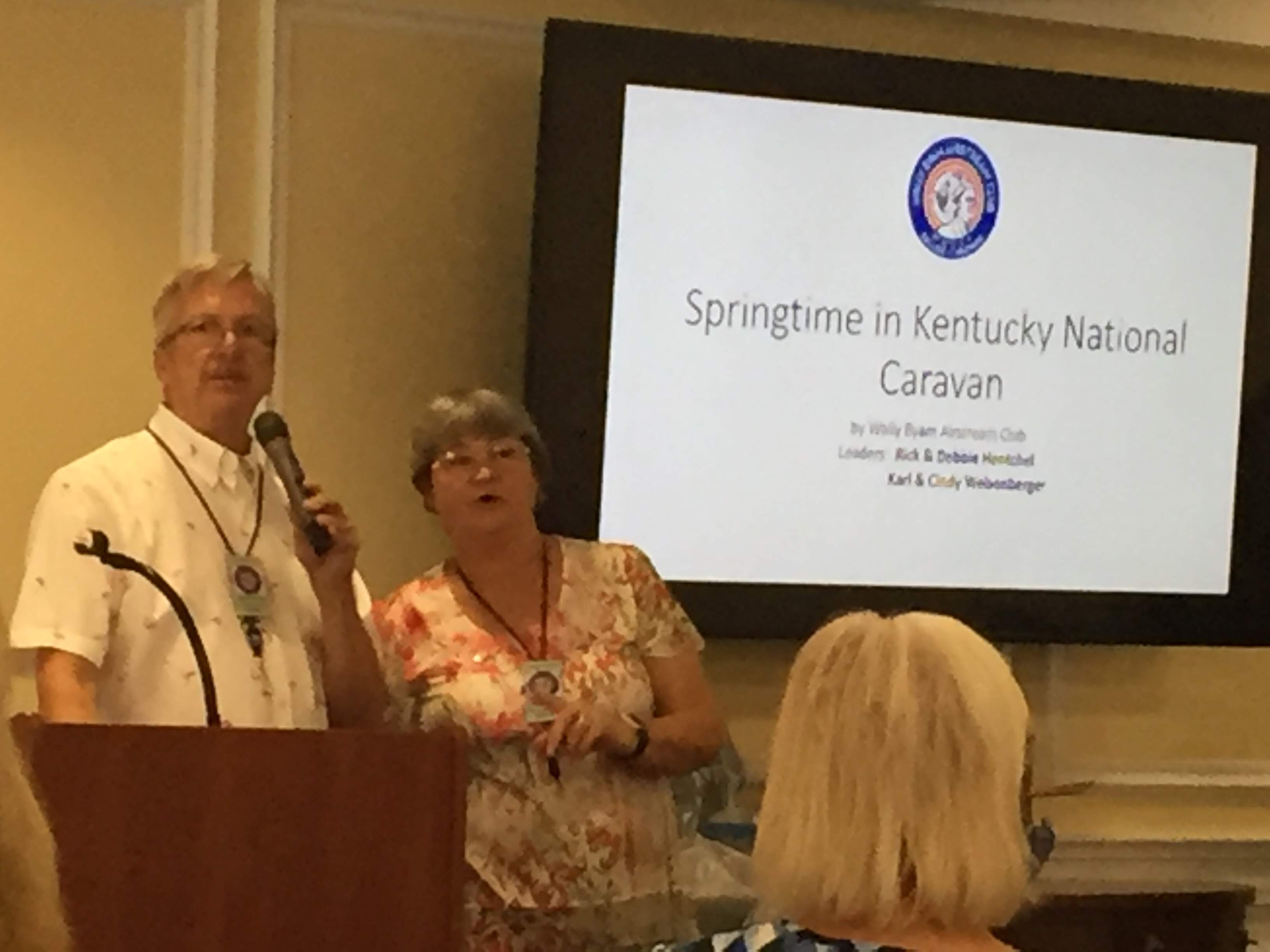
Our caravan leaders, with a few parting words…

img_8863

After the banquet the Airstreamers headed out; some were leaving, others returned to the campground for one last night…

img_2849

We headed for Bowling Green, KY… for a little while we followed another caravanner…

img_8865img_8867

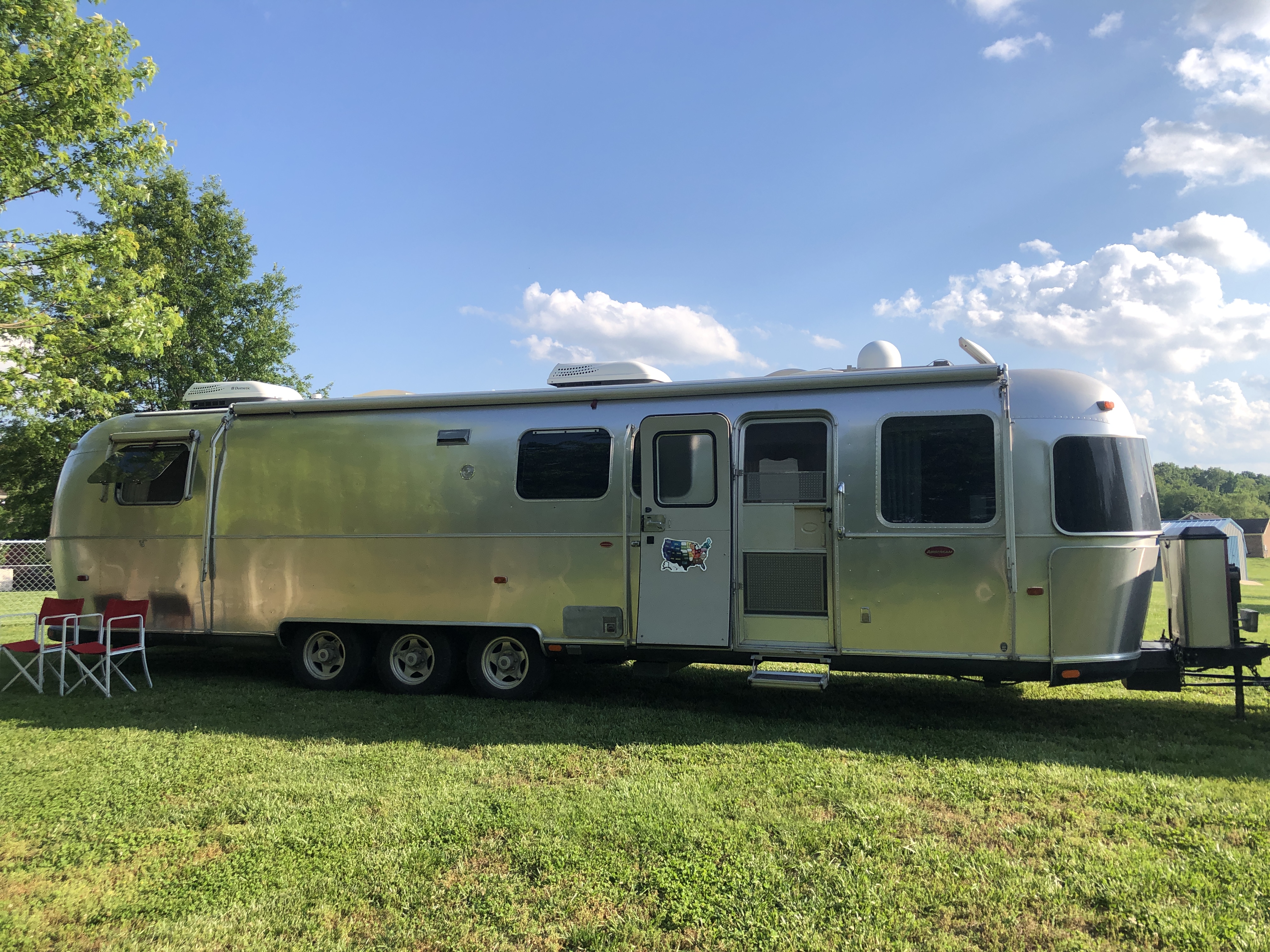
We stopped in Bowling Green, rented a car, and drove to Franklin, KY.  There we found “Courtesy Parking”, a feature of the Airstream Club (WBCCI) whereby another Airstream owner lets us park on their property…

img_8868img_2851

In this case, we parked on an empty lot behind this Airstream owner’s house…

img_8869

We did some final packing, enjoyed some happy hours, and turned in early.  Tomorrow we drive the rental car to the Nashville Airport and fly to California!

And an enjoyable time was had by all…

2019-05-15 – Airstream Caravan Travels – Springtime in Kentucky; Shaker Village and Danville, KY – Day #21

Today was our last day of sightseeing on the caravan… It’s all over all too soon…!

We drove about one hour northwest to the town of Danville, KY.  It has been around for a while… On December 4, 1787, the Virginia Legislature established Danville as a town in Kentucky County, Virginia.  Danville became a part of the Commonwealth of Kentucky when the county of Kentucky was carved out of western Virginia to became a state in 1792.

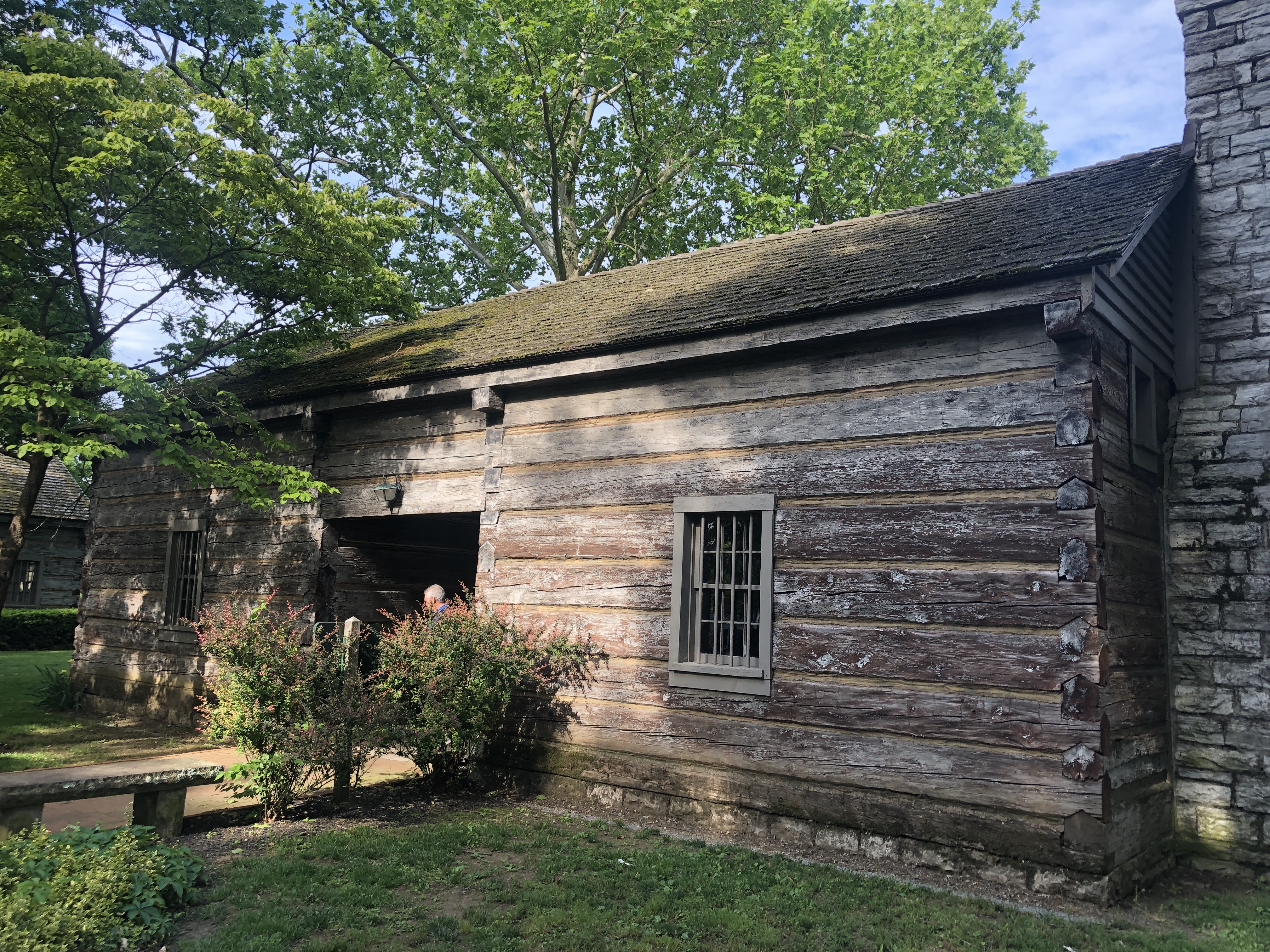
The town boasts being the site of the signing of the Kentucky Constitution.  We saw many old buildings located in the central town square…

The original Post Office is the first west of the Alleghenies, opened in 1792.
img_2807-1

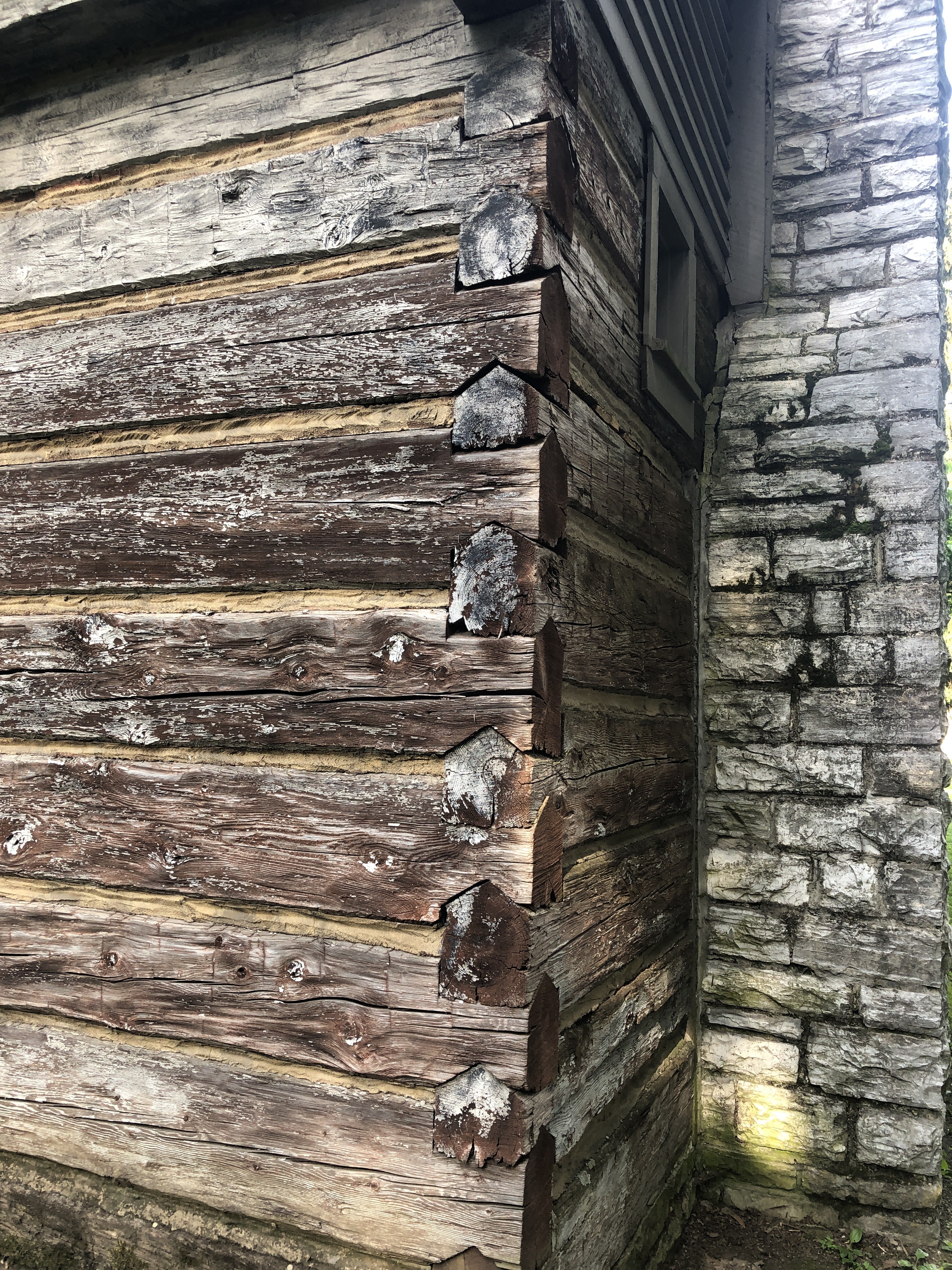
I found the hewn logs to be unique – I have never seen joints like this before…
img_2808

There was also a jail and the courthouse… plus a memorial to all the Kentucky Governors…

But the real reason to come here is to learn about the achievements of Dr. Ephraim McDowell…

Ephraim McDowell (November 11, 1771 – June 25, 1830) was an American physician and pioneer surgeon.

McDowell was born in Rockbridge County, Virginia, the ninth child of Samuel and Mary McDowell.  His father, Samuel, was appointed land commissioner and moved his family to Danville, Kentucky.  There, he presided over ten conventions that resulted in the drafting of the Kentucky Constitution.

In 1802, Ephraim McDowell married Sarah Shelby, daughter of Isaac Shelby, war hero and twice governor of Kentucky.  They had nine children, but only one son and four daughters survived into adulthood.

On December 13, 1809, McDowell was called to see Jane Todd Crawford in Green County, Kentucky, 60 miles from Danville.  Her physicians thought that Mrs. Crawford was beyond term pregnant.  McDowell diagnosed an ovarian tumor.  Crawford begged him to keep her from a slow and painful death.  He then described her condition and that an operation for cure had never been performed.  He said that the best surgeons in the world thought it impossible.  Crawford said she understood and wanted to proceed.  McDowell told her he would remove the tumor if she would travel to his home in Danville.  She agreed and rode the sixty miles on horseback.

On Christmas morning, 1809, McDowell began his operation.  The surgery was performed without benefit of anesthetic or antisepsis, neither of which was then known to the medical profession.  The tumor McDowell removed weighed 22.5 pounds.  He determined that it would be difficult to remove completely, so he tied a ligature around the fallopian tube near the uterus and cut open the tumor.  He described the tumor as the ovarium and fimbrious part of the fallopian tube very much enlarged.  The whole procedure took 25 minutes.  Crawford made an uncomplicated recovery.  She returned to her home in Green County 25 days after the operation and lived another 32 years (outliving Dr. McDowell…).  This was the first successful removal of an ovarian tumor in the world.

All previous attempts at abdominal exploration before 1809 had resulted in peritonitus and death.  Descriptions of McDowell include phrases like “neat and clean” or “scrupulously clean.”  He was not only neat, but meticulous.  In his report on the operation, he described the removal of blood from the peritoneal cavity and bathing the intestines with warm water.

McDowell did not publish a description of his procedure until 1817, after he had performed two more such operations.  This was widely criticized in the English surgical literature.  There is evidence that he performed at least twelve operations for ovarian pathology.  (None of these patients is alive today…)

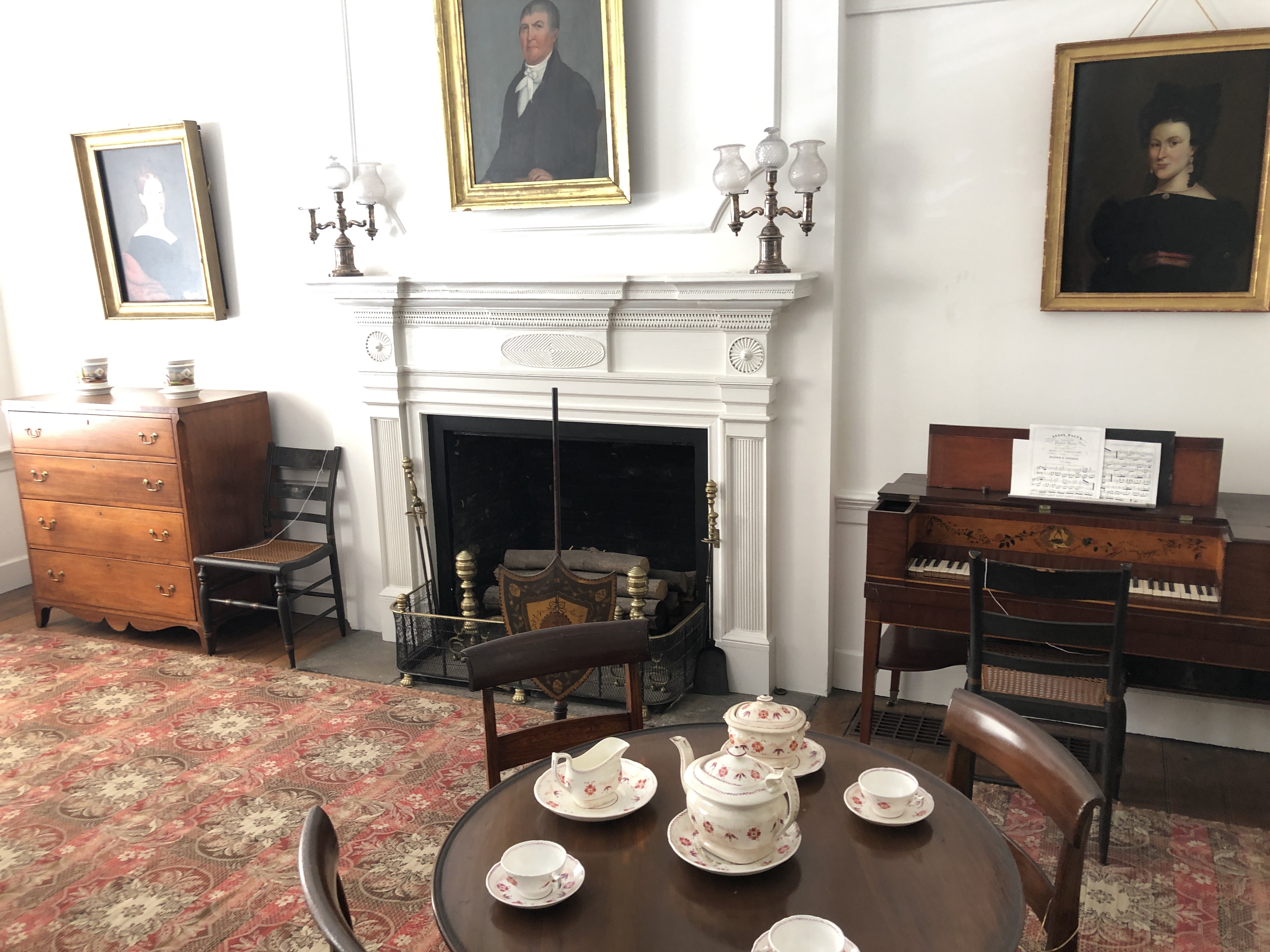
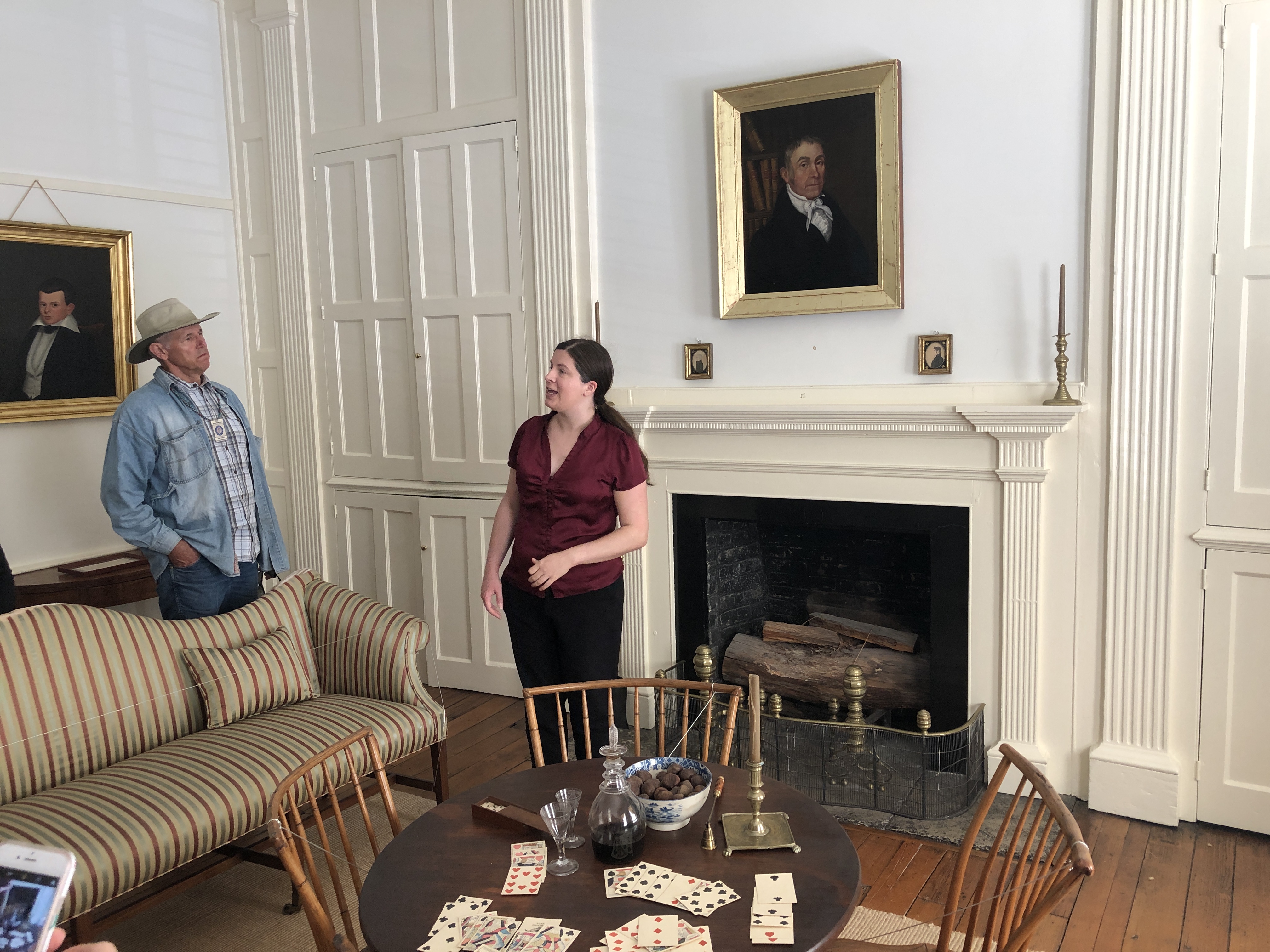
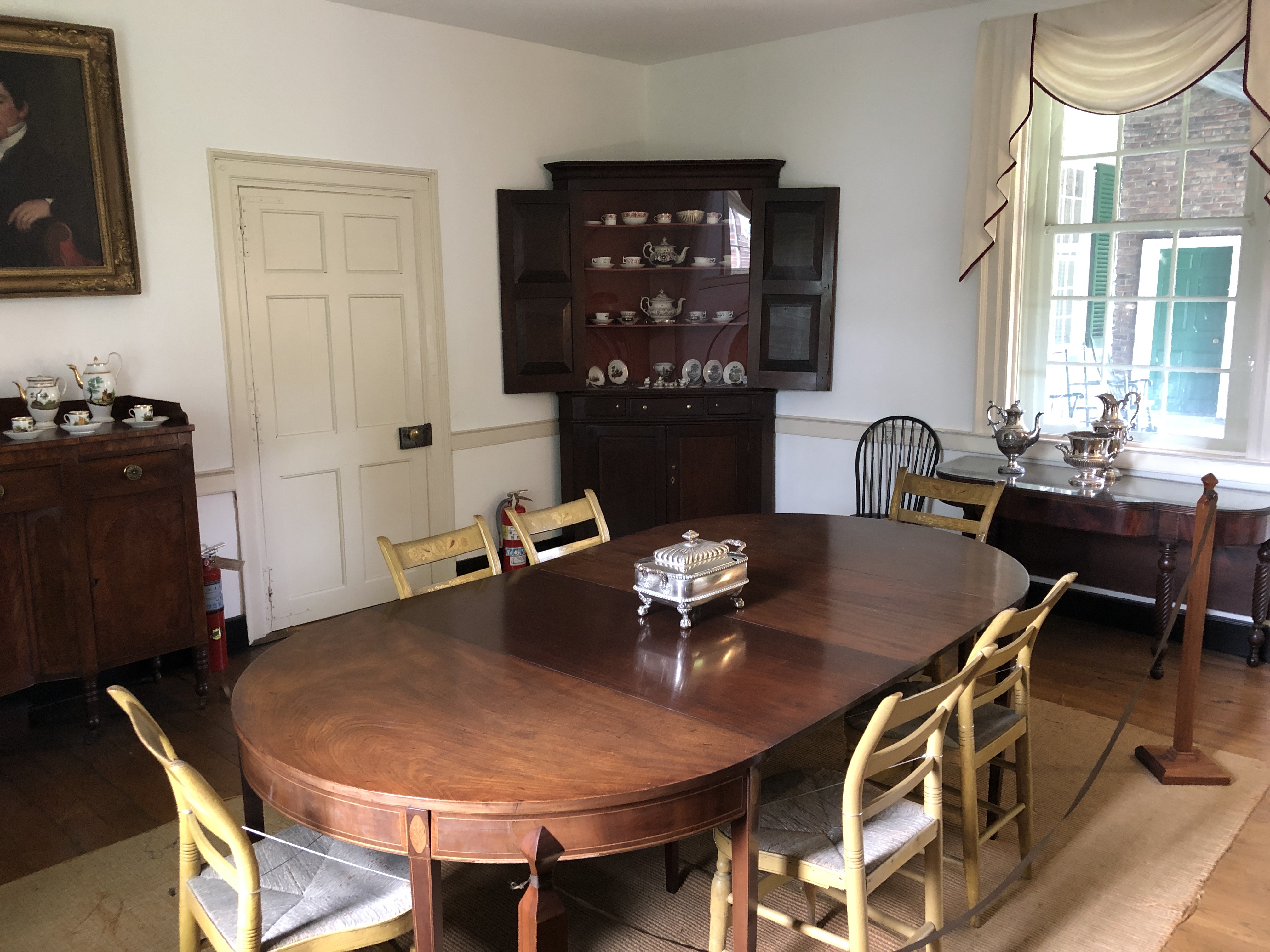
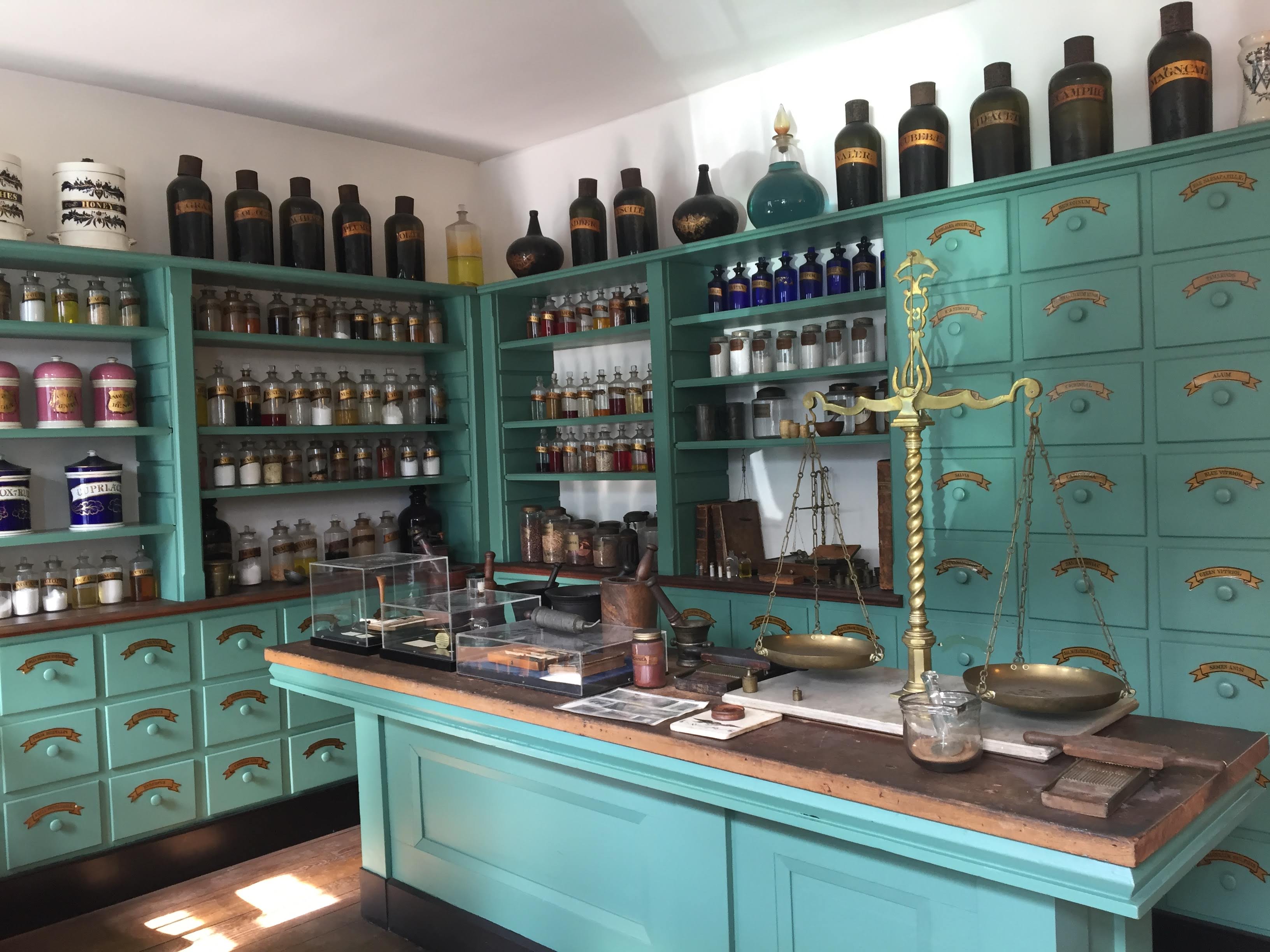
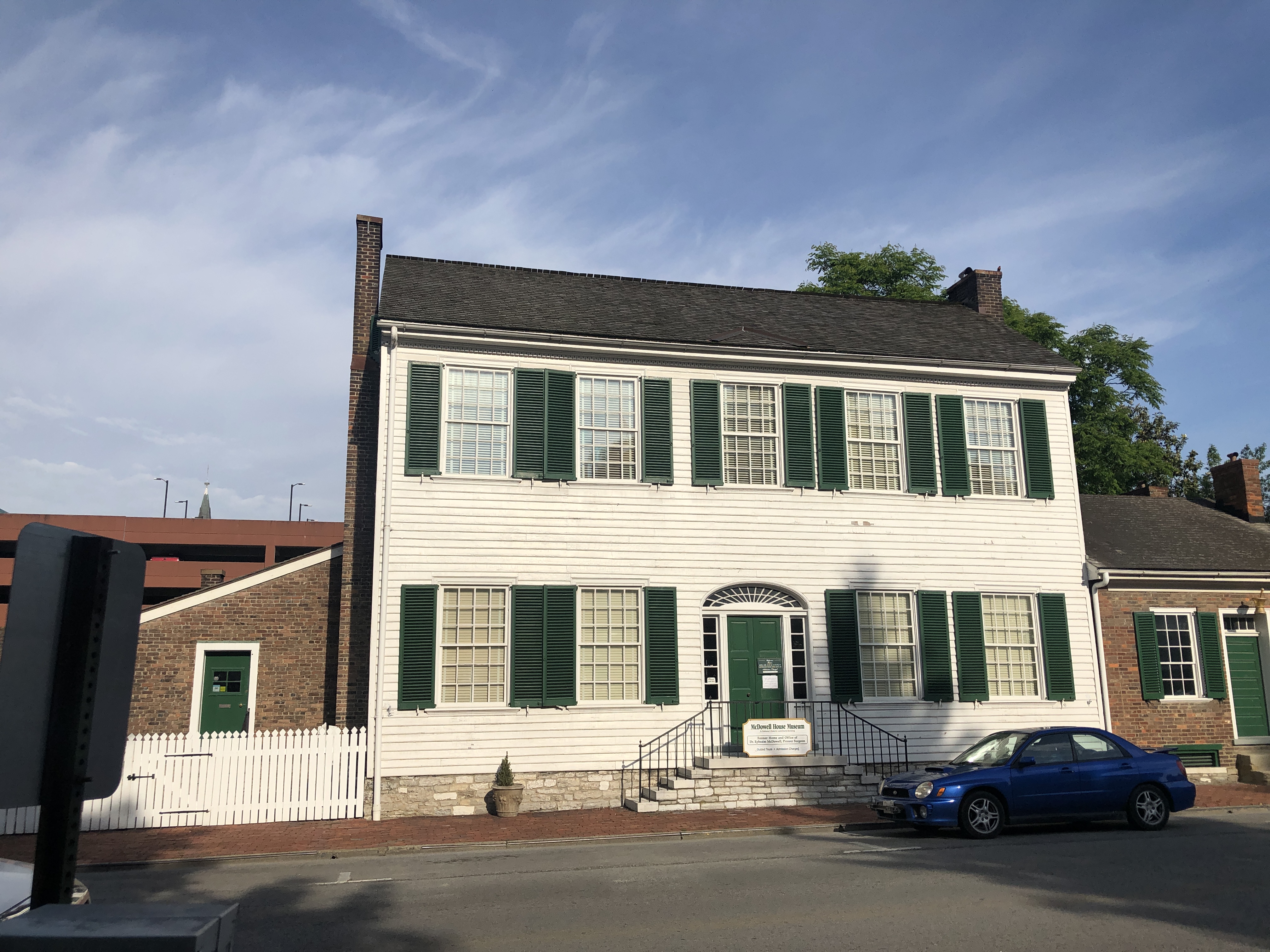
So we visited Dr. McDowell’s house and office and pharmacy…

The house is pretty typical for the late 18th and early 19th century, at least for wealthy, well-connected professionals living in a thriving city…
img_2797

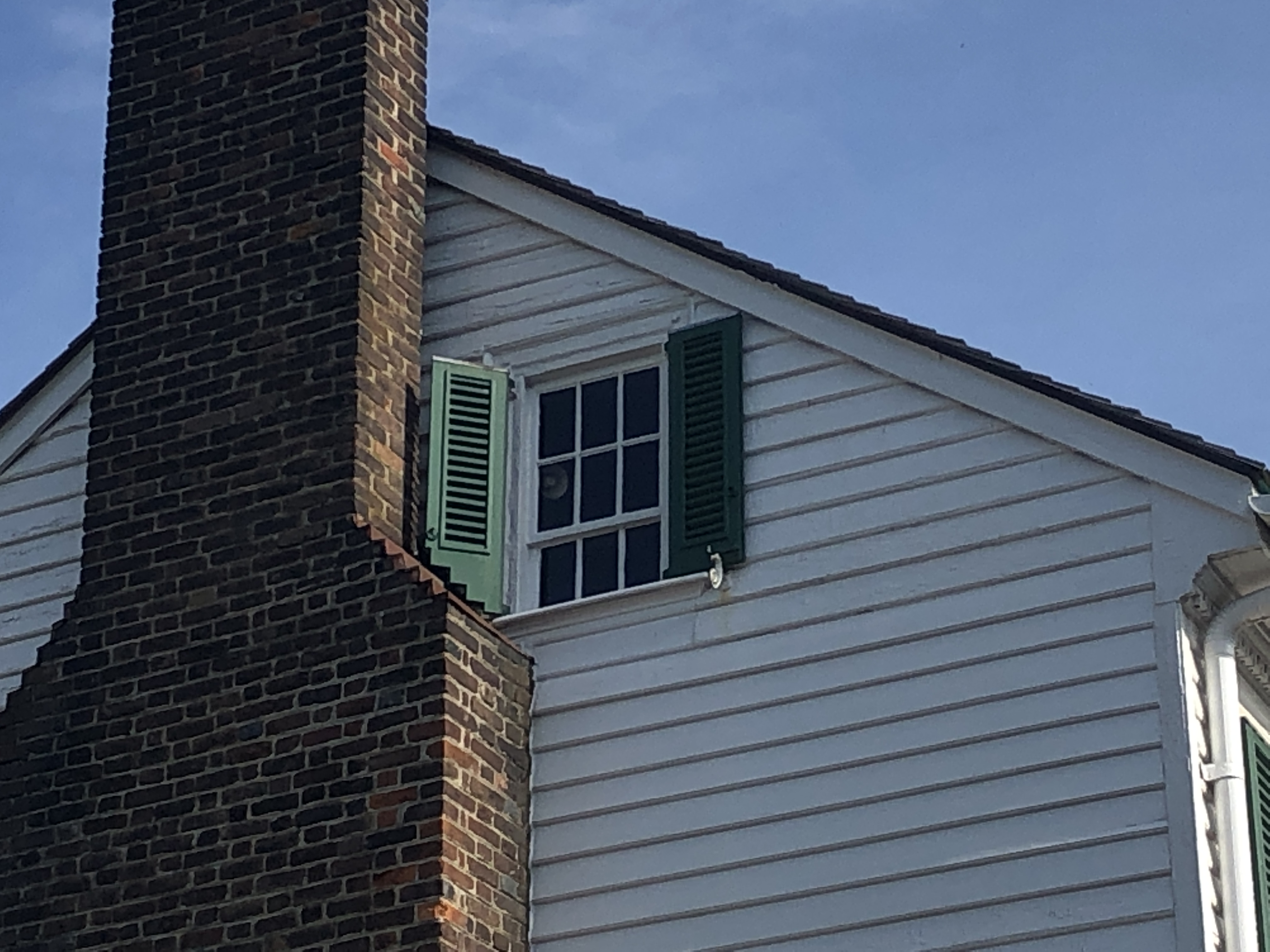
I particularly liked the custom shutter at the attic window…
img_2814

The Living Room…

img_2819

The Study and Men’s Lounge…

img_2818

The Dining Room…

img_2825

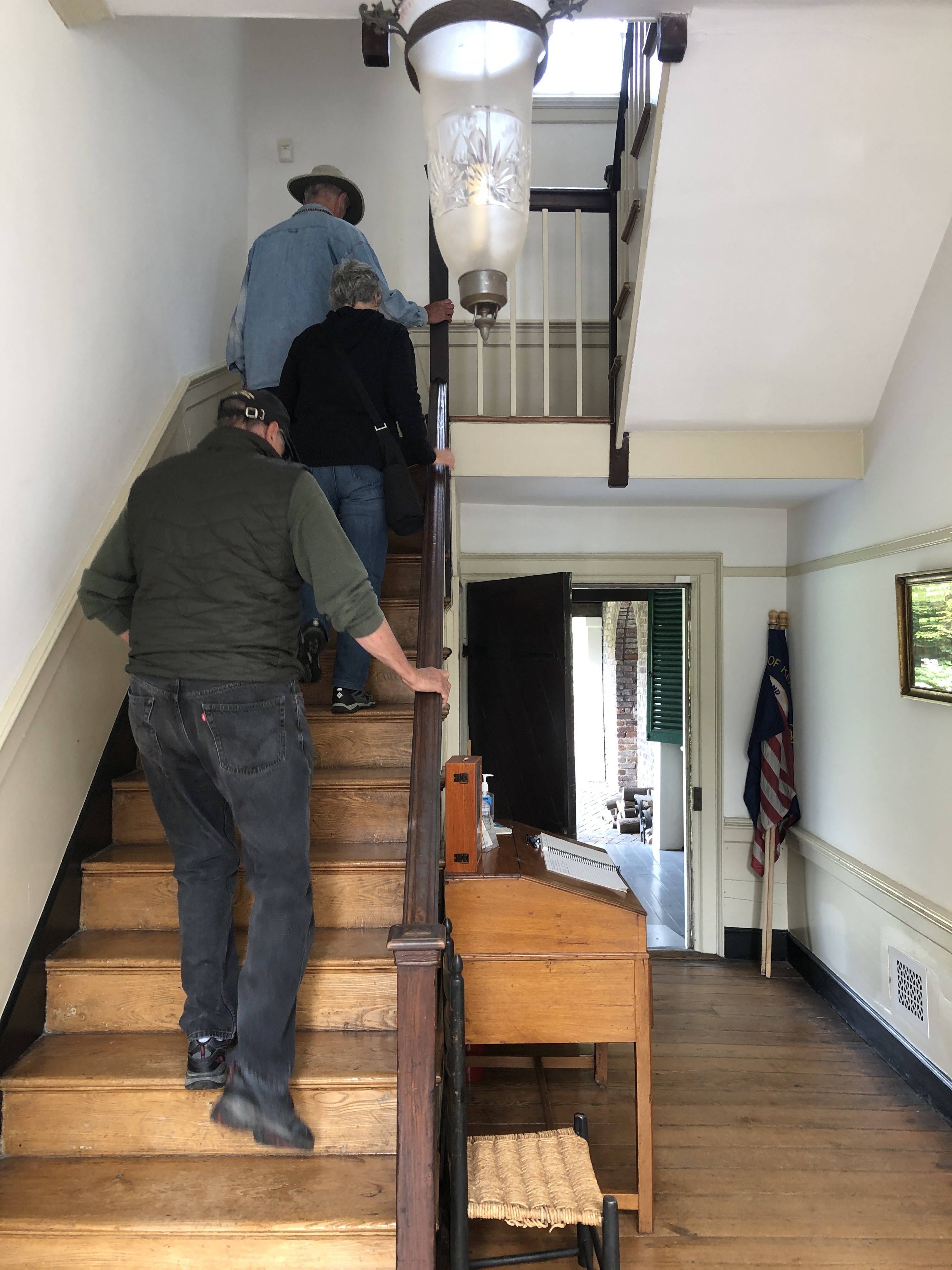
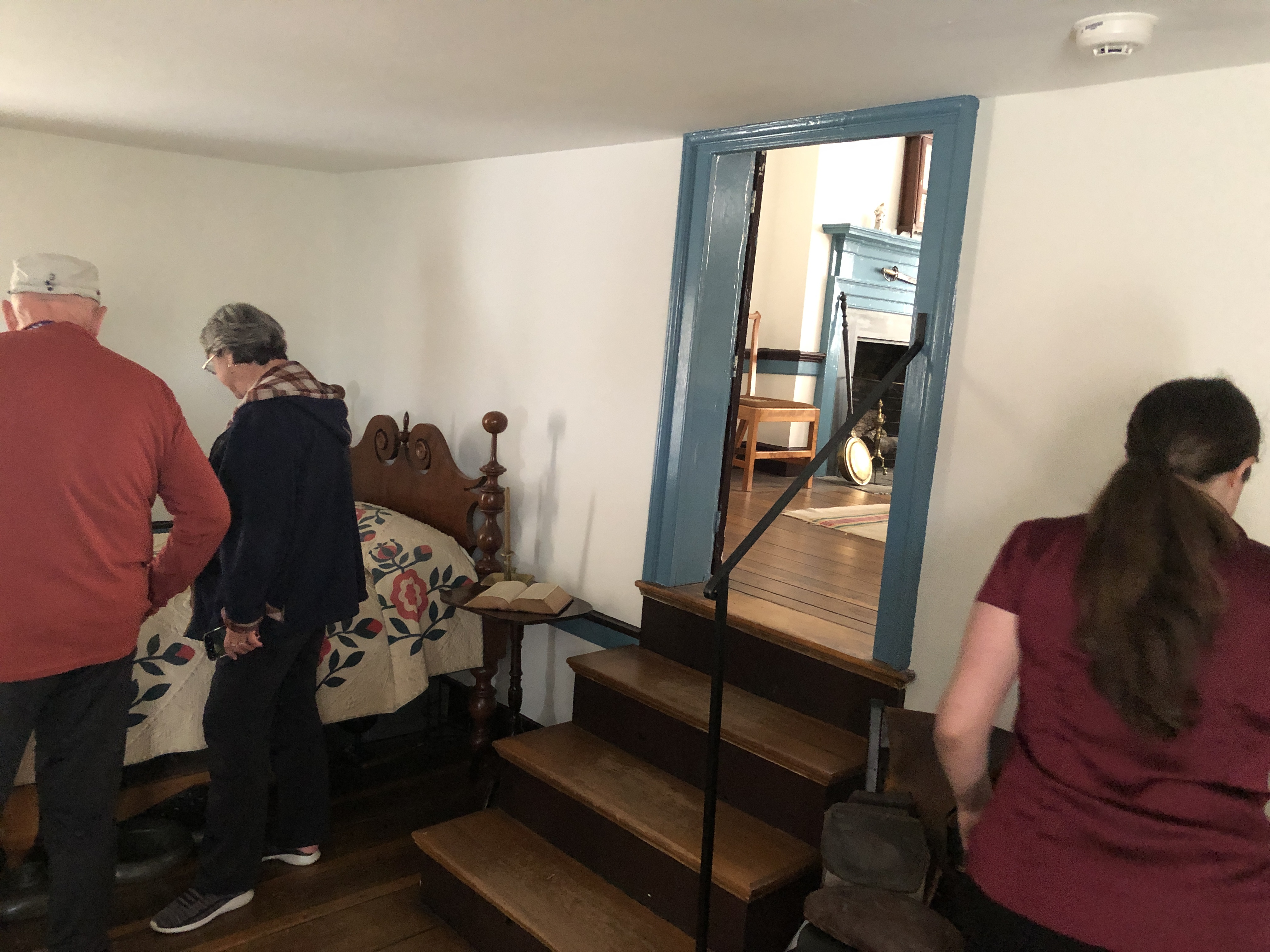
Climbing the stairs…

img_2821

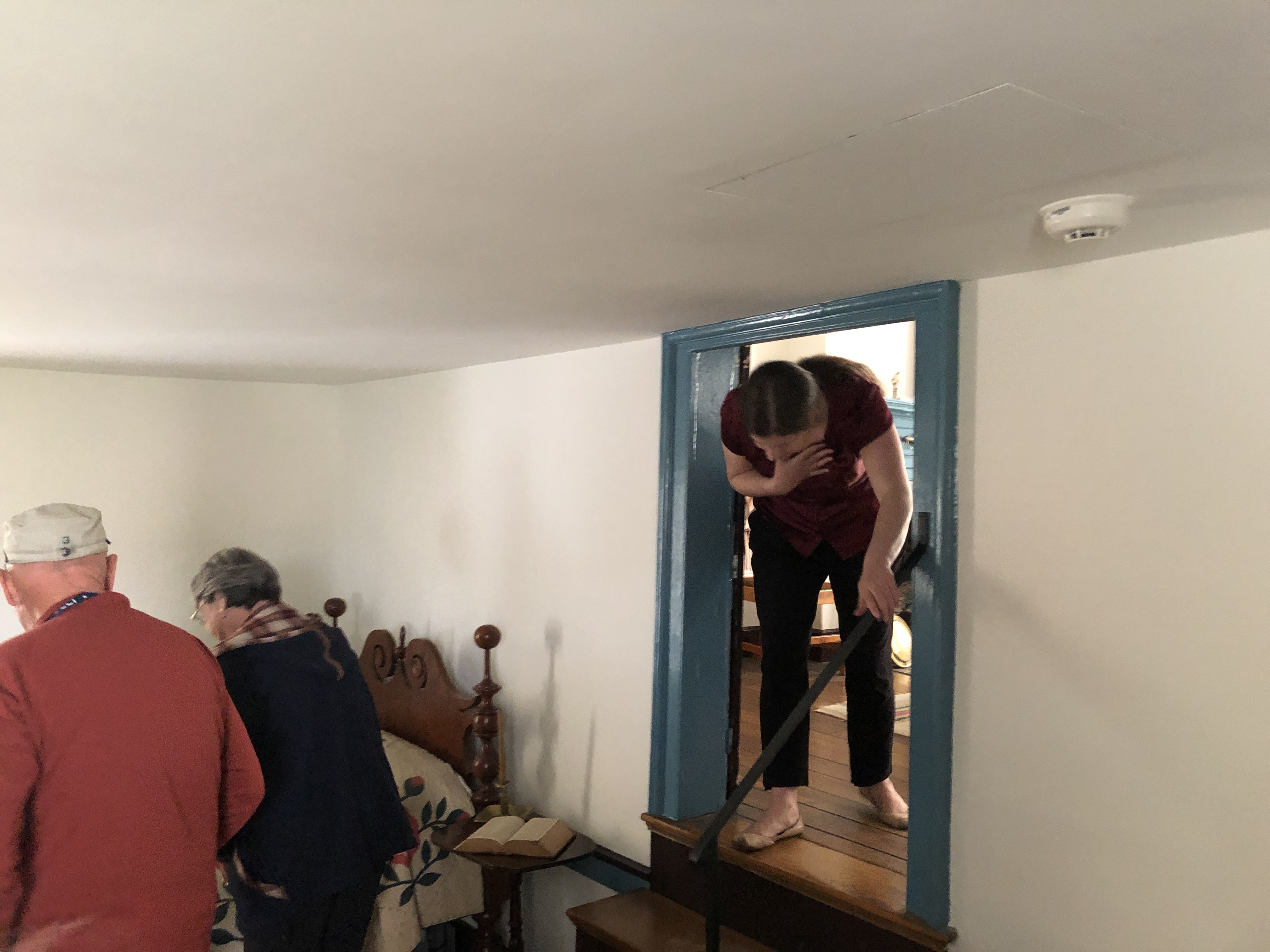
A unique doorway between bedrooms…

img_2824img_2822

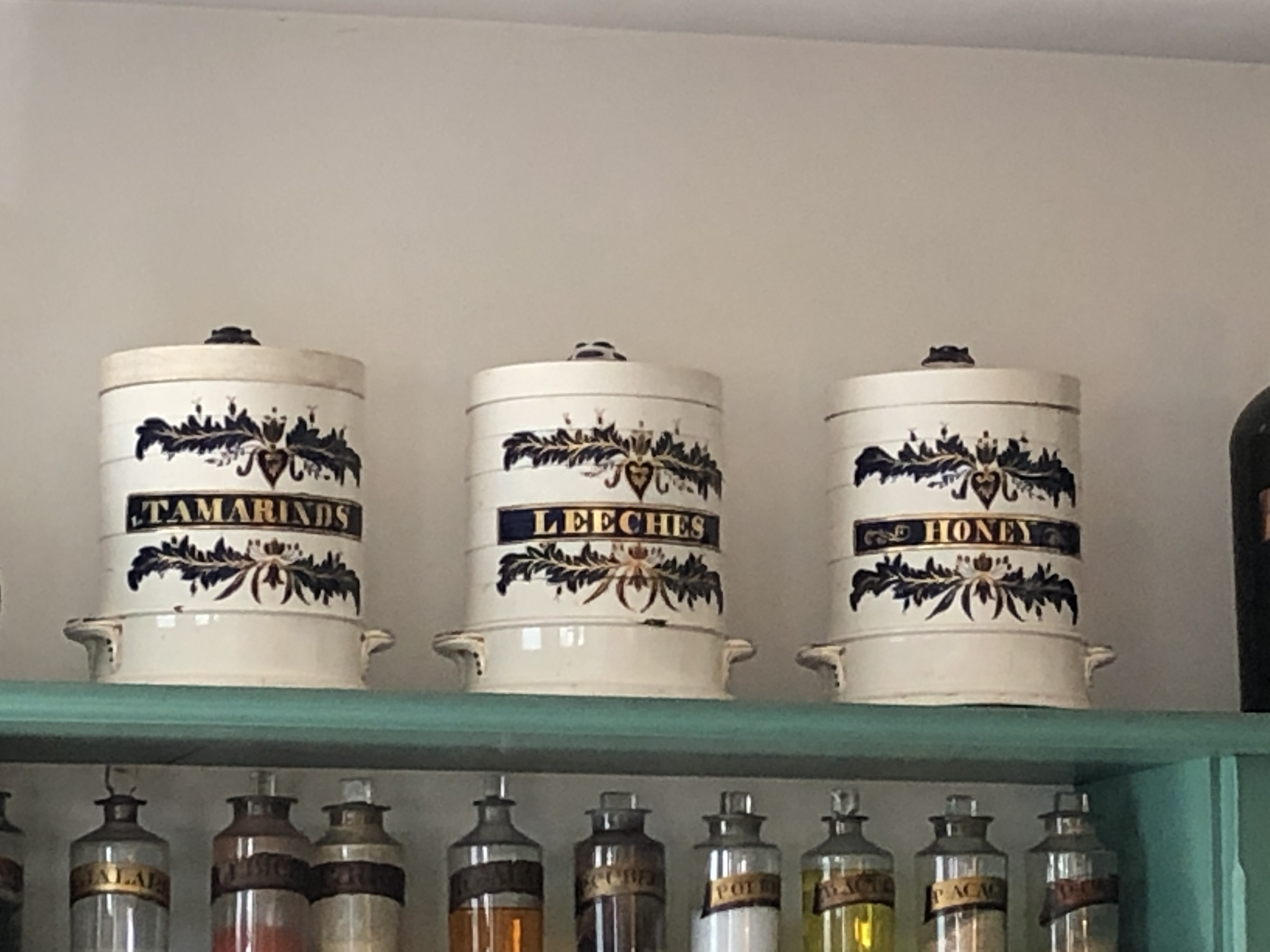
The Pharmacy…

img_8822

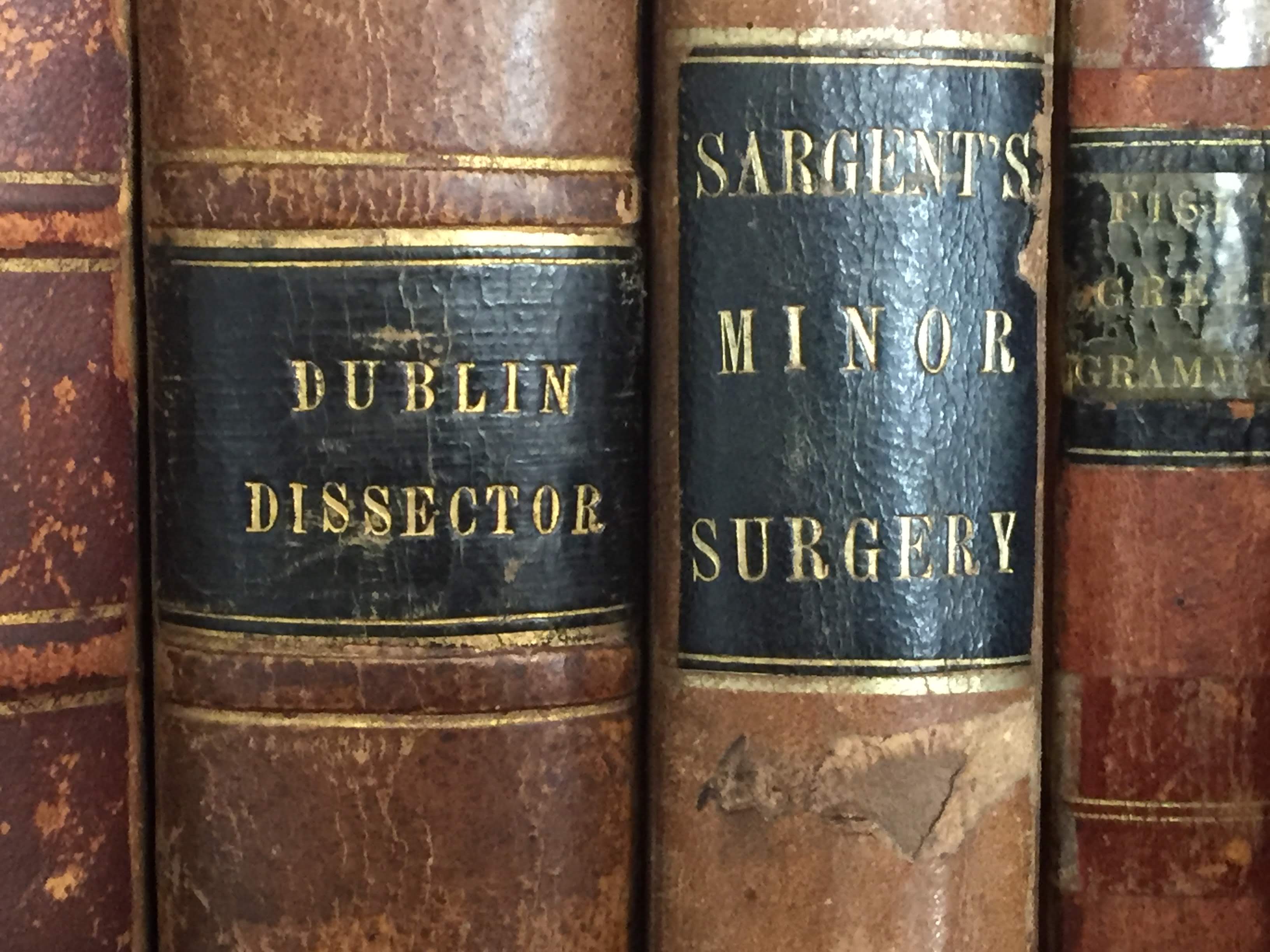
Medical books…

img_8829

A good supply of leeches is conveniently on hand…
img_2815

It was an interesting look at the medical profession of 200 years ago…

One hundred years later, in 1910, Abraham Flexner wrote The Flexner Report; it is the most important event in the history of American and Canadian medical education.  It was a commentary on the condition of medical education in the early 1900s and gave rise to modern medical education.

Abraham Flexner was not a doctor but was a secondary school teacher and principal for 19 years in Louisville, Kentucky.  Flexner then took graduate work at Harvard and the University of Berlin and joined the research staff of the Carnegie Foundation for the Advancement of Teaching.  For the Carnegie Foundation, Flexner researched, wrote and in 1910 published a report entitled “Medical Education in the United States and Canada.” It is known today as the Flexner Report.

The Flexner Report triggered much-needed reforms in the standards, organization, and curriculum of North American medical schools.  At the time of the Report, many medical schools were proprietary schools operated more for profit than for education.  Flexner criticized these schools as a loose and lax apprenticeship system that lacked defined standards or goals beyond the generation of financial gain.  In their stead Flexner proposed medical schools in the German tradition of strong biomedical sciences together with hands-on clinical training.  The Flexner Report caused many medical schools to close down and most of the remaining schools were reformed to conform to the Flexnerian model.

How did this reform take place?

Abraham Flexner’s brother, Simon, became the first director of Laboratories at The Rockefeller Institute (now Rockefeller University), in 1901.  The Institute was founded by John D. Rockefeller.  Greatly elevating the prestige of American science and medicine, it was America’s first biomedical institute, like France’s Pasteur Institute (1888) and Germany’s Robert Koch Institute (1891).

As the first director of laboratories, Simon Flexner supervised the development of research capacity at the Institute, whose staff made major discoveries in basic research and medicine.  While a student at Johns Hopkins University, Flexner had studied under the Institute’s first scientific director, William H. Welch, first dean of Hopkins’ medical school and known as the dean of American medicine.

These developments lead John D. Rockefeller and his son, “Junior”, to finance the reform and re-invention of medical schools in America.  Any medical school that agreed to follow the rigorous model set by Johns Hopkins would receive funding from the Rockefellers… We owe this philanthropy for the status of today’s medical schools…

Had enough medical talk?

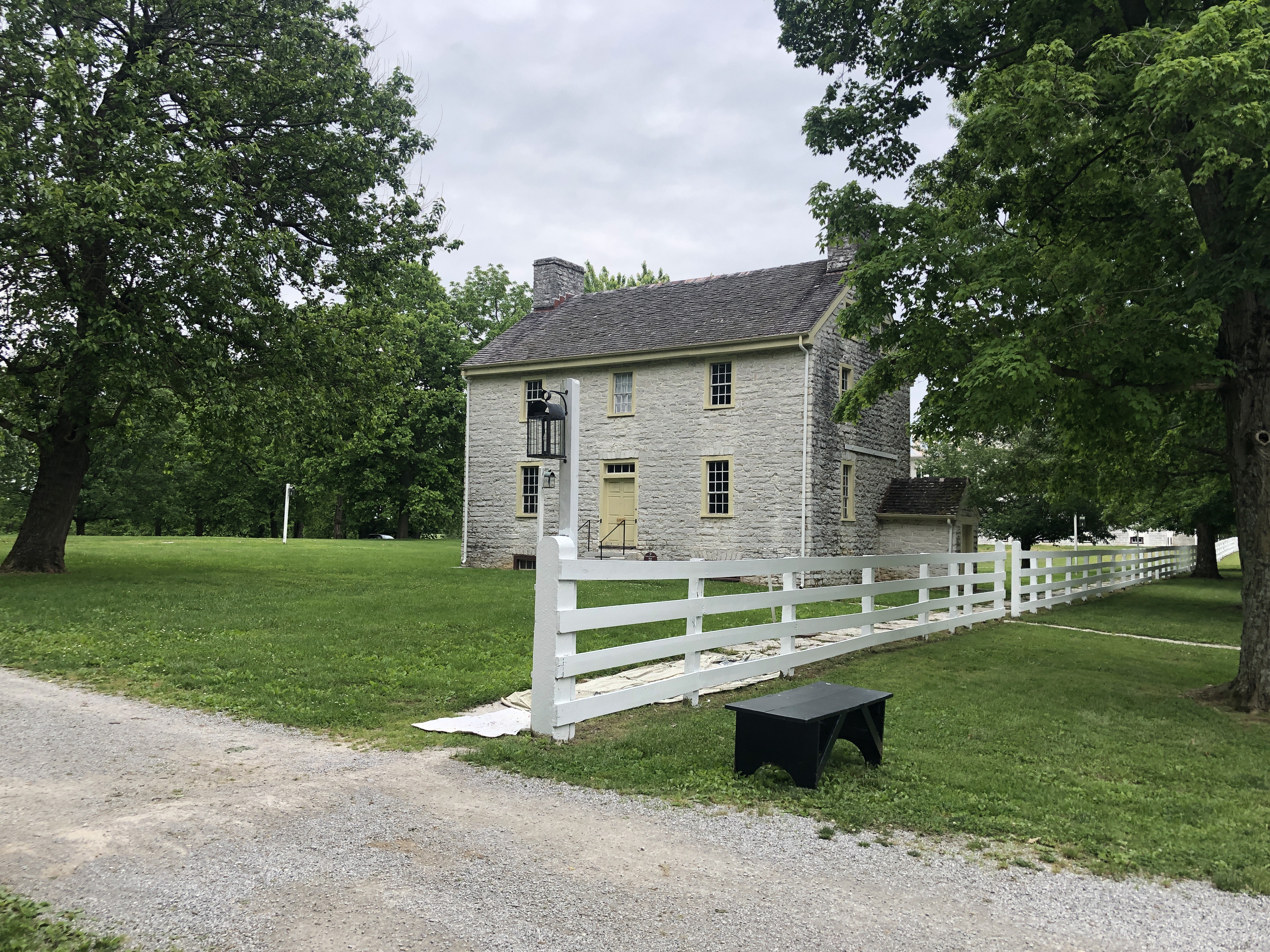
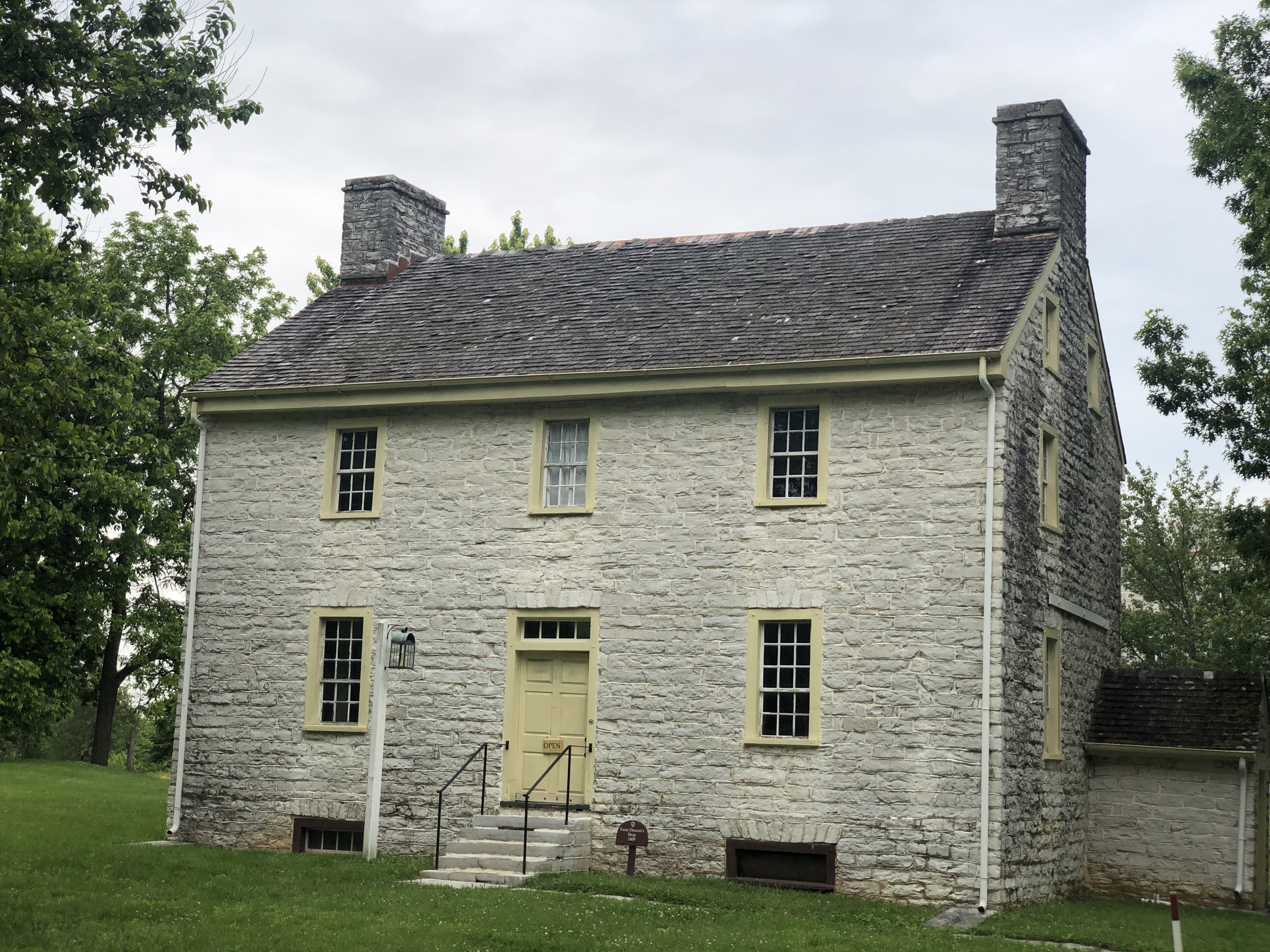
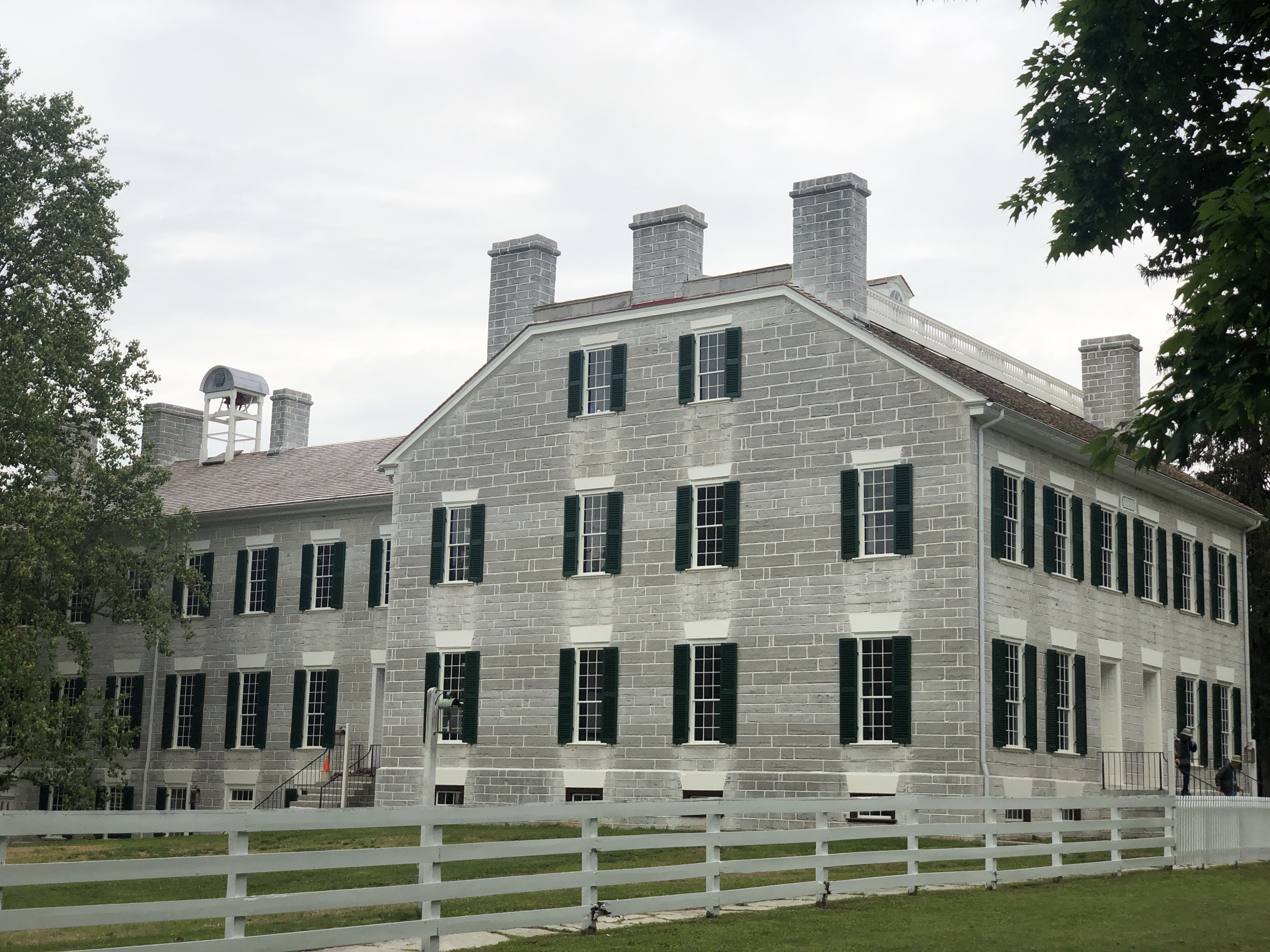
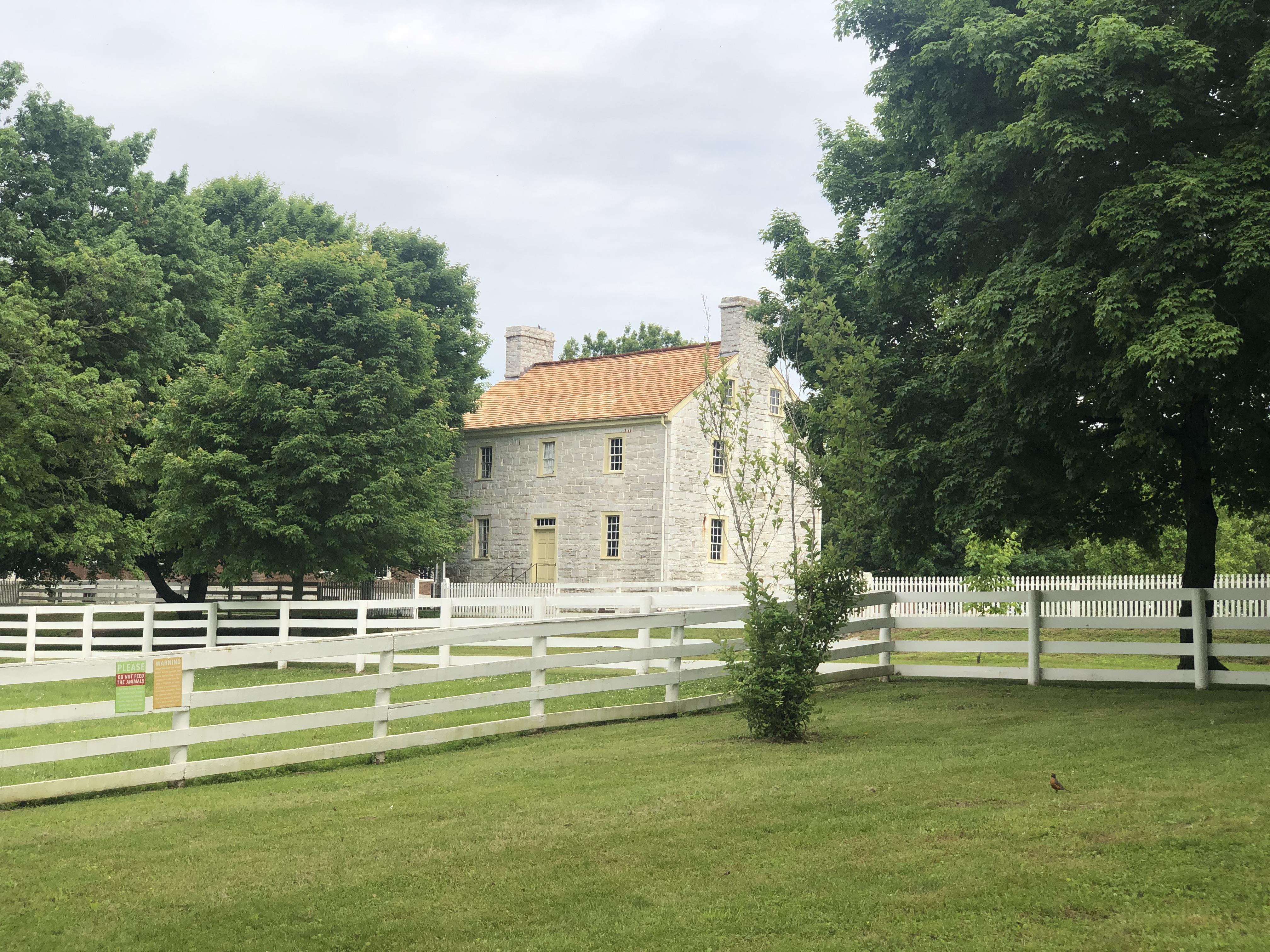
After Danville we drove a few miles north to The Shaker Village at Pleasant Hill.  It is a beautifully preserved and restored village of over 200 buildings on 3,000 acres.
img_2827img_8831img_8832img_2828img_2829img_2830

Of course, we started with lunch…

img_2832img_2833img_2834

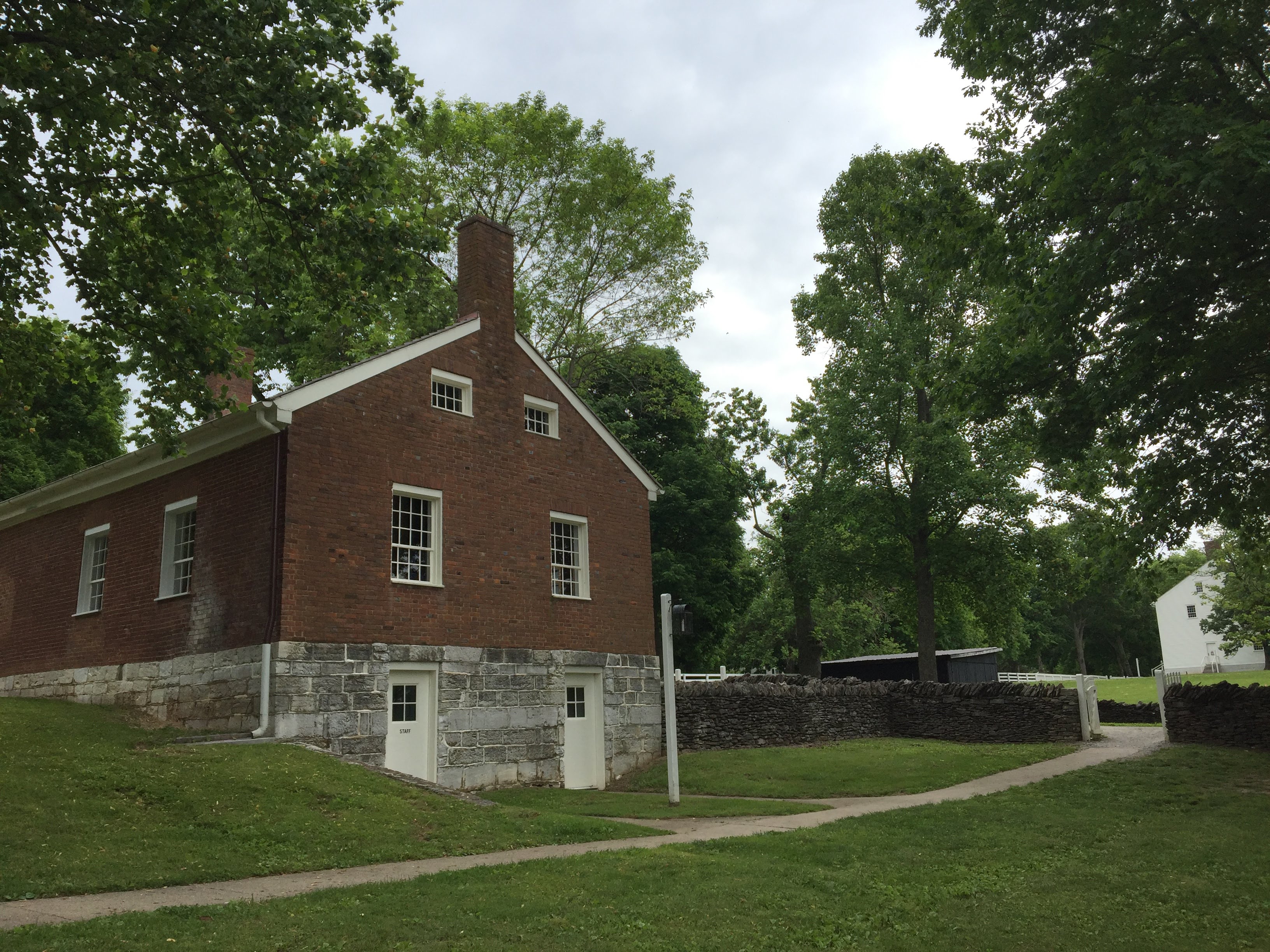
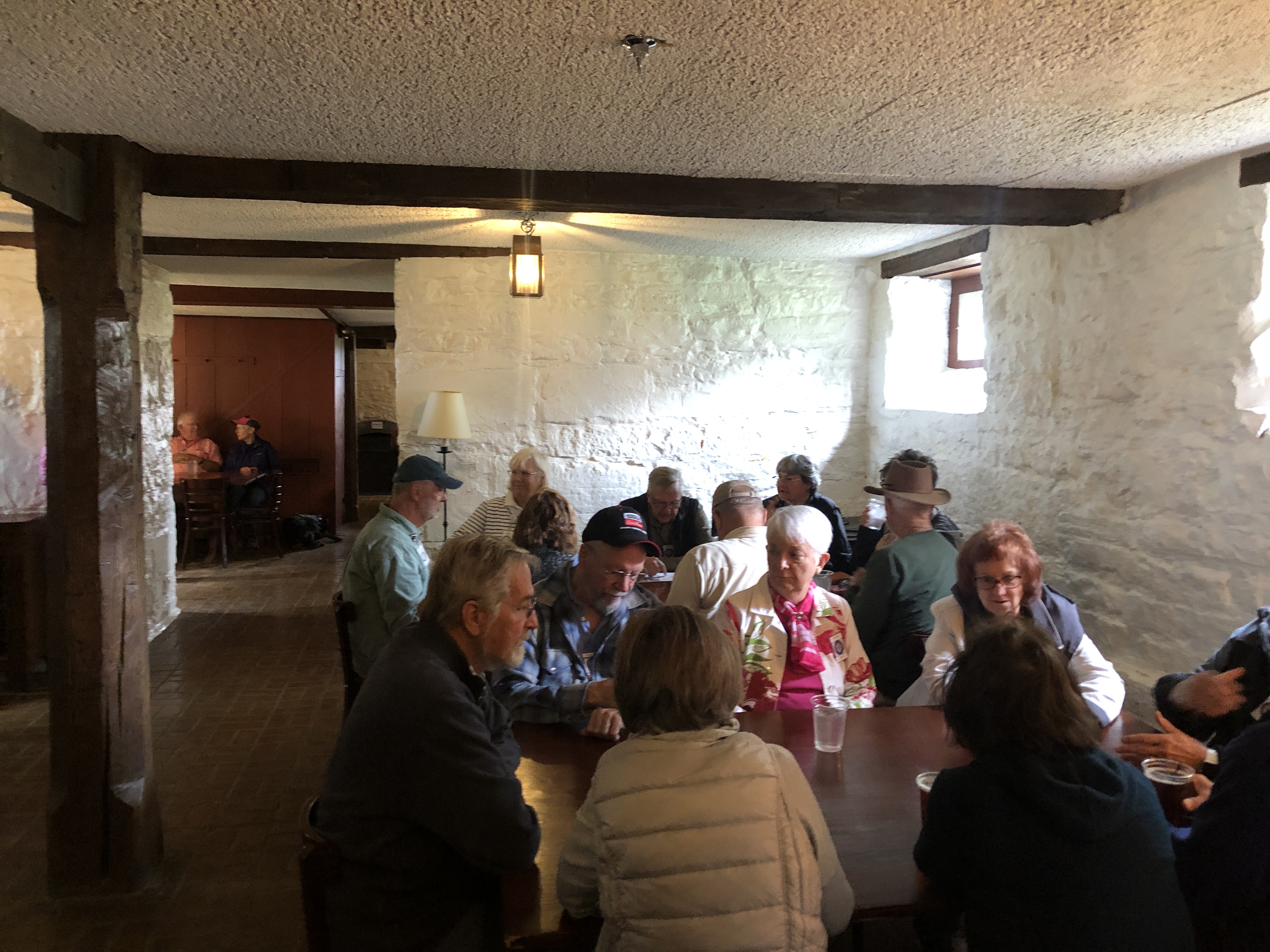
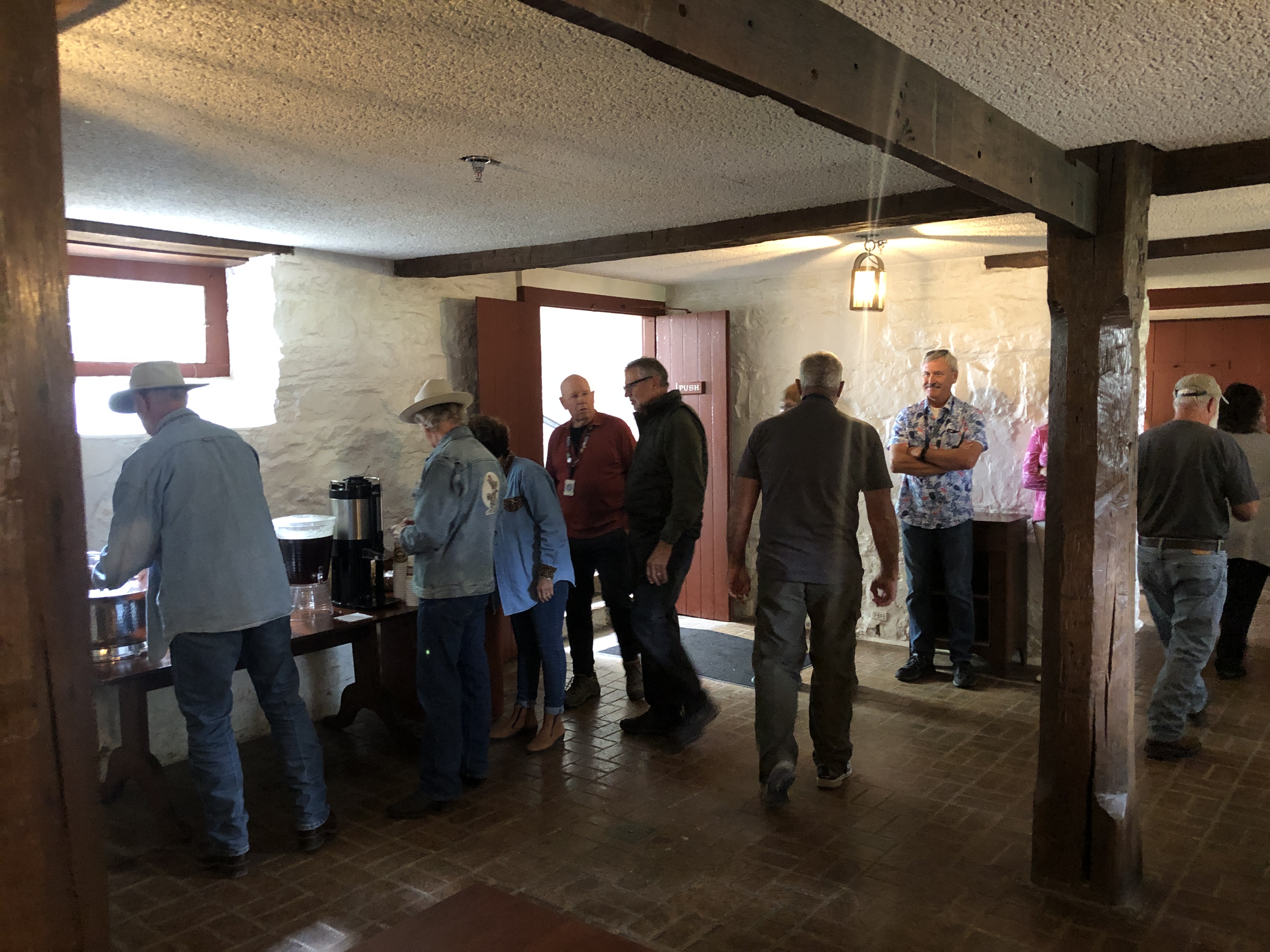
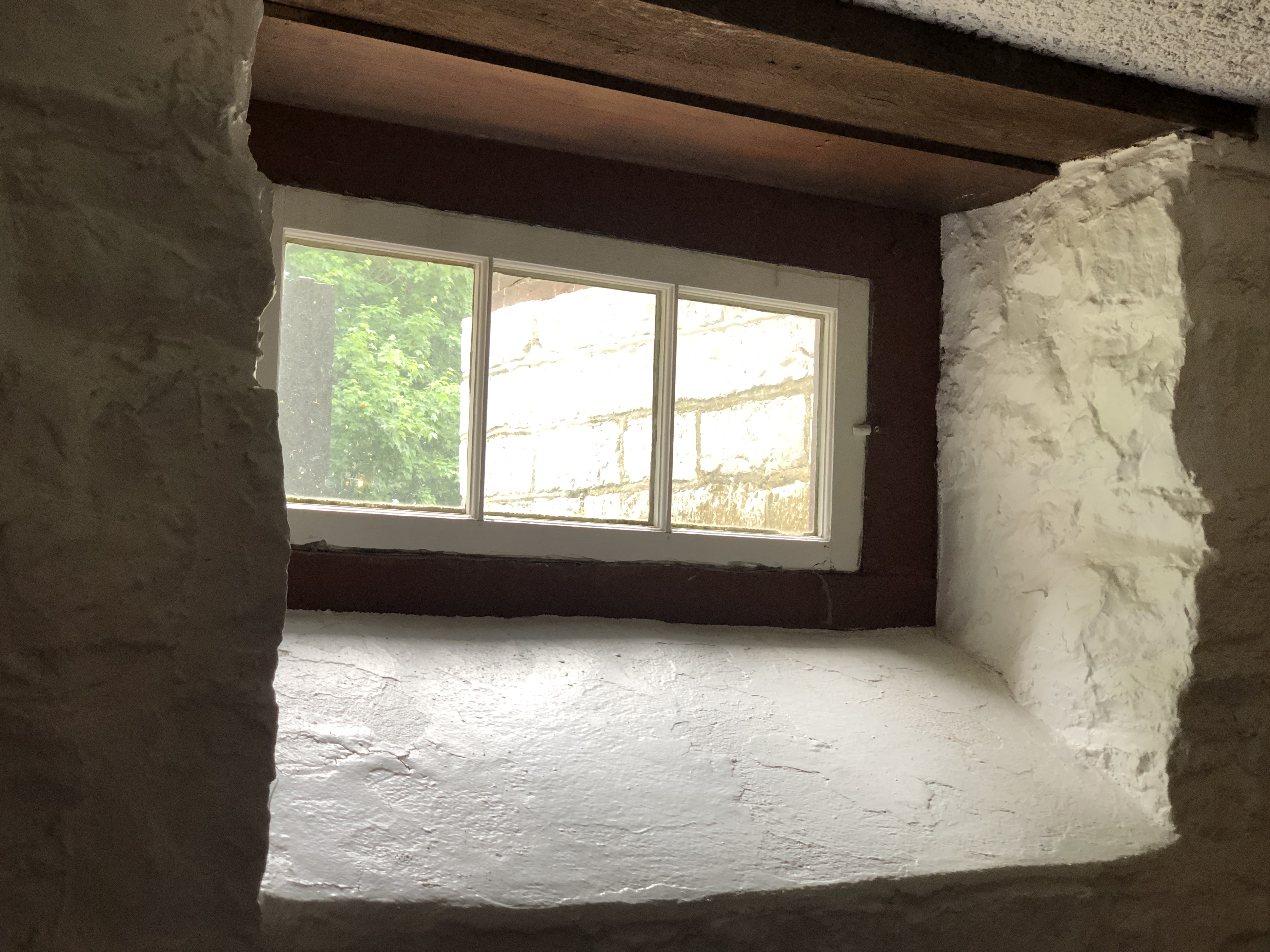
Our lunch was in the basement of this 200 year old building… Beautiful stonework…
img_2836

After lunch we took a group photo and were given a tour of the buildings; we heard about the history of Shakers in general, and this property in particular…
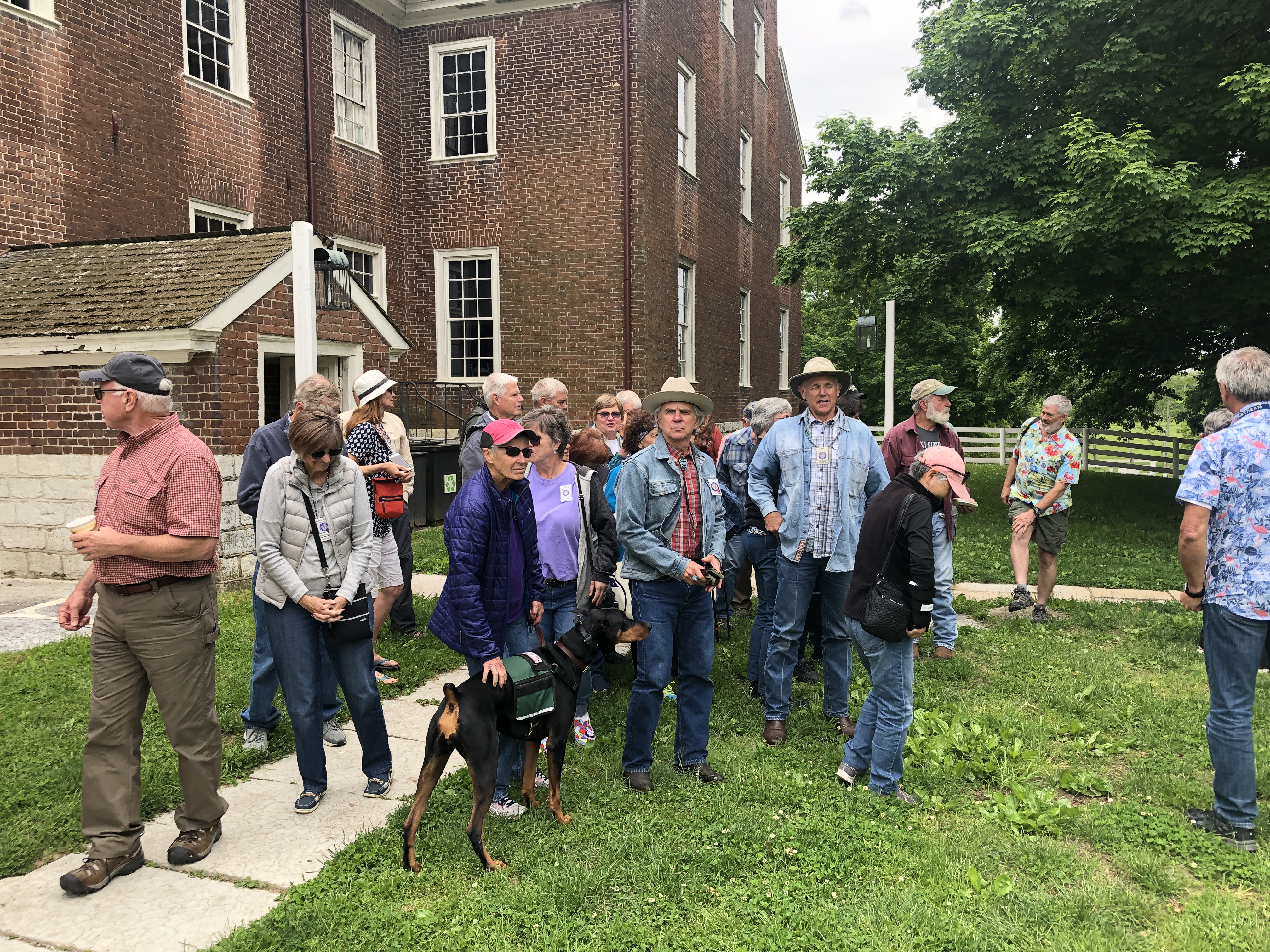
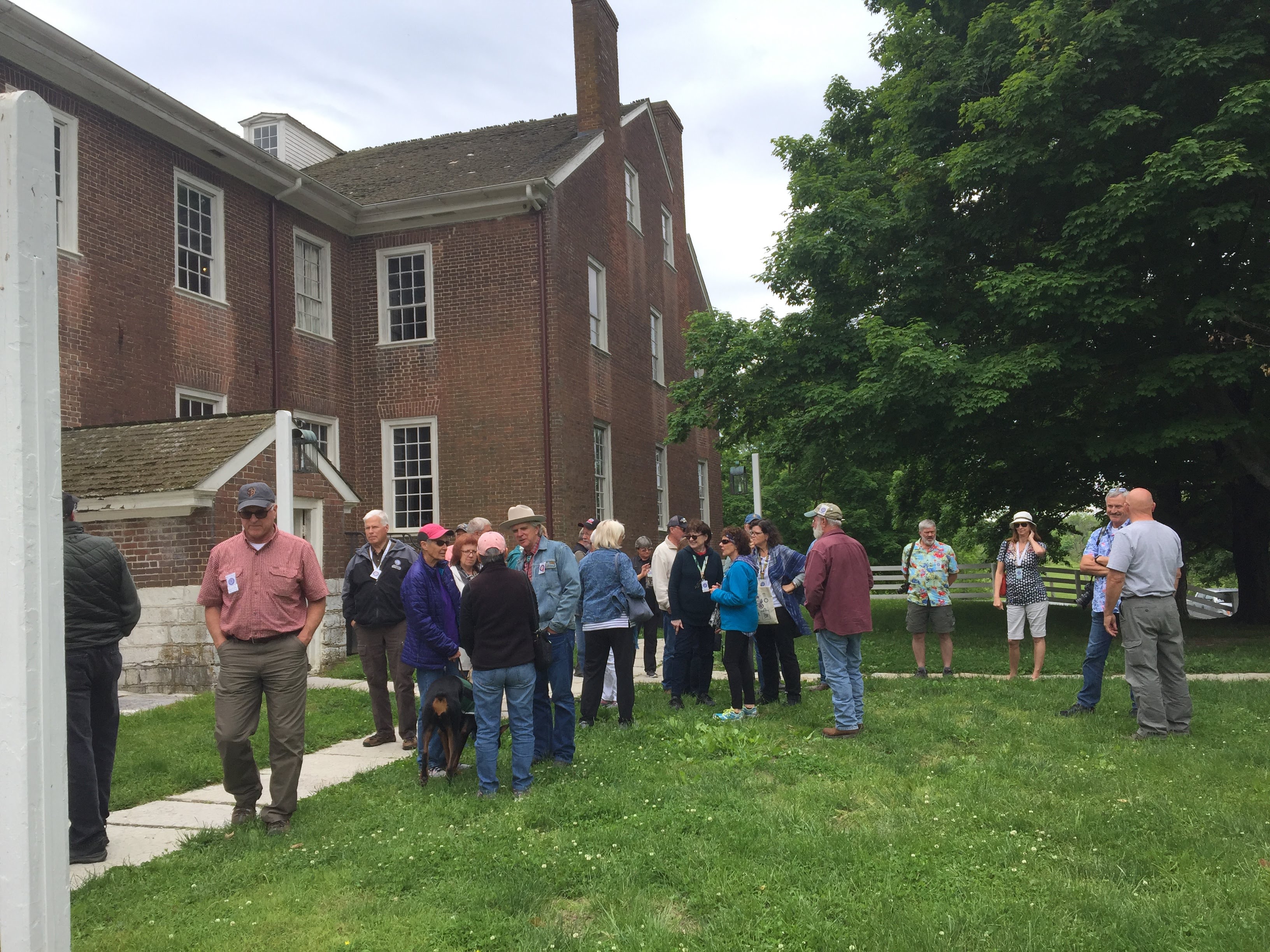
img_2838img_8839

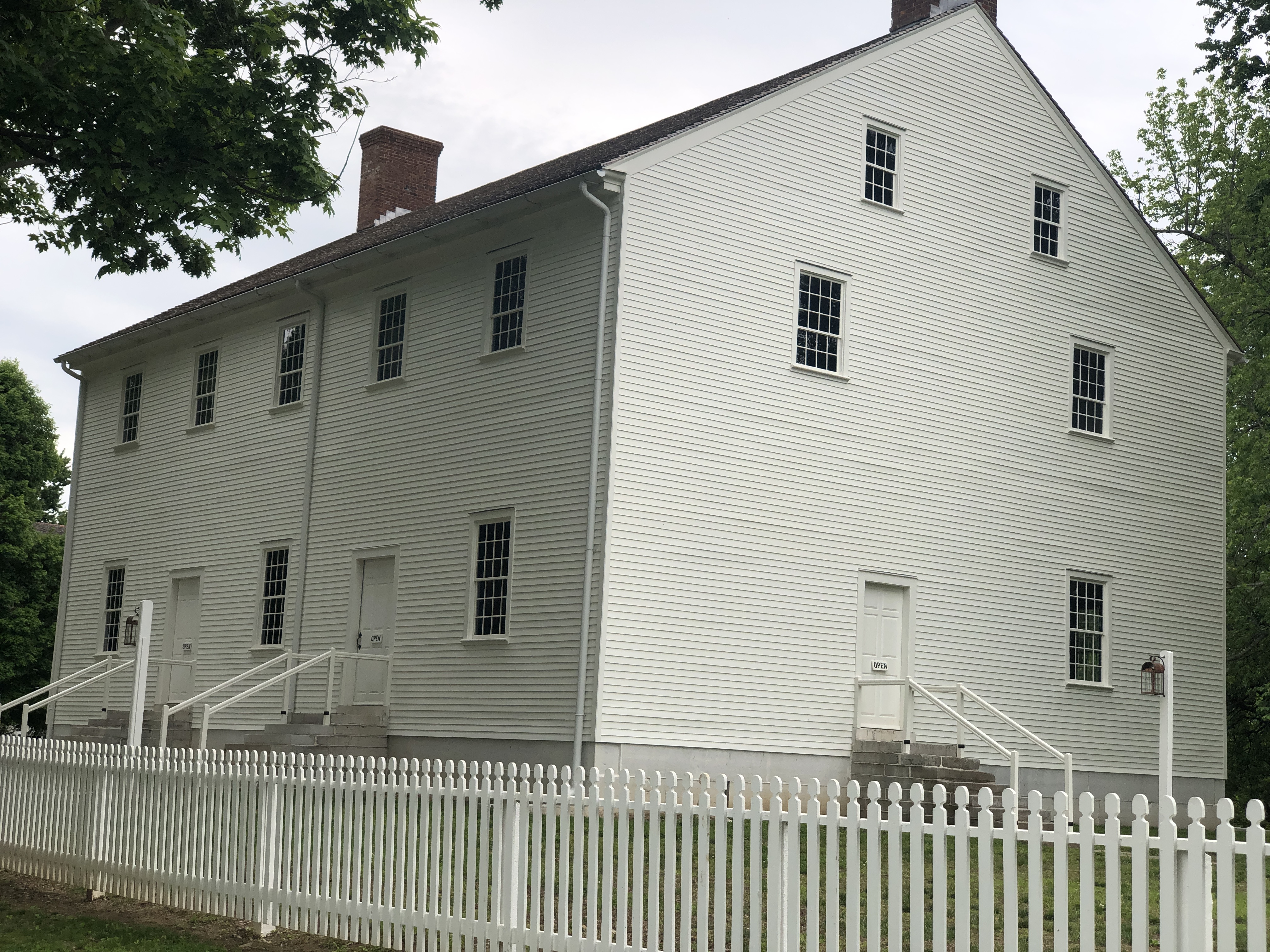
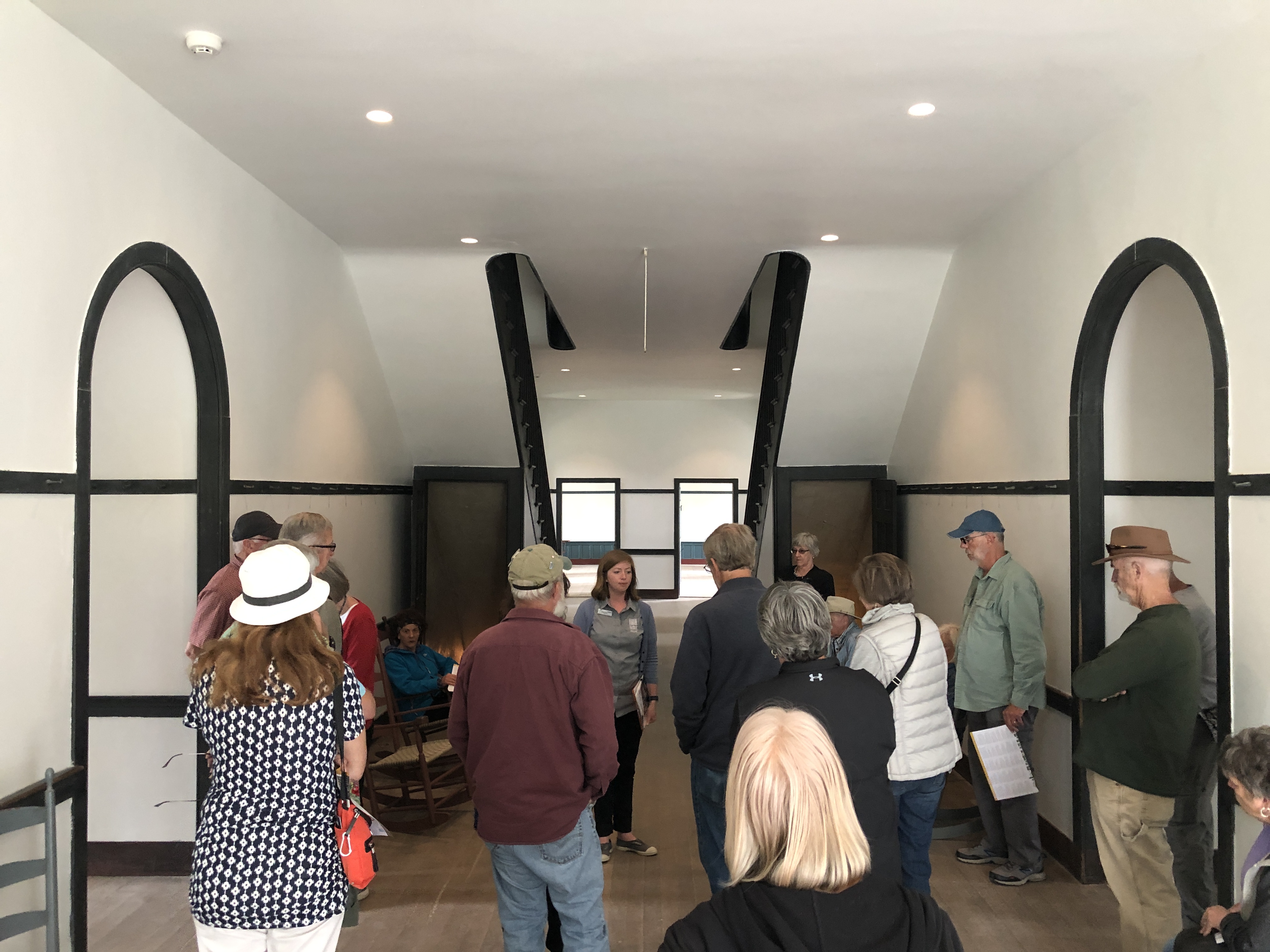
Notice the entry doors on these buildings:
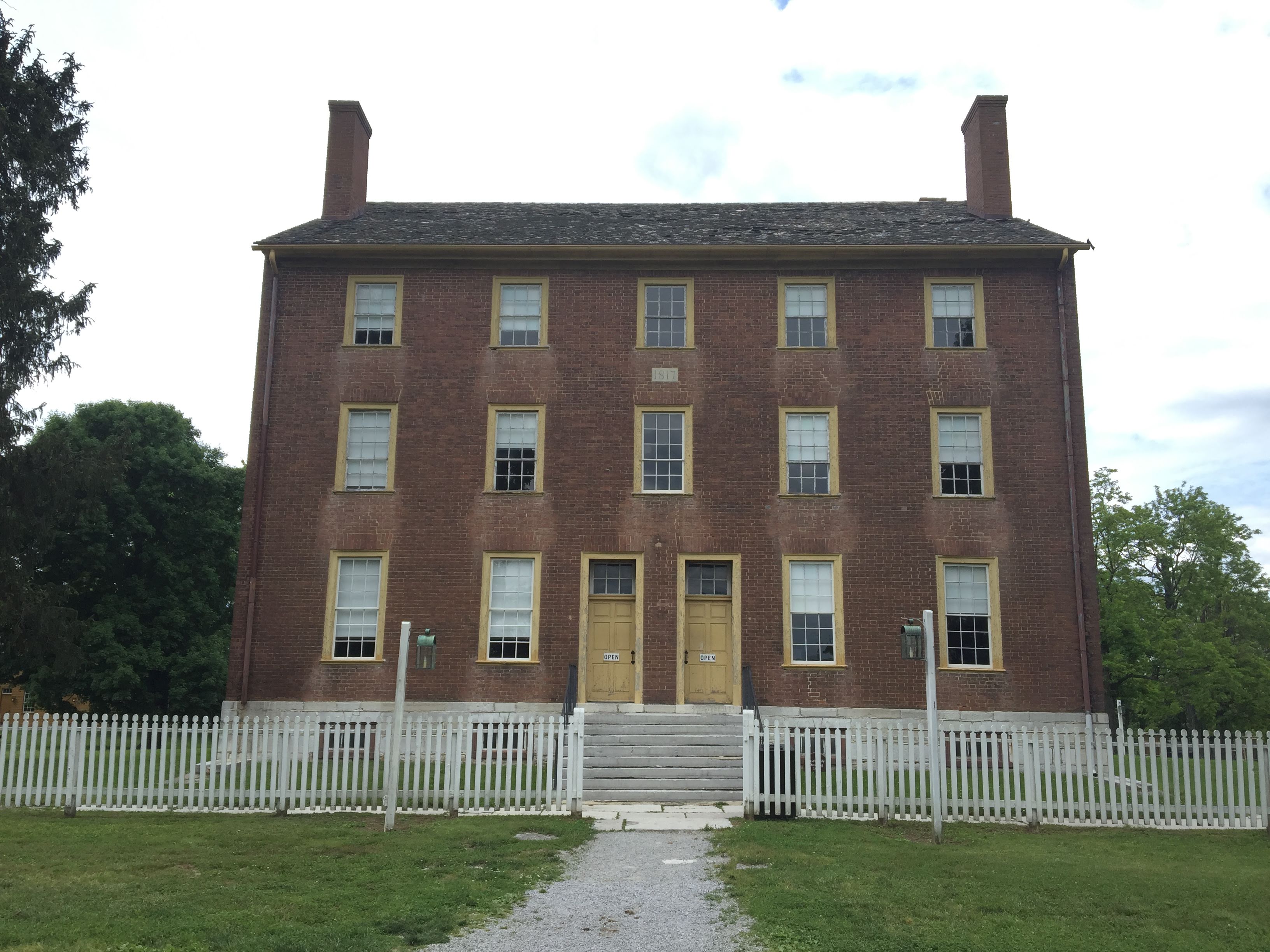
img_8856

img_2841img_2840

There are two entry doors – one for men and one for women.  Inside the entry hall you see two stairways – one for men and one for women.
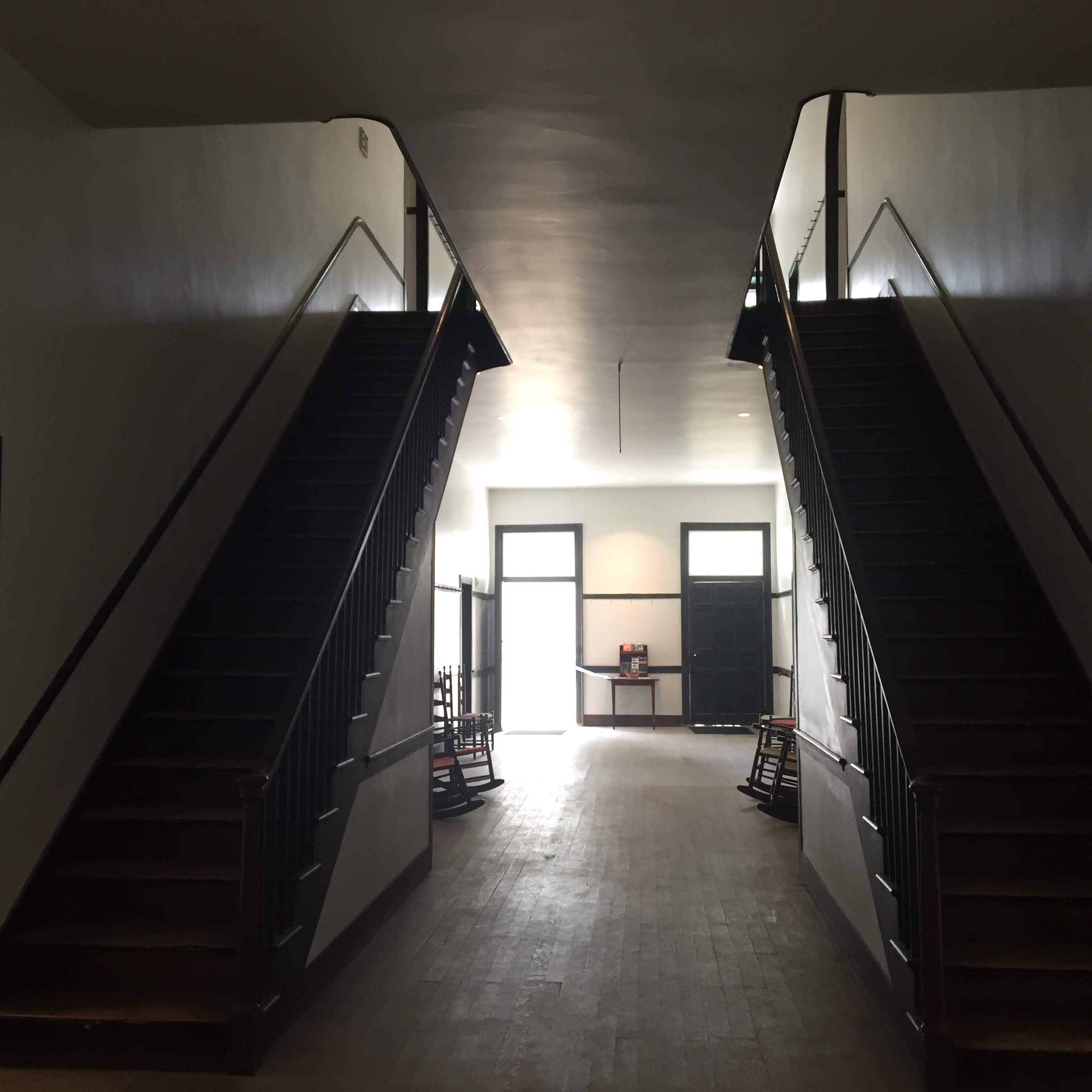
img_8847img_2843

Shakers were celibate.  Men and women were considered equals and they lived in the same buildings, but on separate sides.  By having wide hallways, and separate doors and stairways, it would eliminate the possibility of inadvertent touching…

Shakers were Christian post-millennialists; they believed that the second coming of Christ had already occurred in the form of their founder, Ann Lee.  Therefore, they were living in the thousand year reign of Christ, and their job was to create heaven here on earth.

At one time, the Shaker Village at Pleasant Hill had 500 residents, all living communally, having given over all their worldly assets to the village… There were 15 or so Shaker Villages around the country…

The last Shaker here died in 1922.  I wonder if, in her last years, “Maybe we didn’t get this thing quite right…”

The land had been sold, in exchange for a life estate for the remaining few residents.  Forty years after that last resident died the community bought back the land, and today the village is run as a tourist attraction…

We returned to the Villa, and spent the remainder of the afternoon packing and otherwise preparing for our airline flight to California day after tomorrow…

And an enjoyable time was had by all…

2019-05-13 – Airstream Caravan Travels – Springtime in Kentucky; Cumberland Falls, Corbin, KY – Day #19

Today we once again traveled into the green hills of Kentucky; all around us is the Daniel Boone National Forest.  We are headed to the State Park to see the Cumberland Falls and the Dupont Lodge…

img_2737img_2738img_2777img_2778img_2779

It was a lovely lodge.  Not as nice as the Grand Canyon North Rim Lodge, but still nice…

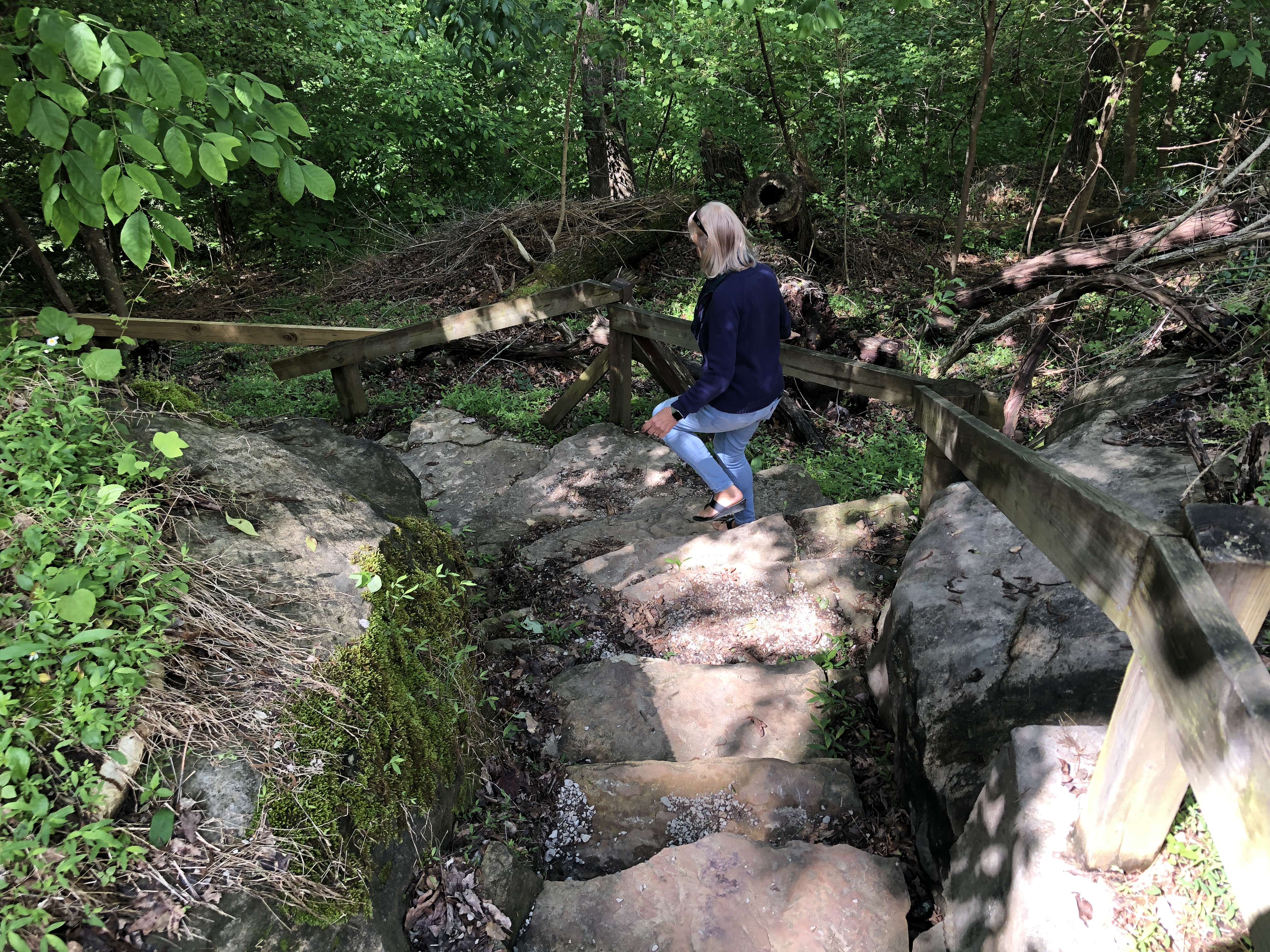
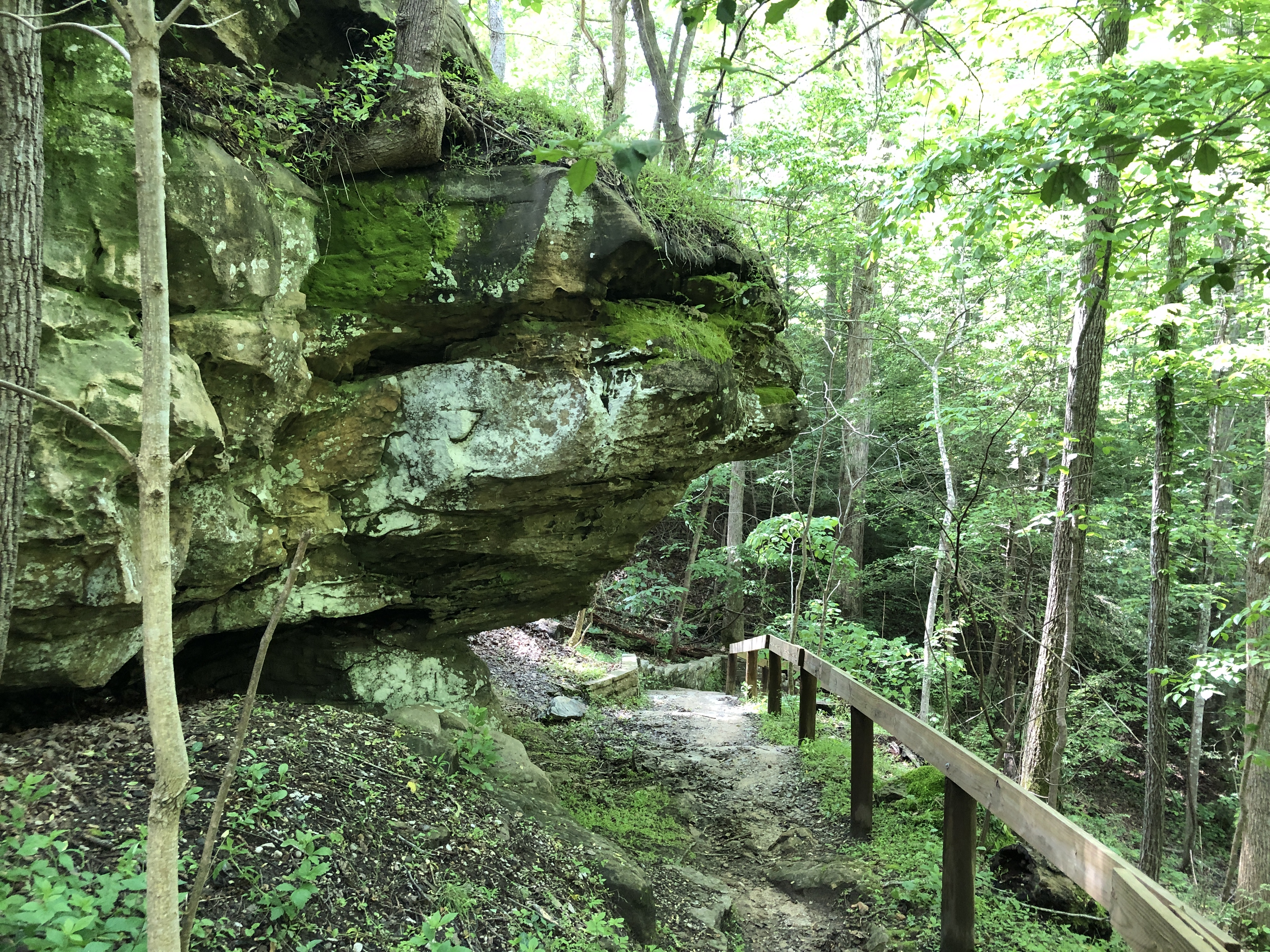
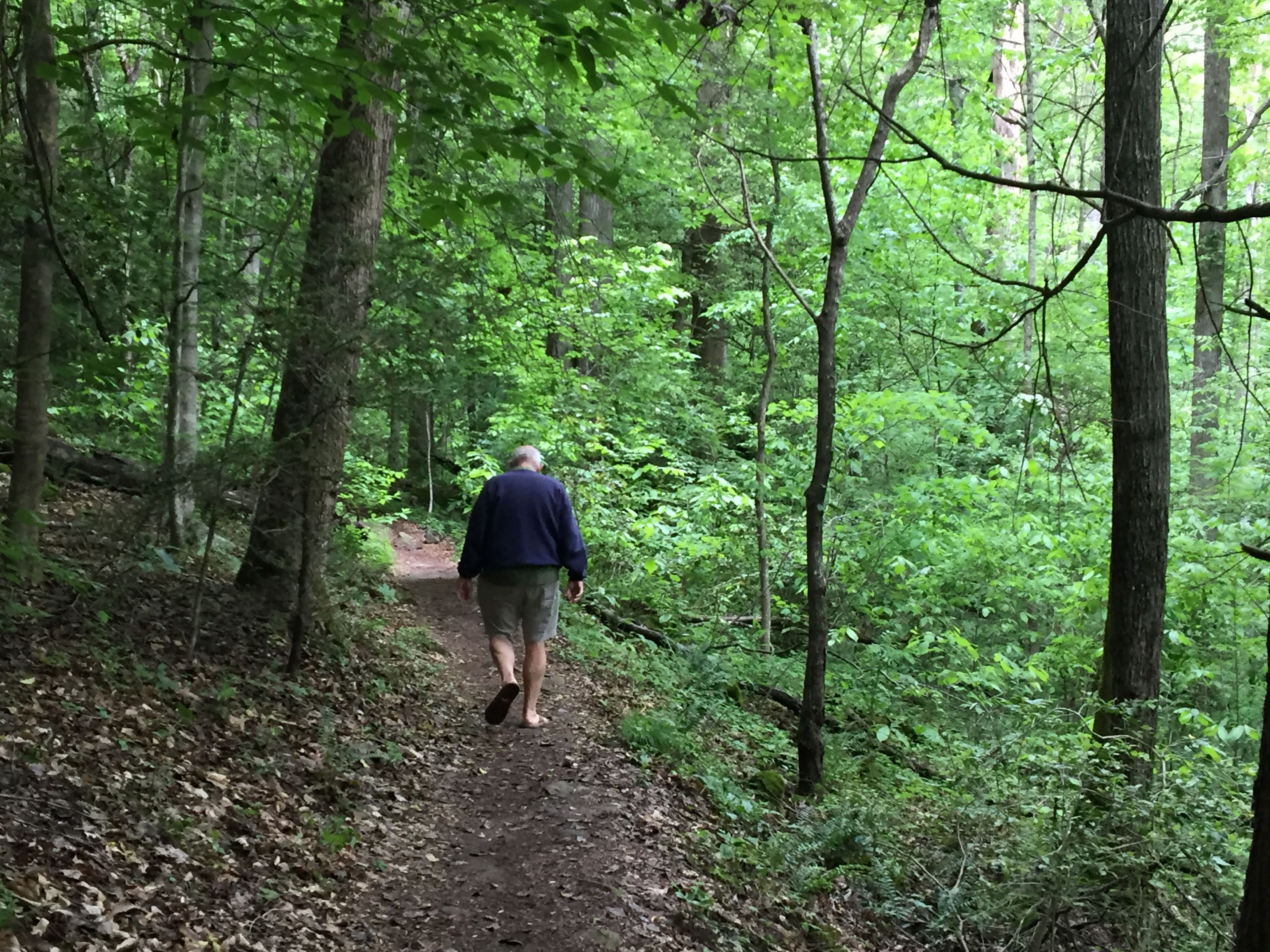
But before we could enjoy the lodge we walked 3/4 mile to the falls.  The path was wet, but fairly easy; there is a 270′ elevation change walking down to the falls…

img_2739img_2740img_2741

We could see the highway bridge over the Cumberland River far below…

img_2742

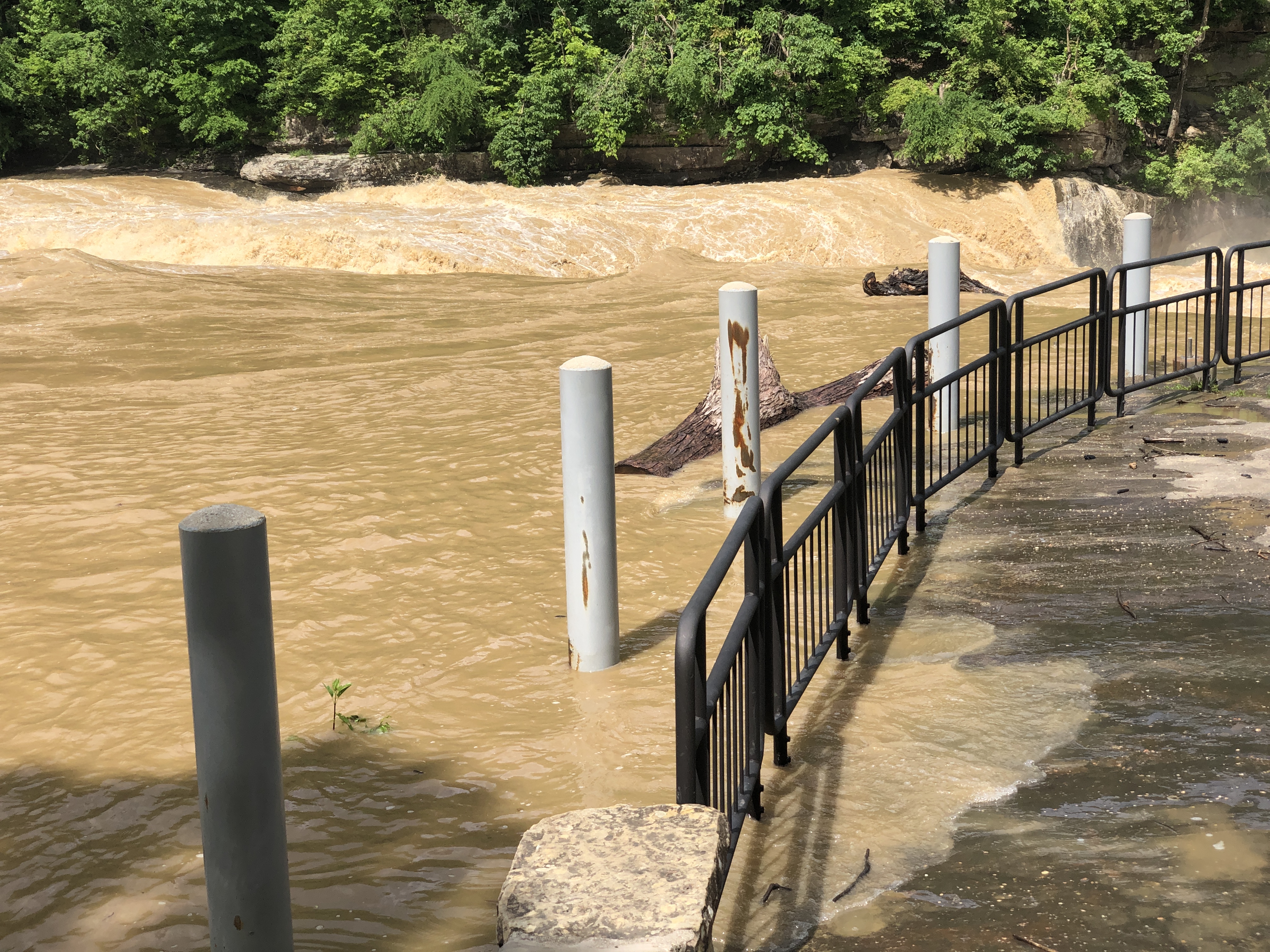
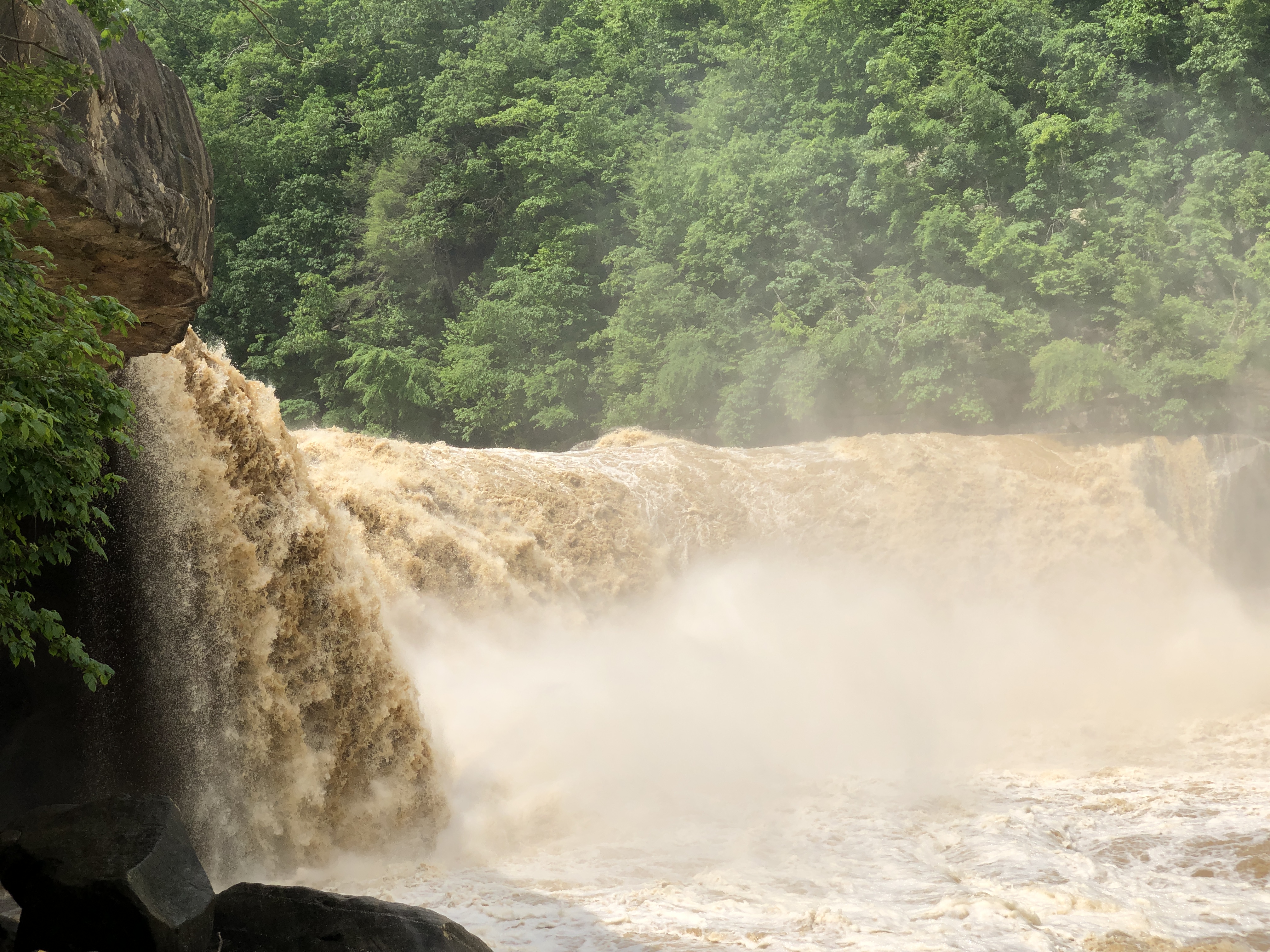
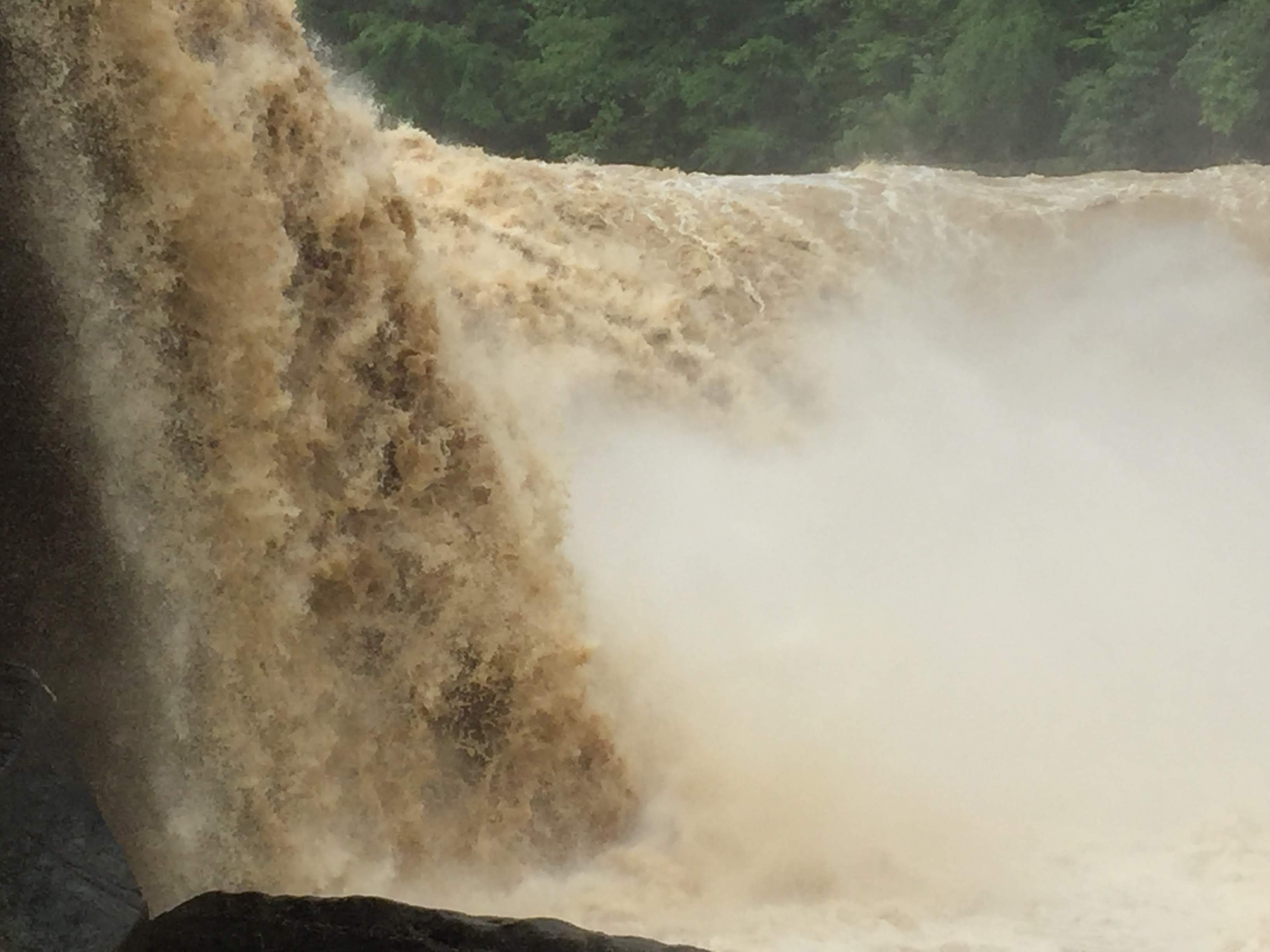
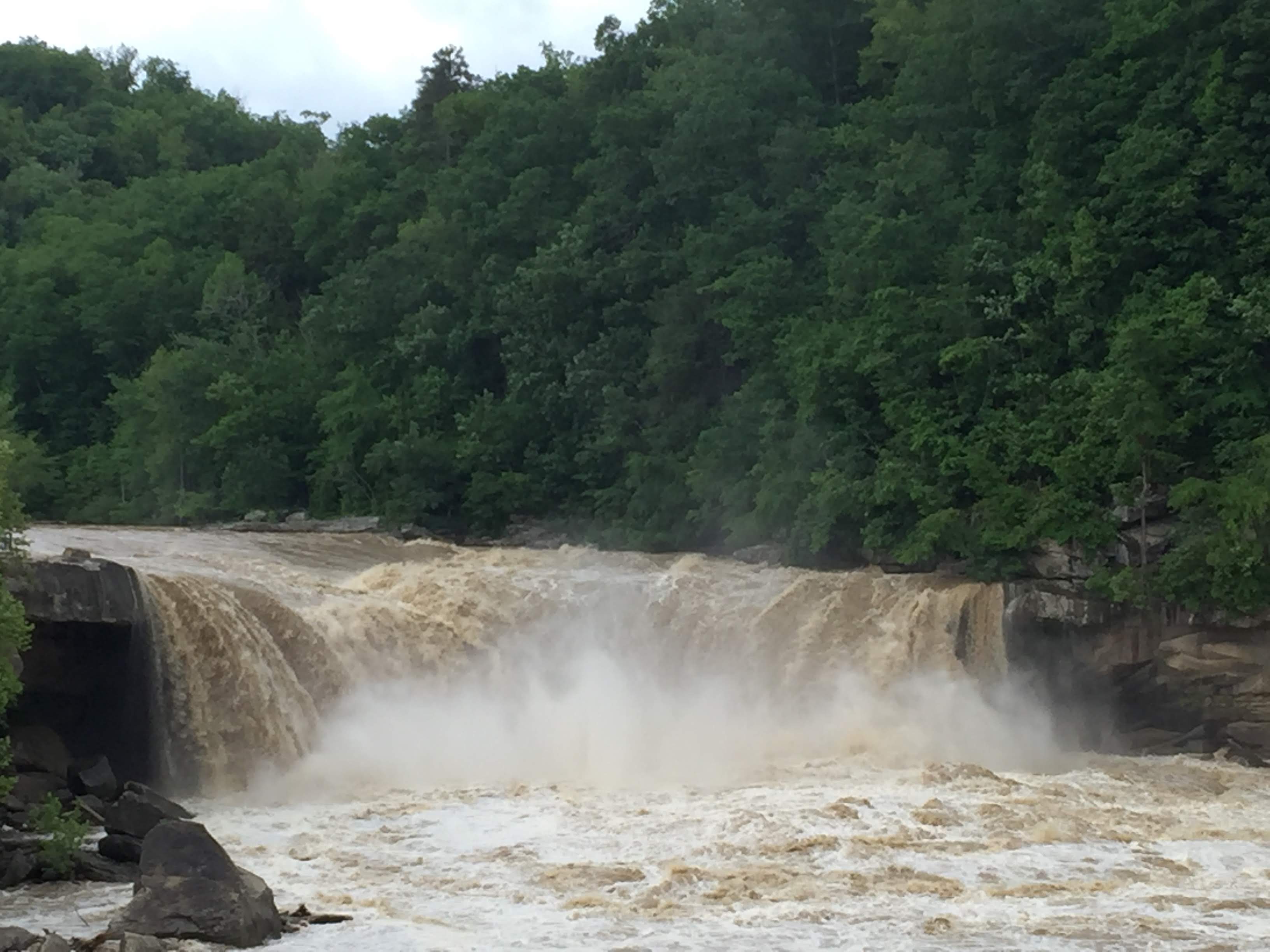
The raging river was lapping over this walkway…  There is about 10 times the normal water flow today due to melting snow up north and the recent rains locally… (thus, the muddy appearance…)

img_2752

We finally arrived at the falls… They were great!

img_2754

We went down below for a closer view…

img_8785img_2762img_2763

Did you know that over 280 people die each year taking selfies in dangerous locations?

img_2764img_8790img_8792

Further downstream we got a wider view…

img_8793img_8794

And then it was time to walk back up… But by now we were even further down.  We walked up 66 steps, then up the 270′ rise on the 3/4 mile path back up to the lodge…

img_2760-1img_2767img_8795img_2768

And then we sat down…

img_8799

Soon it was time for lunch…

img_8800img_8801

The food was decent and the view was great!

img_2776

We returned to the campground.  We stopped along the way for Lynda to get her hair cut, and we took the truck to the local Chevy dealer for an oil change.

We had an “Open House” so that we could peak into all the other Airstreams; this gave way to Happy Hours…

And an enjoyable time was had by all…
2019-05-14 – Airstream Caravan Travels – Springtime in Kentucky; Traveling to Renfro Valley, KY – Day #20

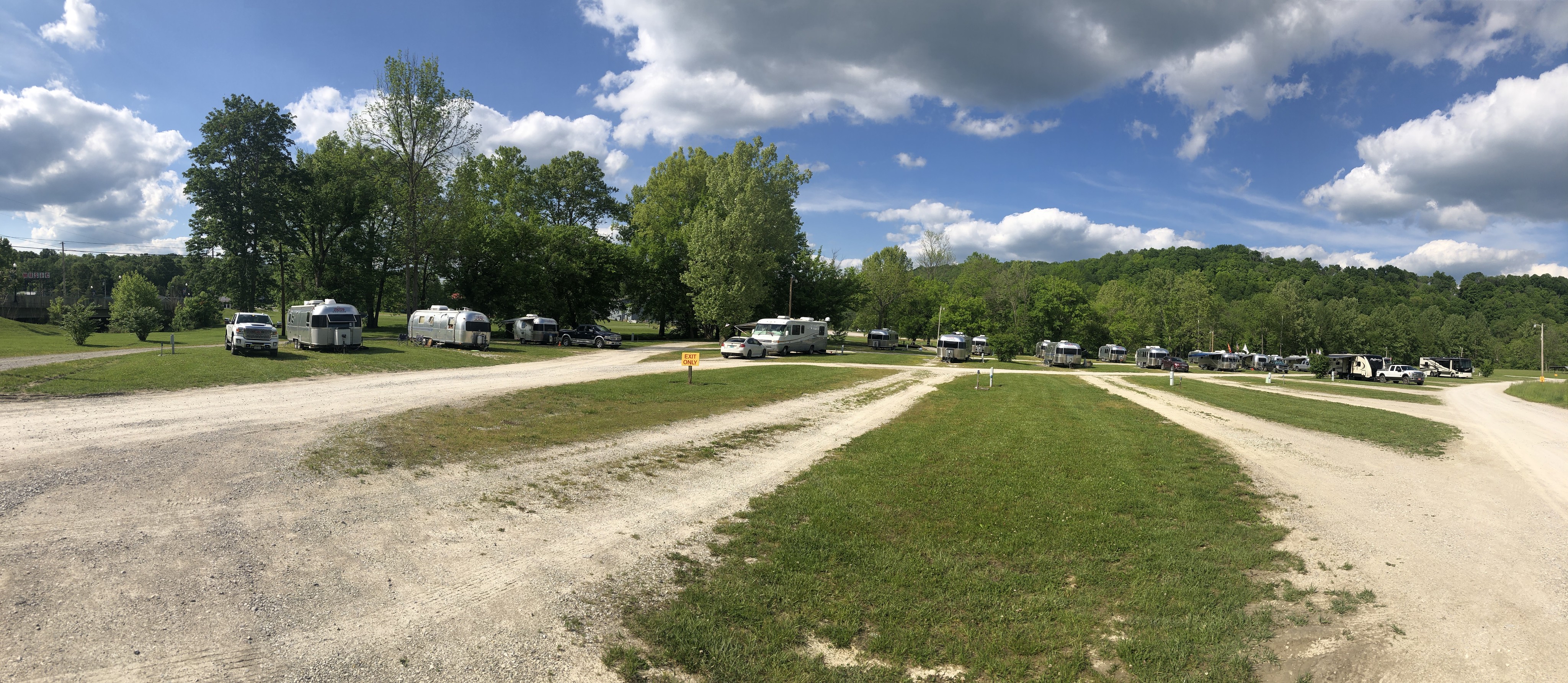
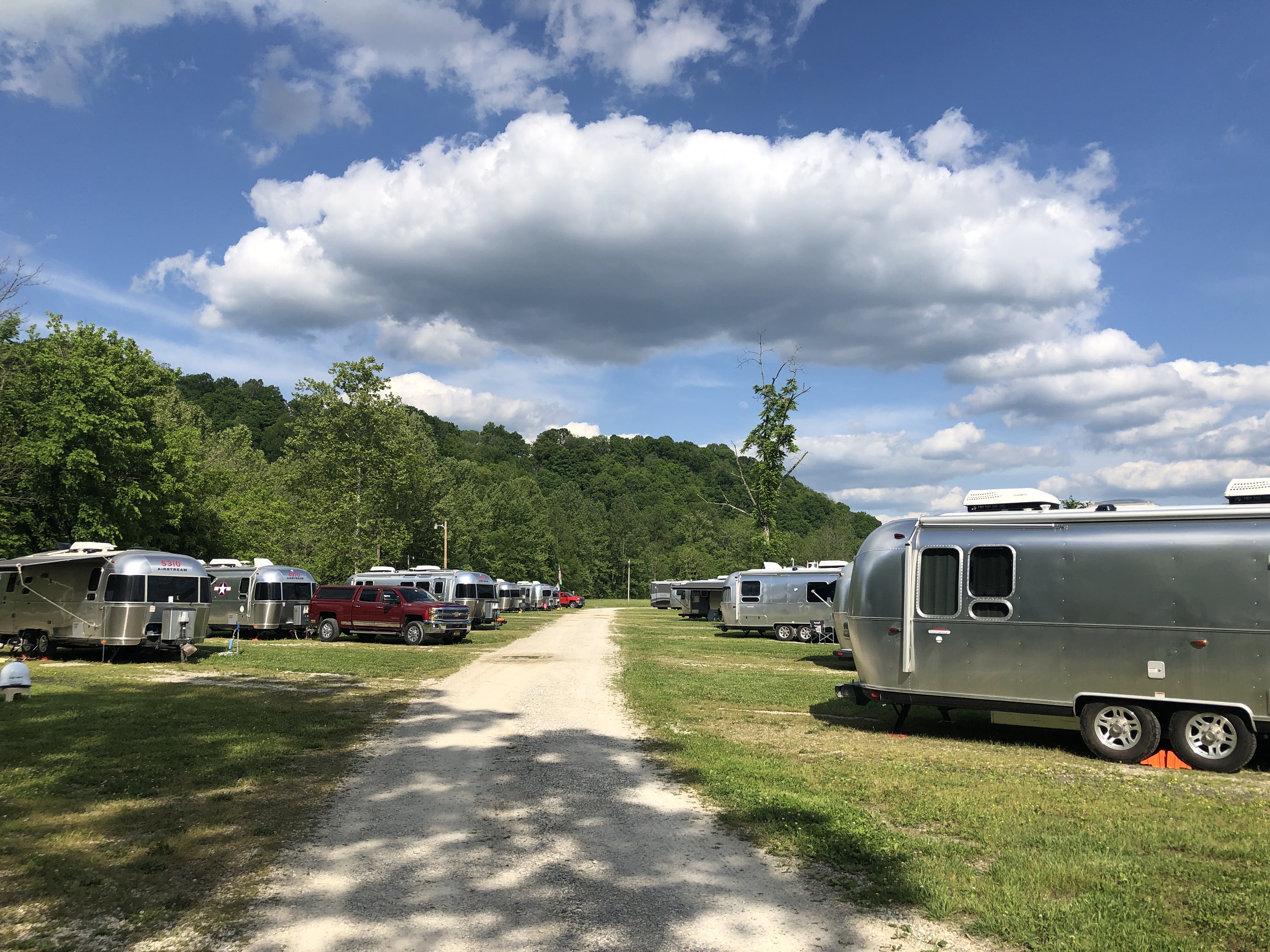
An easy travel day today.  We left London and drove about 30 miles north to Renfro Valley, the gateway to Mt. Vernon, KY.  We are at Creekside RV Park…

This is a wide open campground with large sites, but relatively primitive – gravel everywhere…

img_2793img_2794

We were “de-parkers” at the campground in London, KY; this means we checked out all the rigs as they left the campground to make sure lights worked, doors were locked, things like that… So we were the last to leave, and the last to arrive at this new campground.

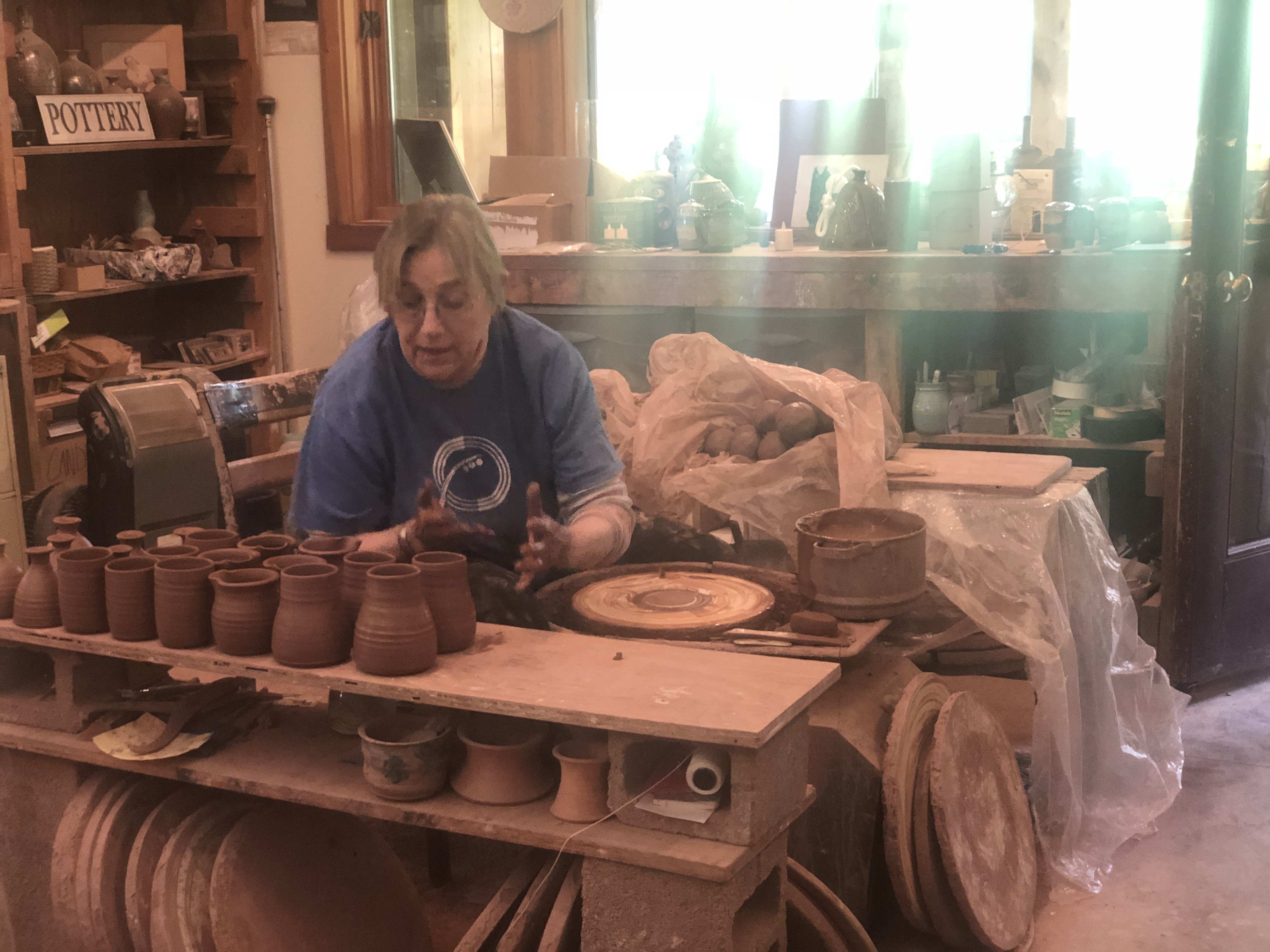
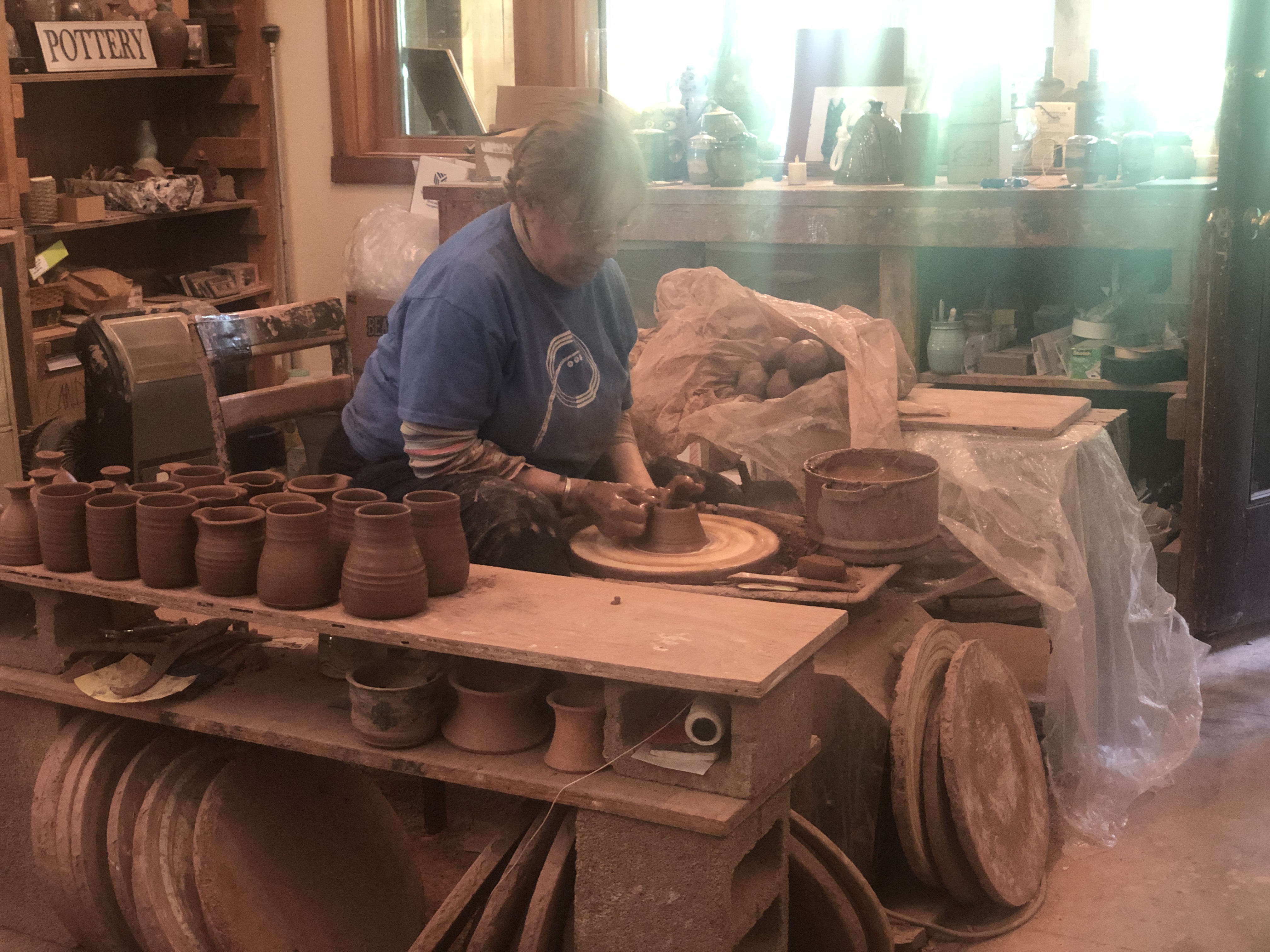
Shortly after we were set we left for the town of Berea, home of Berea College.  More on the college later, but we moved on to the Tater Knob Pottery Studio.  We watched and learned how pots are “thrown”.  These people have been making pots and earning a living at it for 40 years… She is so talented that she can make a 60 piece set of dinnerware in a day…

img_2781img_2782

Today she was making these mugs…

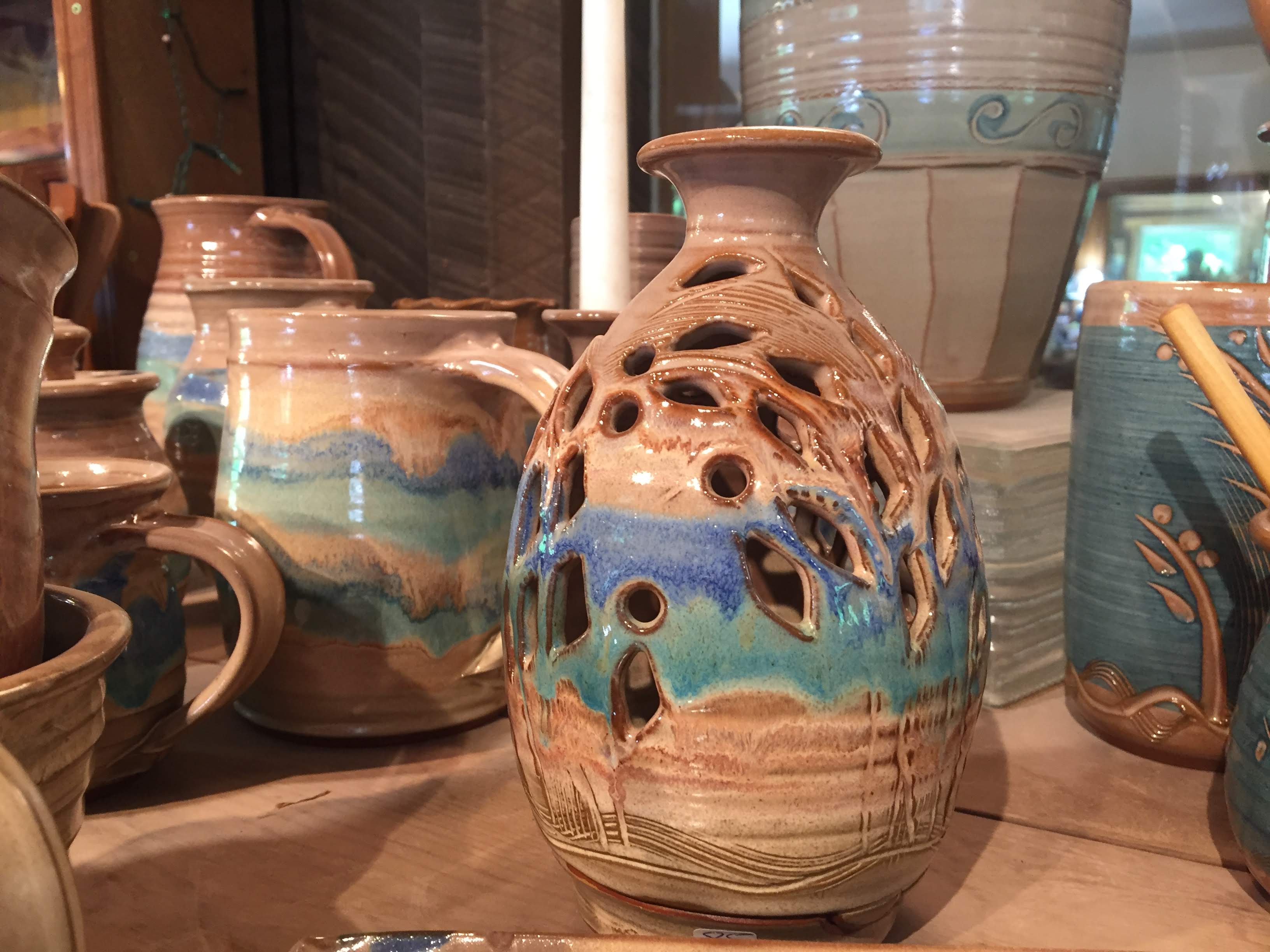
They also make bells and lumieres.  We bought one to keep a candle lit on our front porch…

img_8812

(Ours is almost all blue…)

We returned to Berea and visited the historic Boone Tavern…

img_2787img_2788img_2786

This entire block is owned and operated by Berea College.  Berea College is distinctive among institutions of higher learning.  Founded in 1855 as the first interracial and coeducational college in the South, Berea charges no tuition and admits only academically promising students, primarily from Appalachia, who have limited economic resources.  Berea’s cost of educating a student for four years is nearly $100,000.

Berea College offers rigorous undergraduate academic programs leading to Bachelor of Arts and Bachelor of Science degrees in 28 fields.  All students work at least 10 hours per week in campus and service jobs in more than 130 departments.

The College has an inclusive Christian character, expressed in its motto “God has made of one blood all peoples of the Earth” (Acts 17:26).

Berea’s primary service region is the Southern Appalachian region, but students come from all states in the U.S. and in a typical year, from more than 60 other countries representing a rich diversity of colors, cultures, and faiths. About one in three students represents an ethnic minority.

Berea College continues to build upon a distinctive history of more than 150 years of  learning, labor and service, and find new ways to apply their mission (the Great Commitments) to contemporary times by promoting kinship among all people, serving communities in Appalachia and beyond and living sustainably to conserve limited natural resources.

It is a beautiful, traditional-looking campus… This block with the hotel, restaurant, and events center also includes a coffee house, a crafts store, a shop with hand-made wooden dulcimers, and other related businesses…

The hotel began when the constant stream of visitors to the college and the city became too much of a burden to for Nellie Frost, the college president’s wife.  In one summer alone she hosted over 300 visitors in her house!  Finally she convinced the college to open a guest house in 1909; the guest house grew into the hotel we see today under the direction of  of Richard Hougen, who was general manager of the hotel from 1940 to 1976.

We will be having our “Final Banquet” here on May 16…


We returned to the Villa; Happy Hours ensued; an enjoyable time was had by all…

2019-05-12 – Airstream Caravan Travels – Springtime in Kentucky; Big South Fork Scenic Railway – Day #18

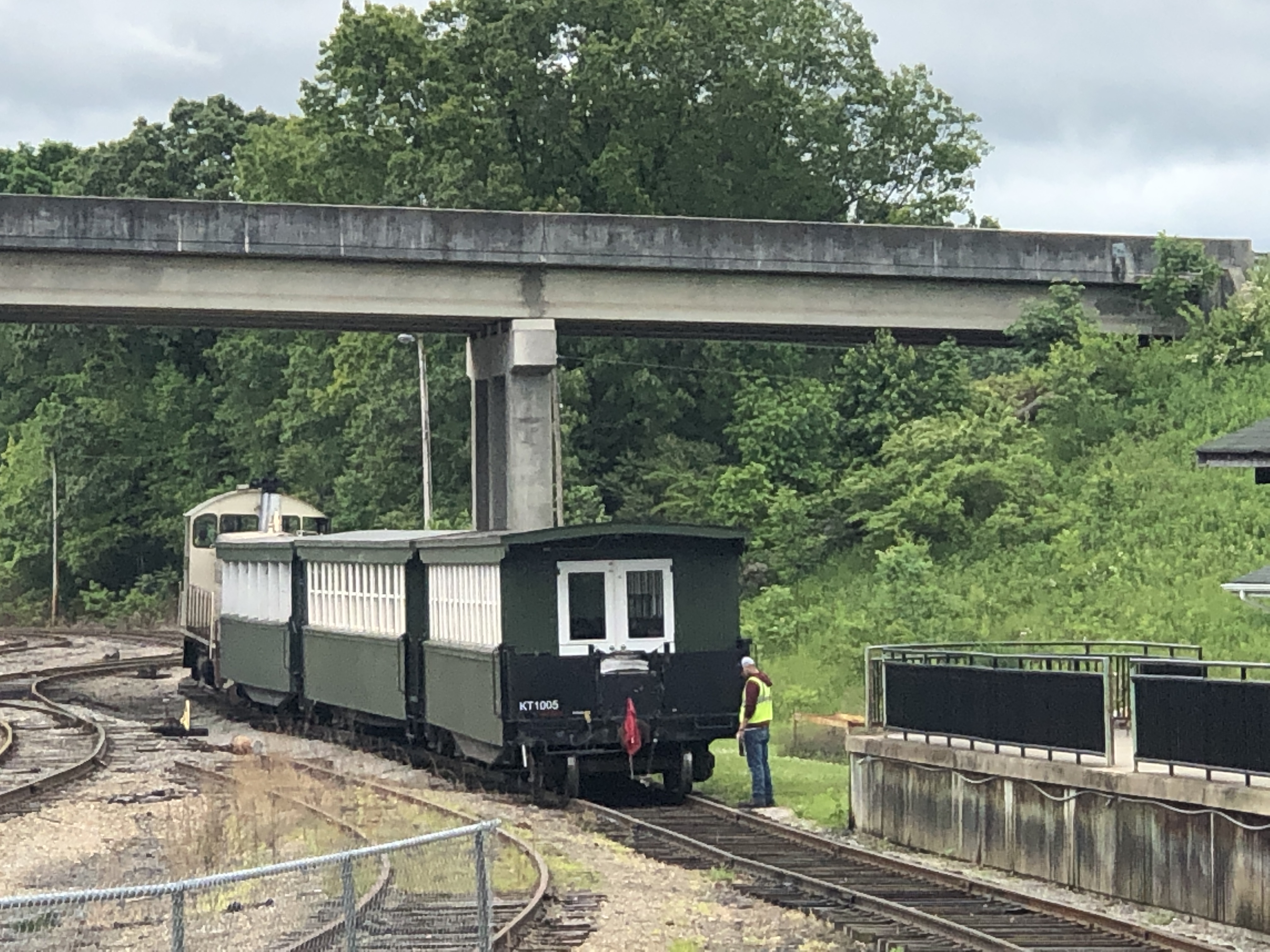
Our first excursion in the London area was to the Big South Fork Scenic Railway, about one hour south of here, in Stearns, KY, near the Tennessee border.  This is also adjacent to the Daniel Boone National Forest…

Stearns, KY, is another one of the many small, thriving, towns which died in the 1950s.  At one time Stearns was a bustling industrial town of 10,000 – 15,000 people.  Today there are fewer than 1,600 people here.  The only remnants of the town, besides the few houses, are the Big South Fork Scenic Railway, along with the few remaining buildings that were once operated by the Stearns Coal and Lumber Company.

Stores adjacent to the train depot:

img_2703

This building now houses the museum; it once was the headquarters office building of the Stearns Coal and Lumber Company; it also housed the telephone exchange and the local bank…

img_2704

The train was awaiting our arrival…

img_2701

We had a lovely drive again, through miles and miles of tree-covered hills as far as the eye can see… After we arrived and procured our train tickets, we toured the museum.  There was the usual assortment of memorabilia plus photos showing the once-thriving town…

We enjoyed our box lunch, then waited for the train…

img_8747

And here it is!

img_2708

The cars may be vintage, but they are nicely finished inside… Soon we were underway.  The train’s planned destination was the Blue Heron Mining Community – a National Park Interpretive Center.

Blue Heron, or Mine 18, is an abandoned coal mining town.  It was a part of the Stearns Coal and Lumber Company’s past operation in what today is the Big South Fork National River and Recreation Area, a unit of the National Park Service.  Most of what we know about life at Blue Heron, and the other Stearns coal towns, has been handed down through oral history.  Blue Heron mine operated from 1937 until it closed in December
1962.  During that time hundreds of people lived and worked in the isolated community on the banks of the Big South Fork River.  Their story is the focus of this interpretive tour of the Blue Heron Community.

When the Stearns Coal and Lumber Company abandoned Blue Heron in 1962, the buildings were either removed or they lapsed into decay.  There were no original buildings standing when the town was “re-created” as an interpretive center in the 1980s.  Consequently, the town was restored in an “open-air” museum format, and new structures were constructed on the approximate site of several of the original buildings. These new structures are open, metal shells of buildings, and are referred to as “ghost structures.”  Each ghost structure has an audio-tape station with recorded recollections of some of the people of Mine 18.

Unfortunately, recent winter storms damaged the train tracks, so Blue Heron is no longer reached by the railroad.  Big South Fork Scenic Railway is now the railroad to nowhere.  We rode about 1/2 hour, enjoying the scenery…

img_2710img_2713img_2714

Some passengers took a nap…

img_2736

Plenty of green…

img_2716

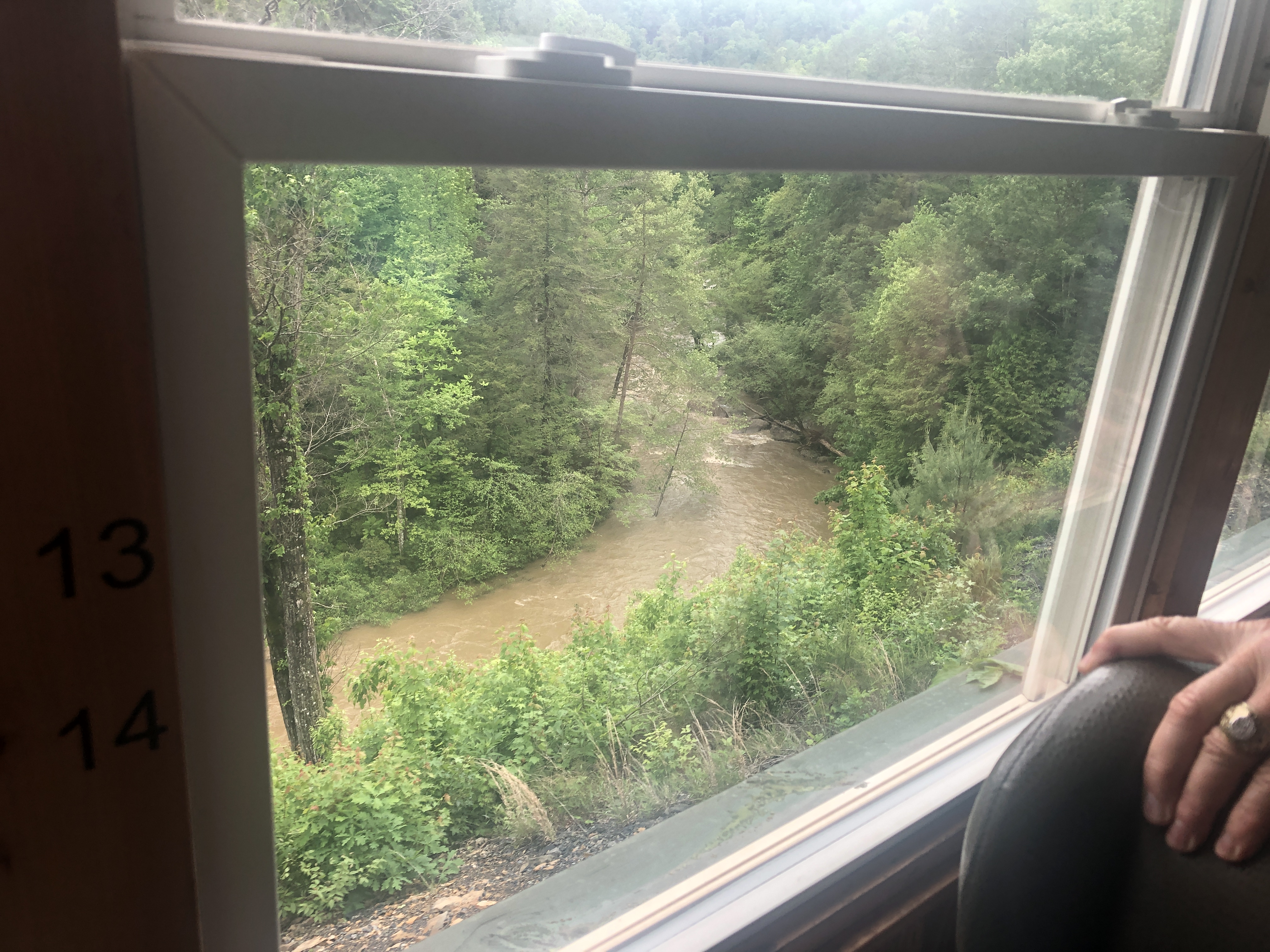
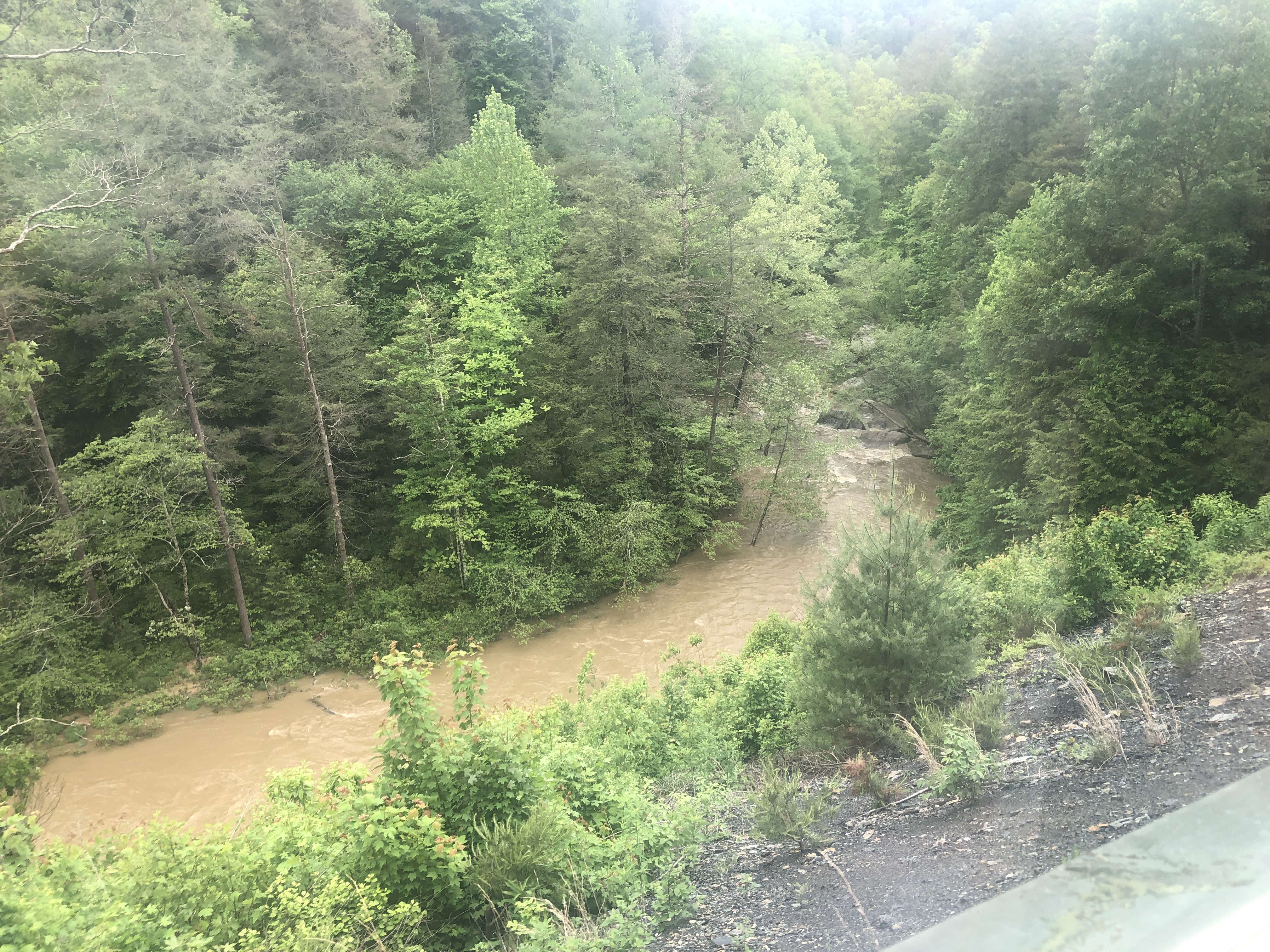
And wet… The train announcer told us that yesterday the creek was running slow and crystal clear… Remember the rain we had last night?

img_2718img_2719

And then the train stopped, and we backed up for 1/2 hour until we returned to the depot.  Some caravanners drove on to Blue Heron, but we, and others, returned to the campground…

There were many happy hours groups at several of the Airstreams this evening.  Some Airstreamers were happier than others…

img_2732

And an enjoyable time was had by all…

Blog at WordPress.com.

Up ↑