Search

Adventures in the Villa

Category

New Mexico

2018-09-03 – WBCCI 2018 Southwest Adventure Caravan – Day 16 – Traveling from Mesa Verde to Utah…

Travel Day.  The Villa is on the move…!

Early mornings, the deer come to visit…

img_4854img_4856

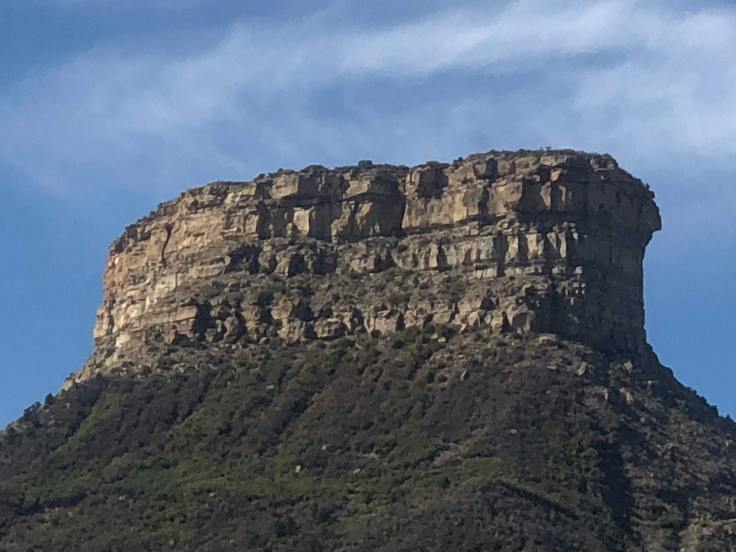
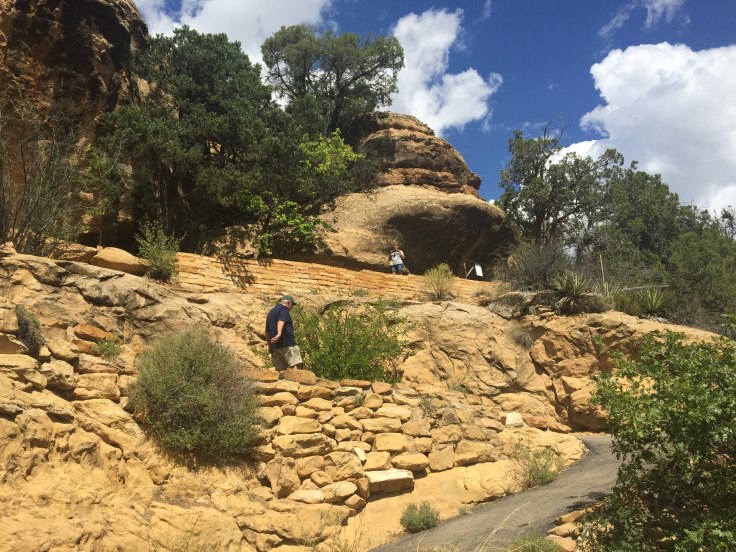
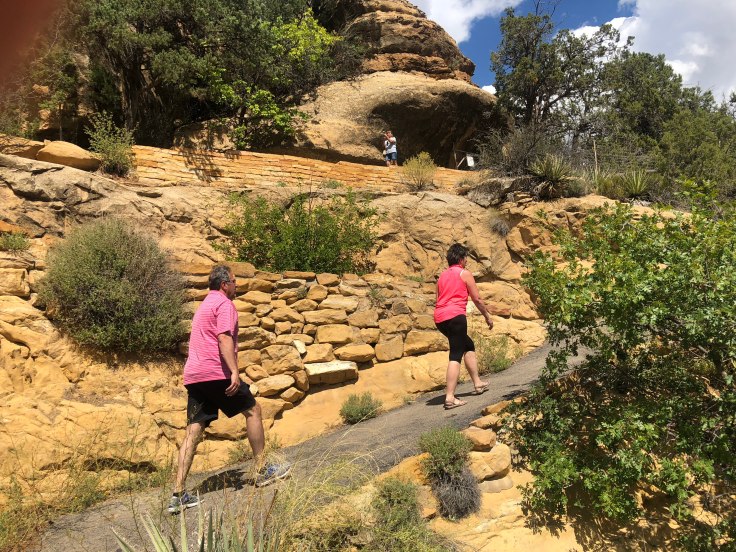
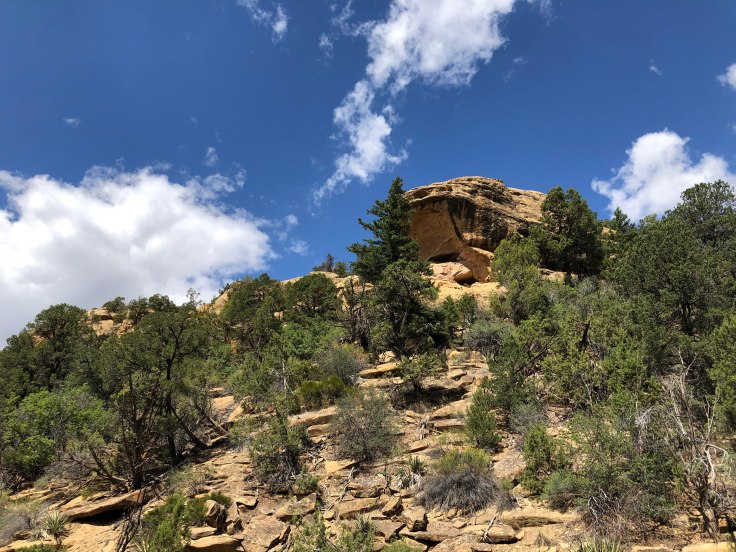
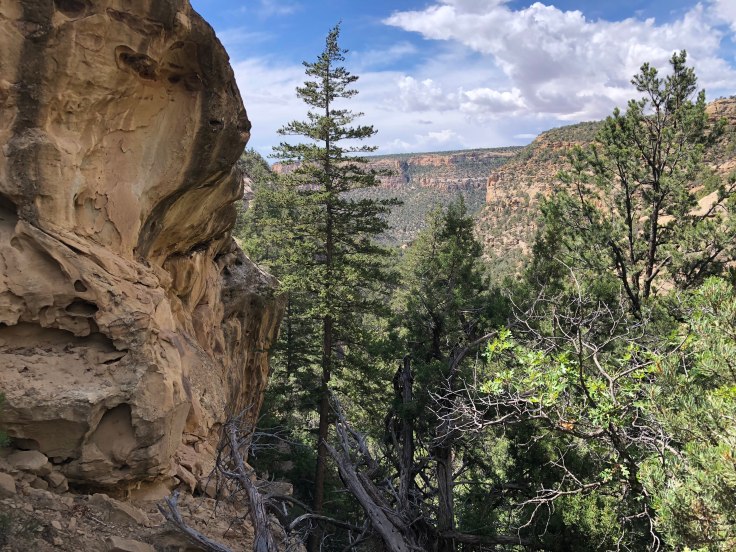
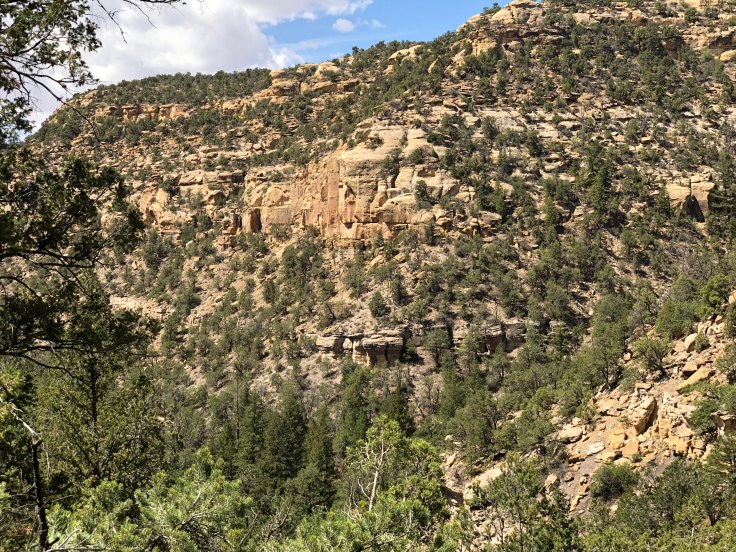
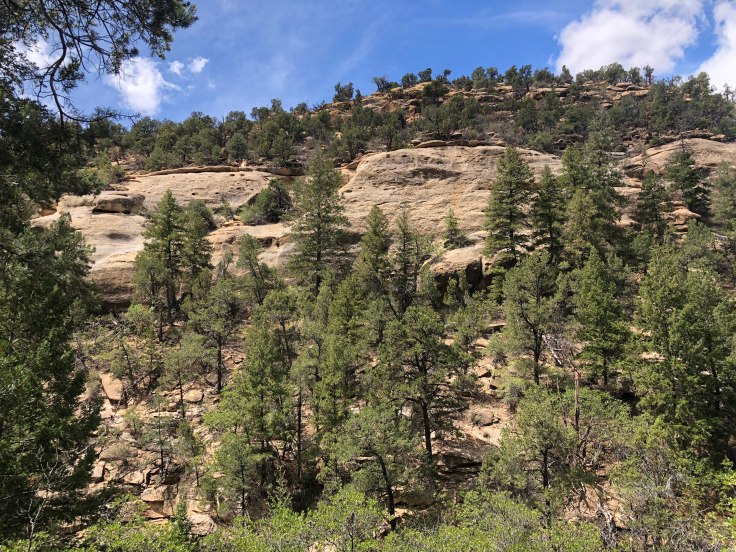
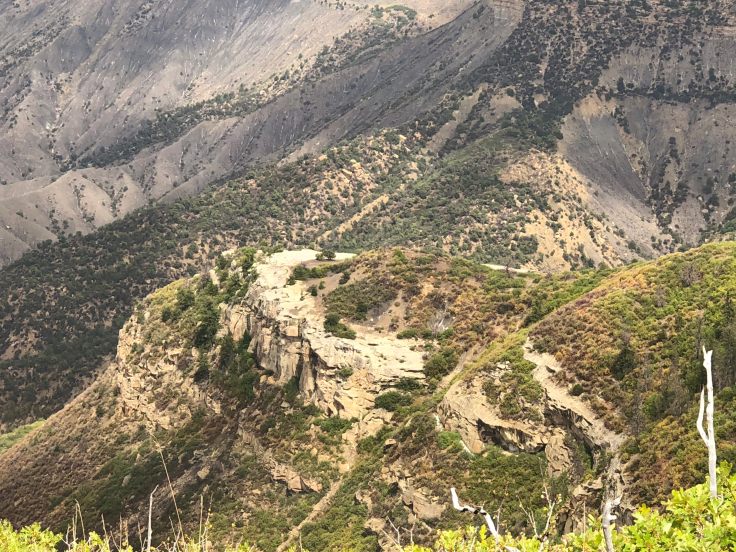
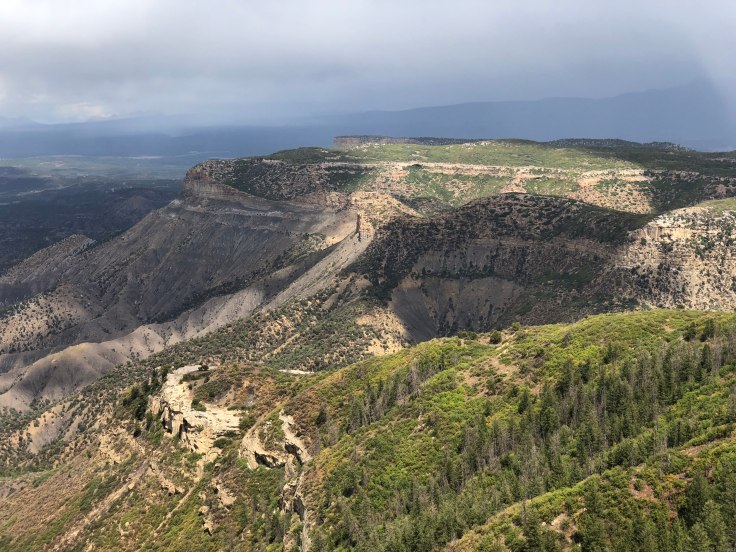
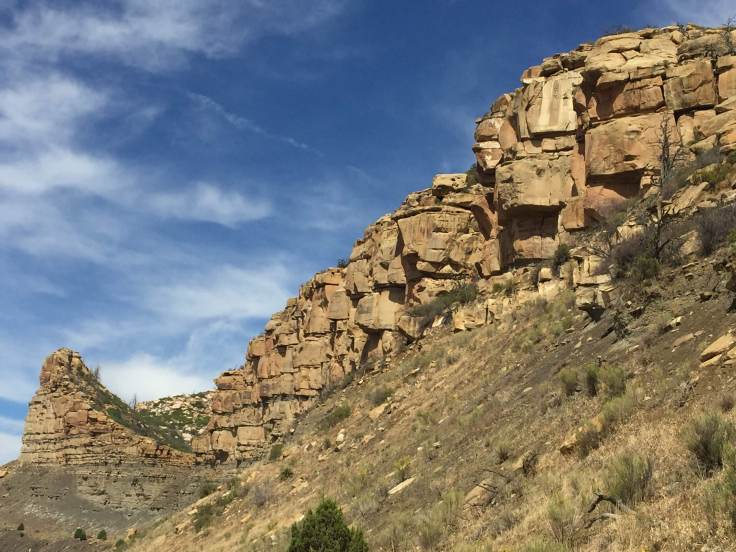
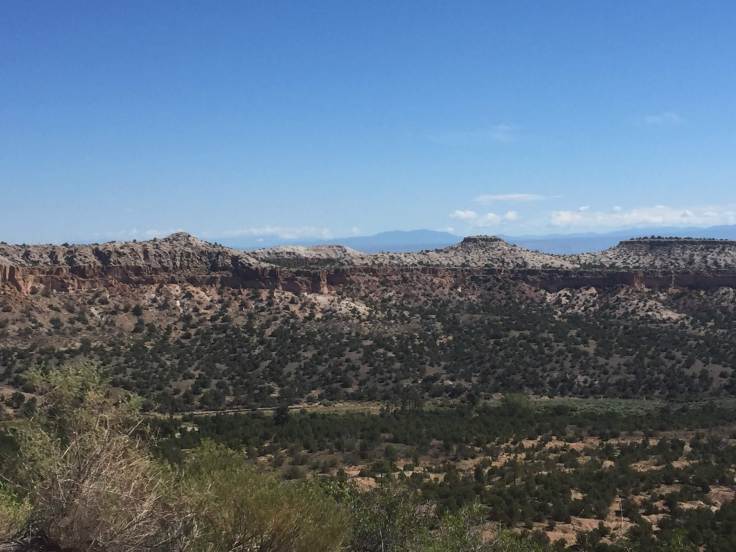
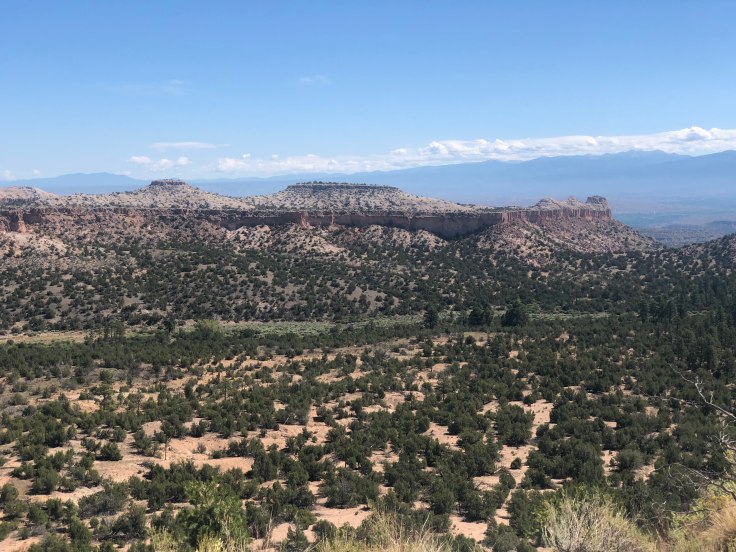
This is the hill we hiked to yesterday… The photos we took were from the top of the rock…

img_7116img_7117

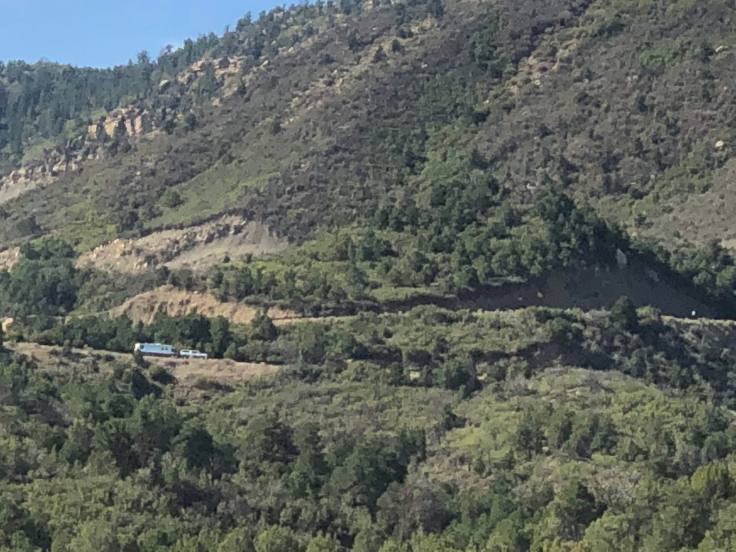
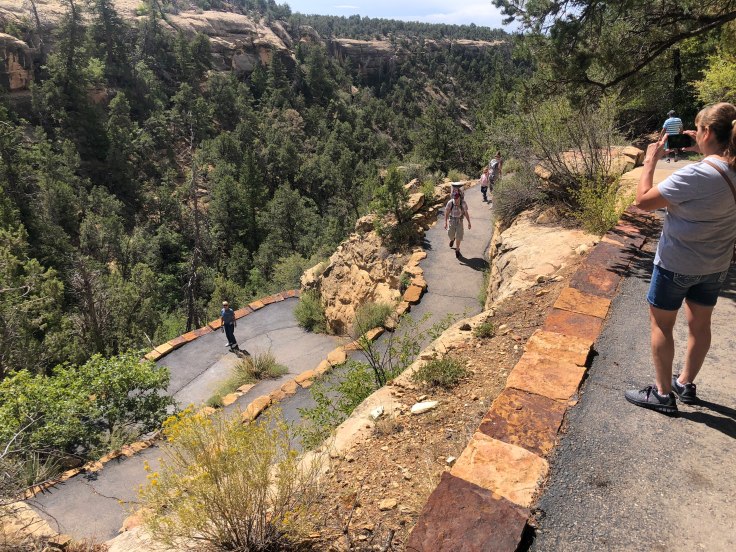
The switchback roads we saw from the top are here – we drove down the road this morning on our way out of the park…

img_7118

img_7119

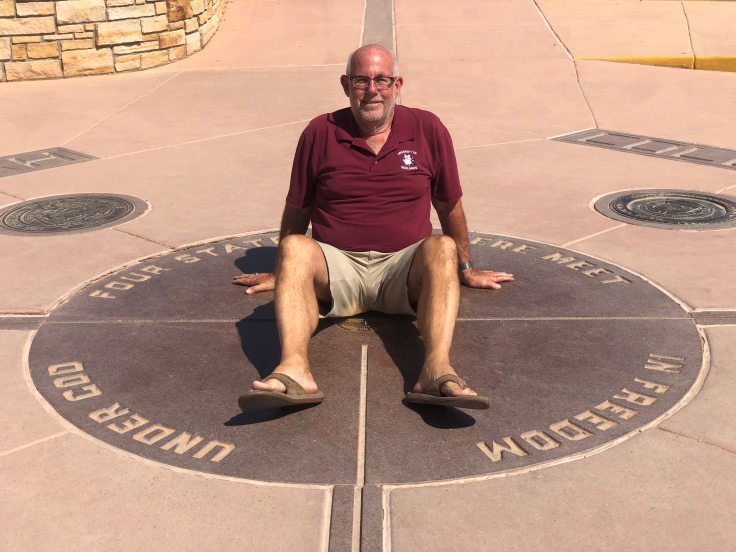
We stopped at the Four Corners Monument: Utah, Arizona, New Mexico, Colorado…

img_7123img_7125img_7128

A few other members of the caravan were there, too…

img_7120

We continued on, driving through New Mexico and Colorado, until we finally found Utah…


img_4861

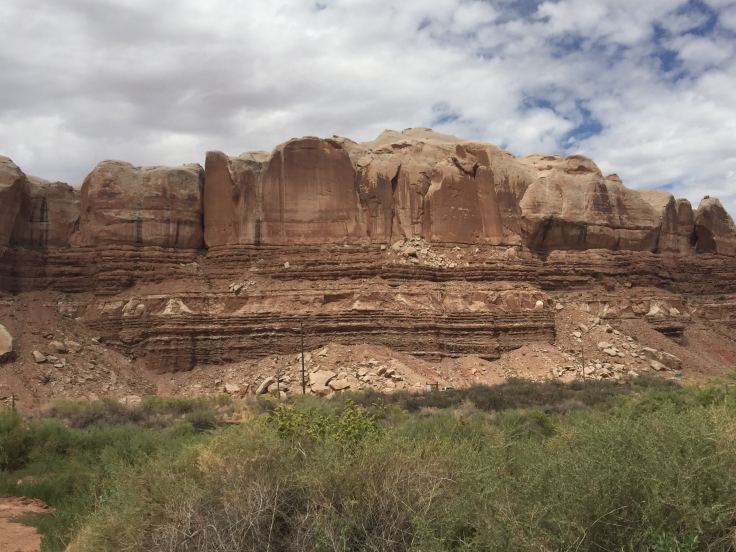
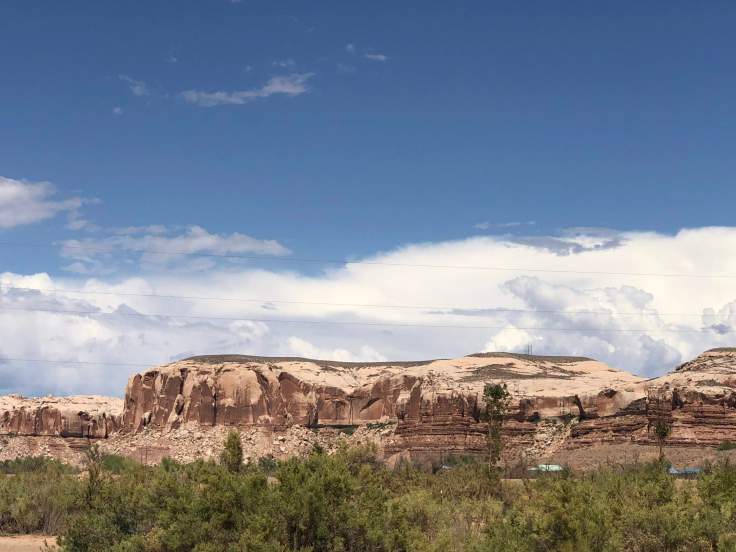
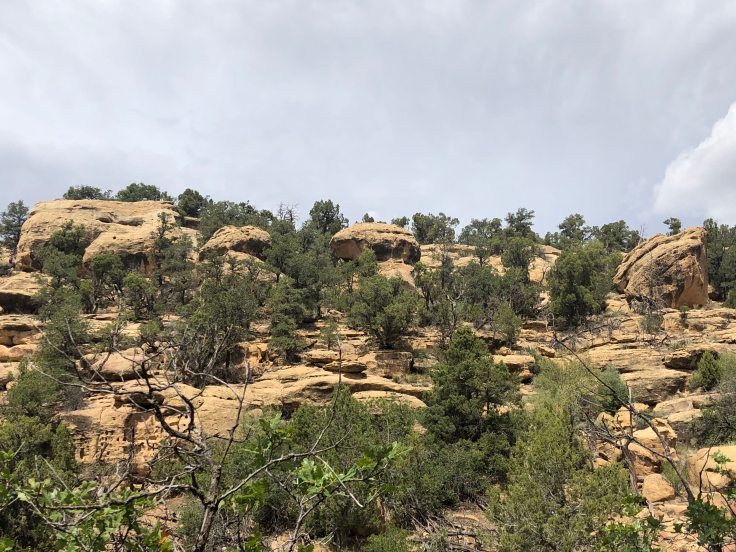
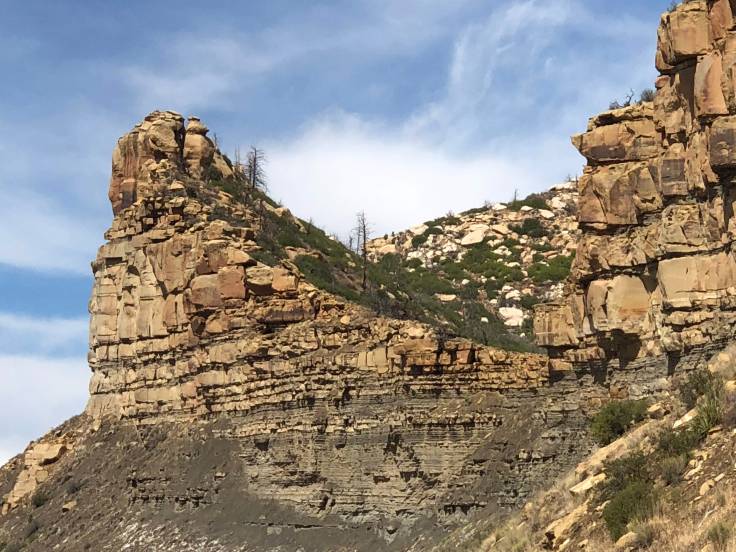
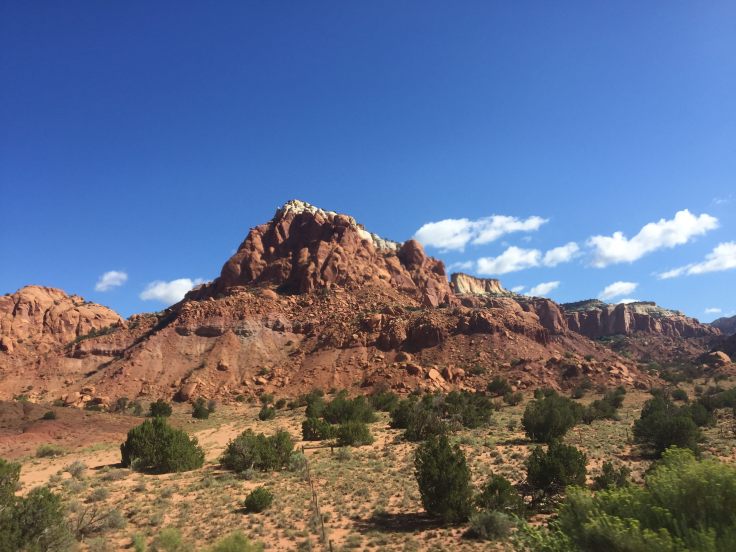
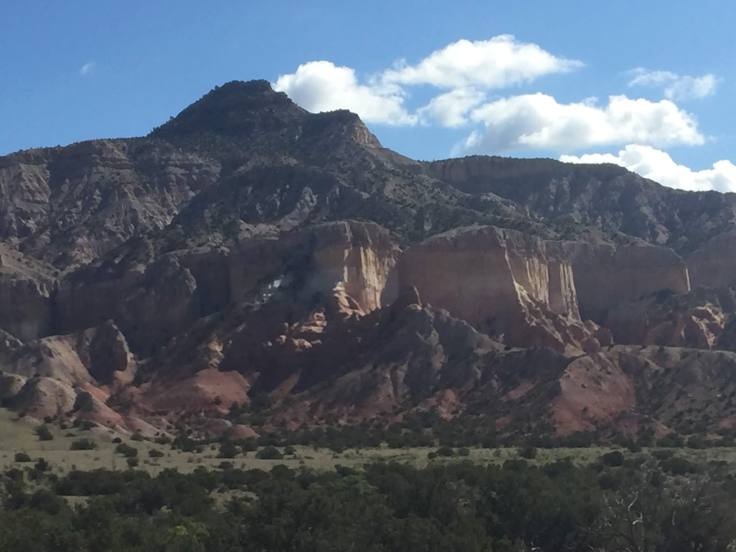
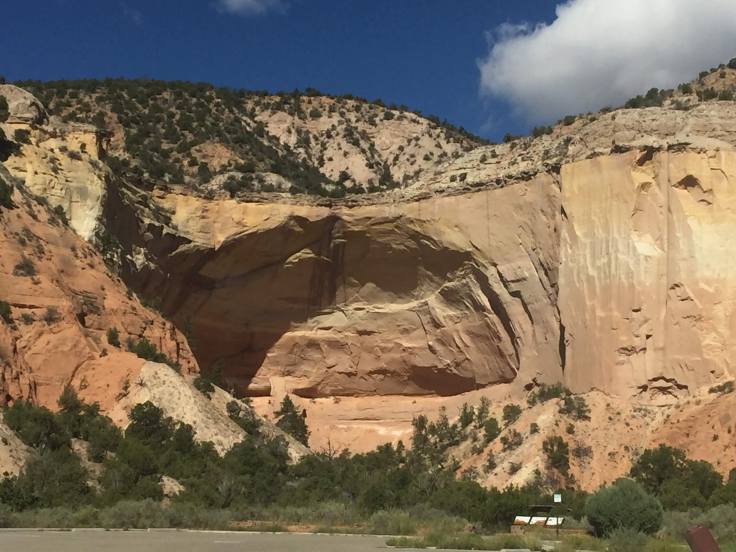
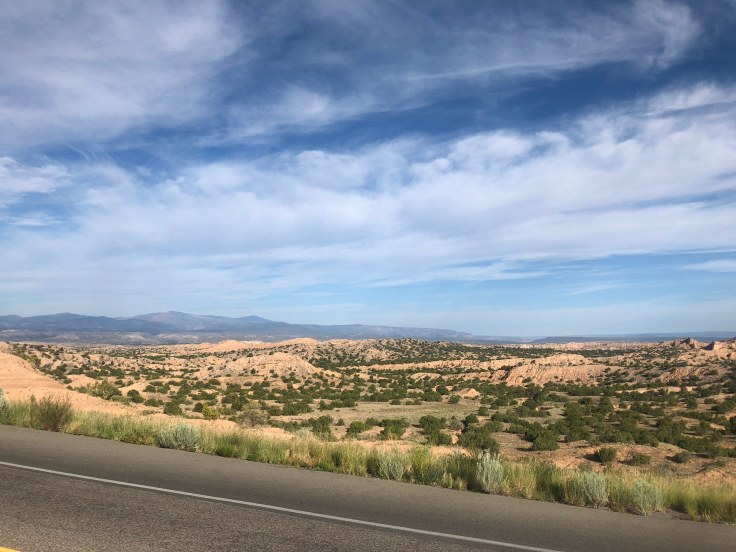
We saw more buttes and mesas and bluffs…

img_4862img_4863

img_7130

Our campground is in the small town of Bluff.  Pretty non-descript, but we had water and power.  It will be our jumping off point for Goosenecks Park, Muley Point, the Moki Dugway, Natural Bridges, Valley of the Gods, and Monument Valley.

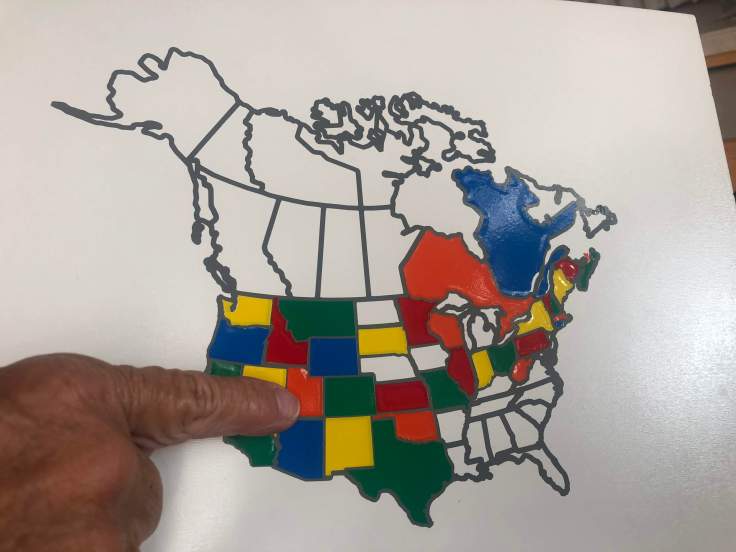
We also were able to add the 30th State sticker to our maps…

img_7132

We had a quiet evening in…

And no Travel Day would be complete without pictures of the grandchildren…

img_5275

George on the right, Ian next to him; the others are their 3rd cousins…

img_4843

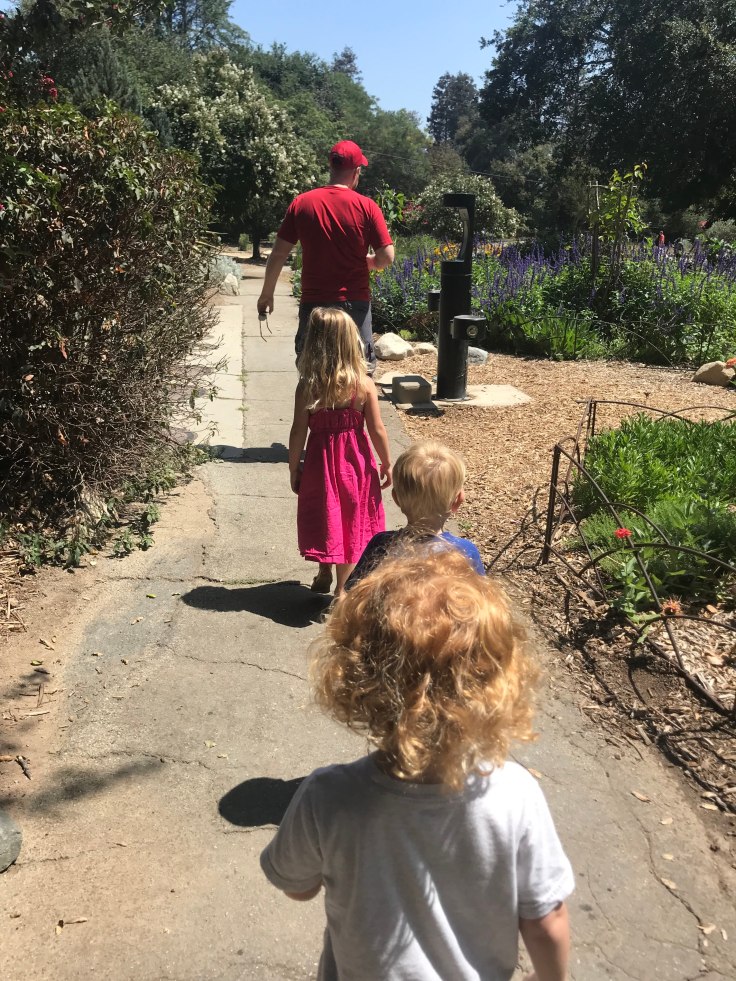
The family out for a walk…

img_5262

Ian, George and Roisin (L-R)

img_5258

And an enjoyable time was had by all…

2018-09-01 – WBCCI 2018 Southwest Adventure Caravan – Day 14 – Mesa Verde National Park

Today we spent more time exploring Mesa Verde… We started at the Chapin Mesa Museum, adjacent to the park headquarters.  The museum had the usual exhibits about the flora and fauna of the park, plus some history and archaeological data.  And a Gift Shop…  Most interesting were miniature dioramas, or models, of the typical pueblo life during the various periods of occupancy, from 650 to 1300.  These beautiful models were built by the CCC (Civilian Conservation Corps) during the 1930s…

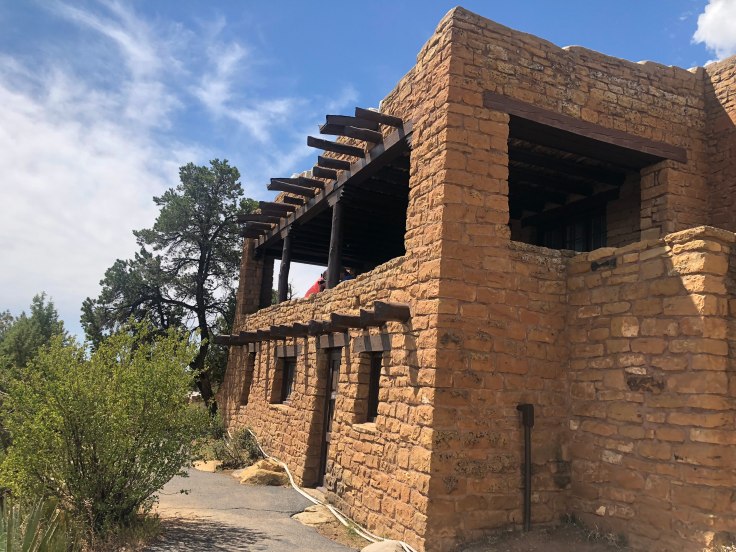
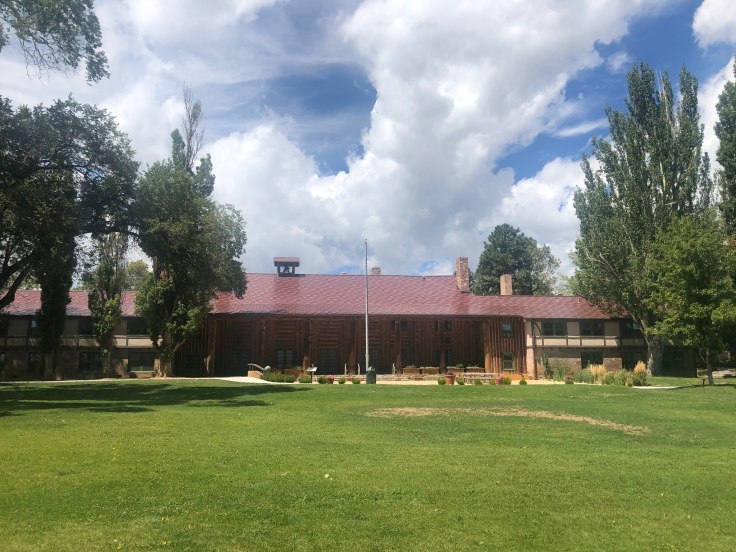
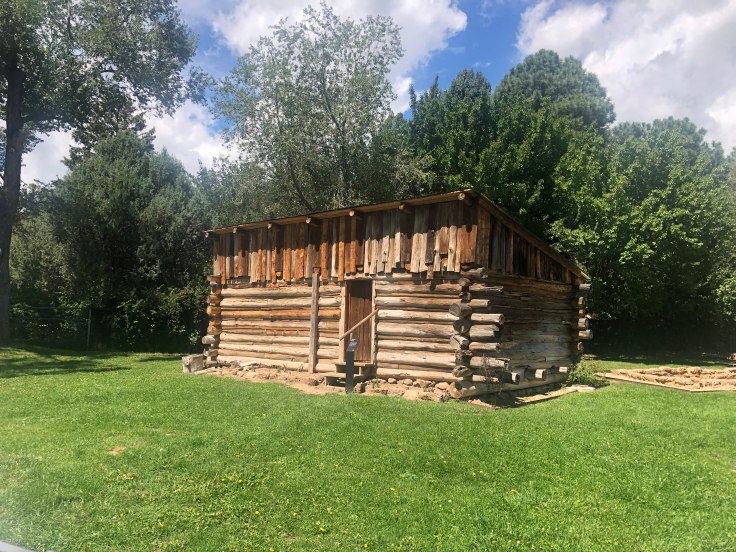
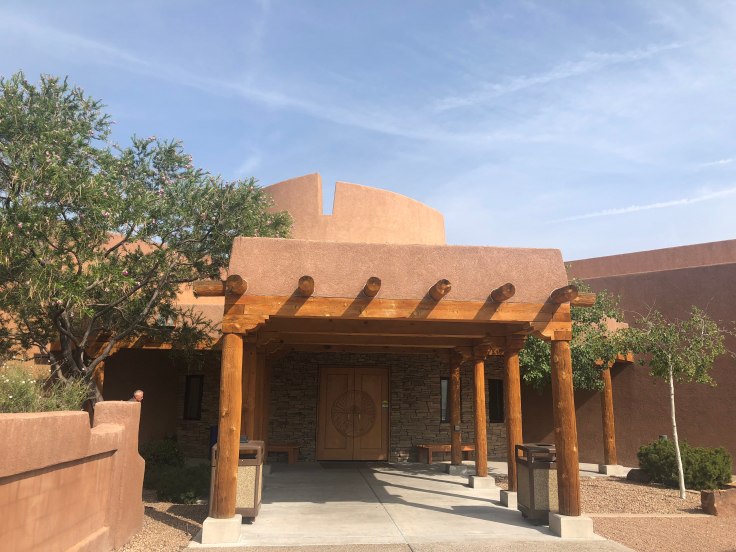
What interested me more were the buildings at the museum and the park headquarters.  The scale and massing was lovely, and the buildings were clustered as if they composed a small village… They were built with volcanic stone blocks, left un-plastered…

img_6997img_7001img_7002img_7003img_7039img_7040img_7041img_7042img_7043

img_7046

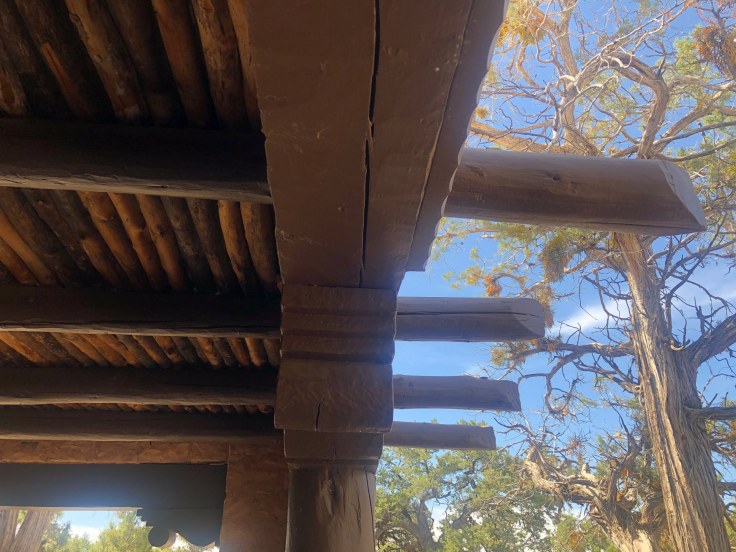
Did you notice the vigas?  They are done very well.  And they are real!

img_6999

They are not simply stuck onto the exterior as decoration.  They form the structure for the floor or roof above, and they extend through the wall as part of the structural connection.  Another thing: they are Juniper.  Juniper is naturally rot and disease-resistant.  While the vigas in the park buildings are 85-90 years old, the vigas in the Pueblo are 500 years old, and very few of them show any evidence of rot…

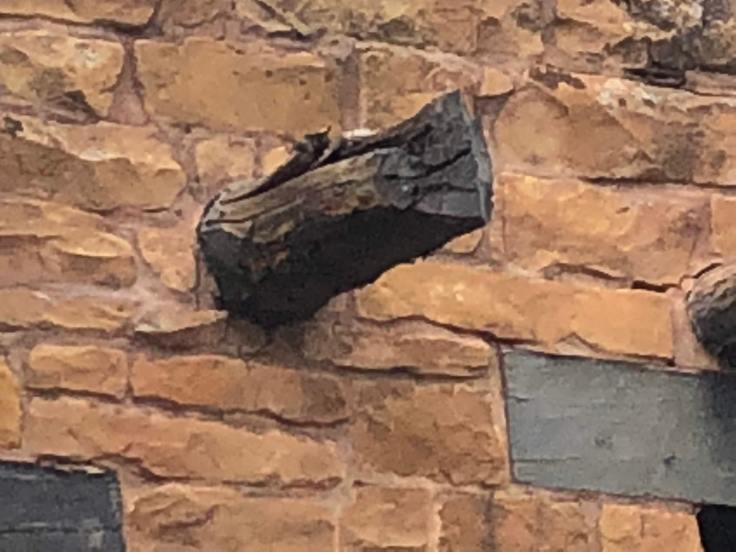
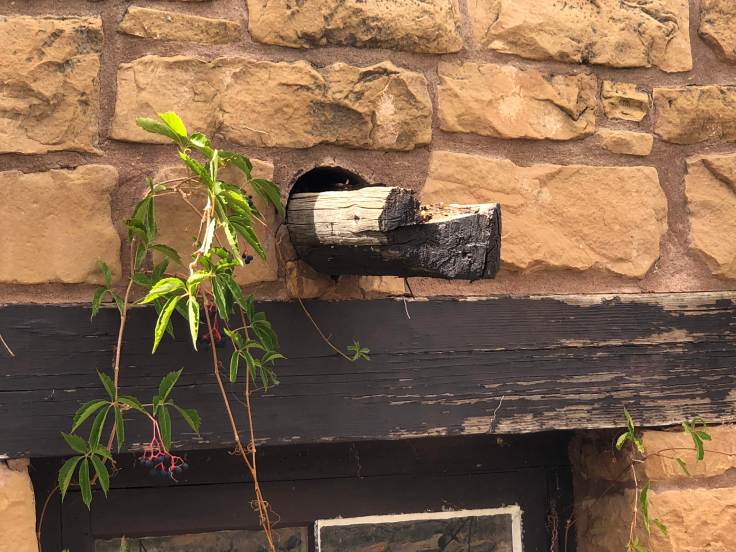
Except for these…

img_7047

img_7038img_6998

Still, not bad for 85-90 years.  Today’s tract houses in Santa Fe use Douglas Fir or Southern Pine for their fake vigas, and they show rot beginning in year one…!

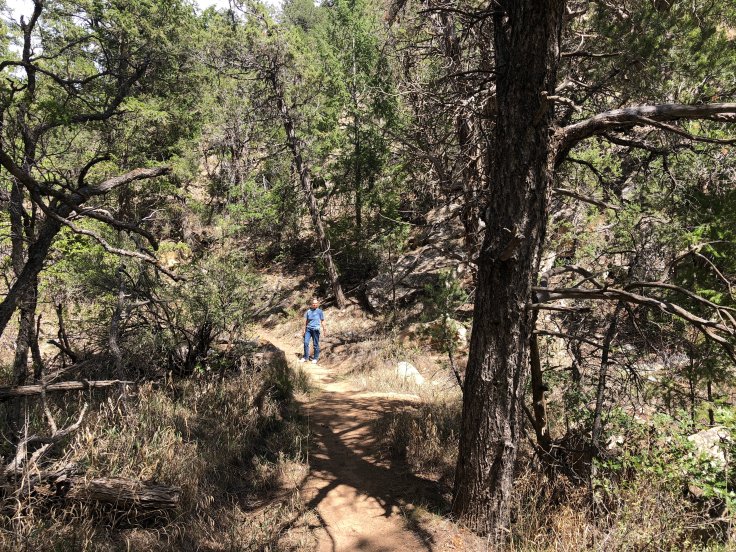
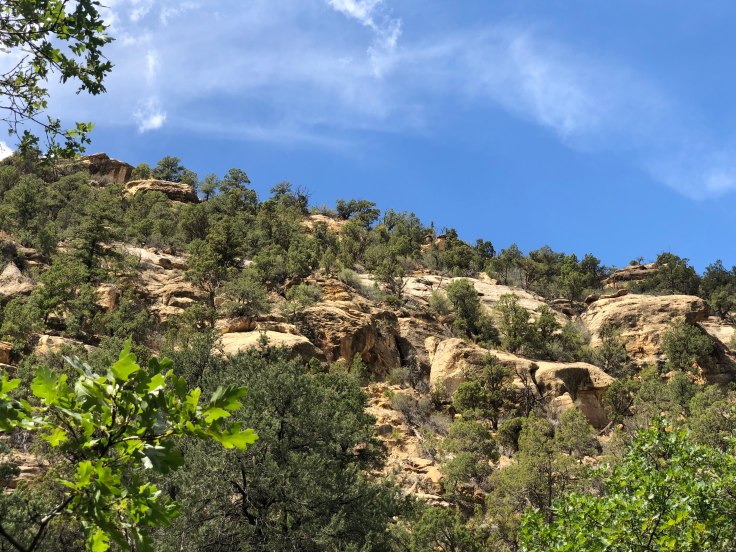
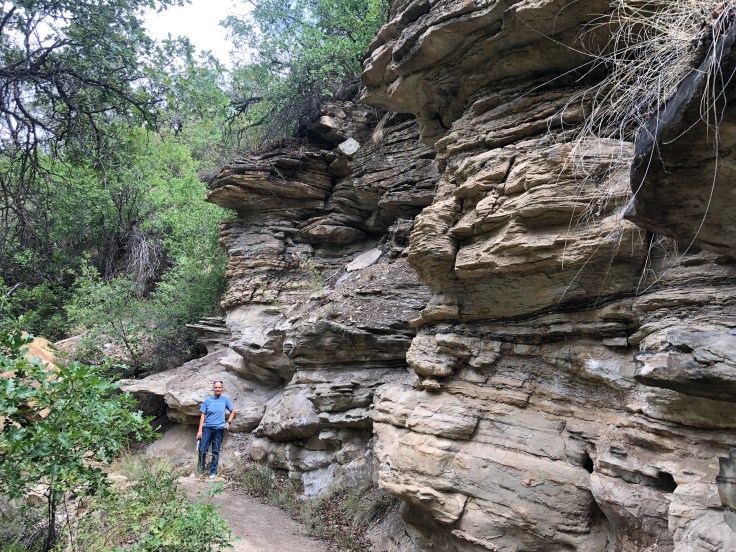
After the museum we set out on a “hike”  We are not generally hikers – we are walkers.  This was a well-marked trail.  It descends into Spruce Canyon, and goes down, and down, and down… About 586 vertical feet.  The loop is almost 3 miles.  But we were up to it.  Being in the canyon is a little surreal, seeing the bushes, trees, rocks, and other feats of nature…

img_7013img_4806img_7014img_7016img_4808img_7018img_7020img_4811img_7022img_7024img_7026img_7027img_7028img_7031img_7033img_7034img_7036

We did discover this gruesome evidence of wildlife…

img_7030

Of course, after we walked down we had to walk up again.  While the descent was gradual, the ascent was very short and steep… And we made it!

img_7037

Walking back to the truck we heard thunder all the way.  But there was no rain…

We again admired some of the park buildings… This is the original 1930s restroom building:

img_70441

Nice proportions, authentic wood lintel, posts, and capitals, excellent stonework…

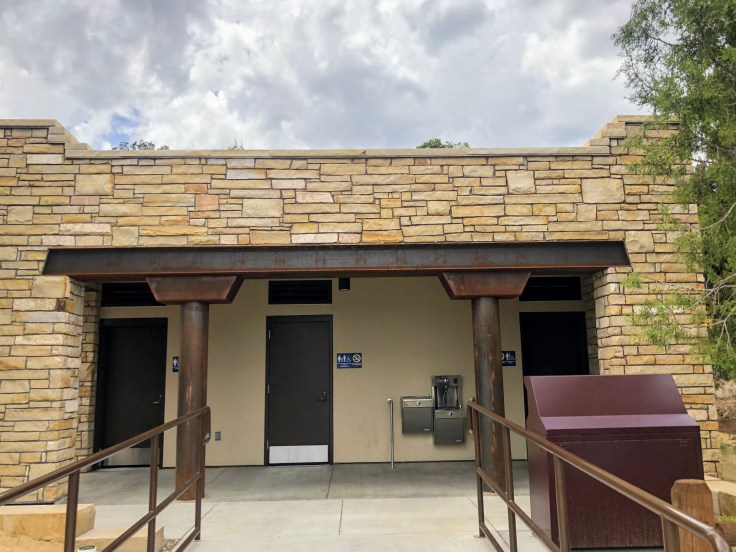
Next door they built a new restroom building containing facilities accessible to the disabled…

img_70451

Nice proportions, excellent stonework… Nicely proportioned lintels, posts and capitals, but note:  They are steel!  Clearly, this building pays homage to the historical architecture, but it uses modern materials when duplicating the historic materials would compromise the integrity of a modern building.  Well done, Architect, whoever you are…!

As we approached our next destination in the truck it started to rain… We stopped at Park Point, the highest point in the park, at 8,572 feet elevation.  This is about 700 feet above the campground…

img_4819

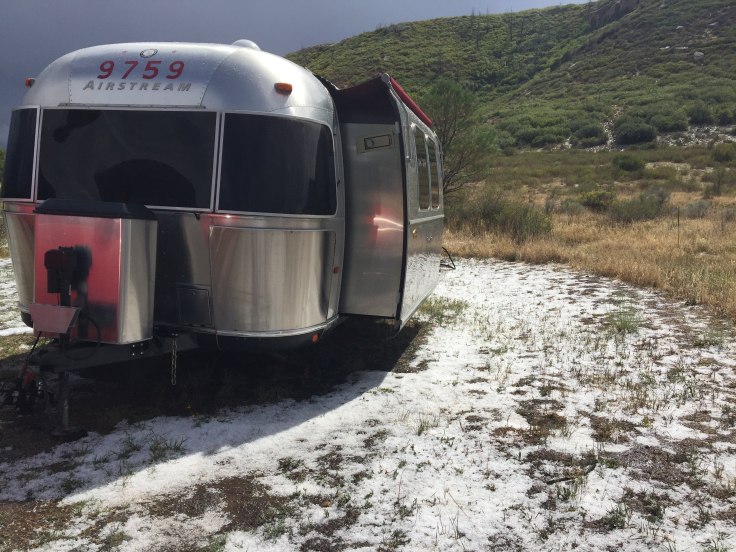
It was lightly raining, but we couldn’t help but notice this white gravel on the ground.  Upon closer inspection, we discovered it was hail!

img_7054img_4826

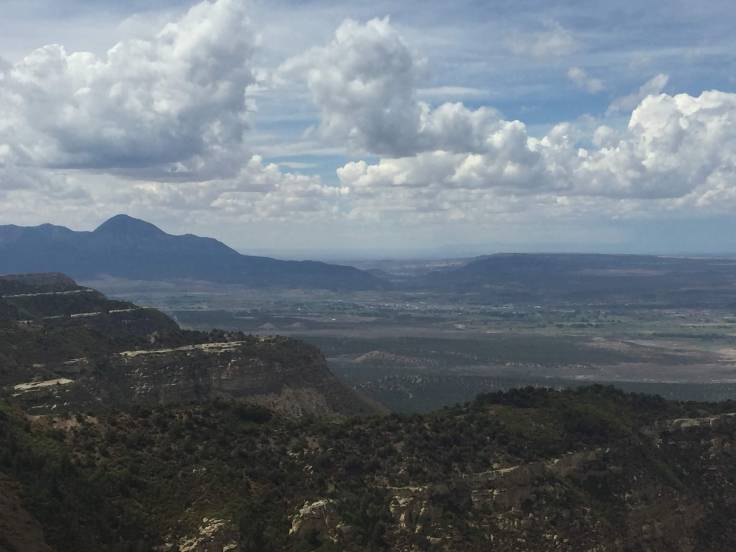
Views are amazing, in all directions…

img_7059

We could see all the way to Utah, Arizona, and New Mexico, plus, of course, Colorado…

img_4828img_7062

This is “The Sleeping Ute”, a mountaintop in Utah that is supposed to resemble a sleeping Indian…

img_7063img_7066img_7069

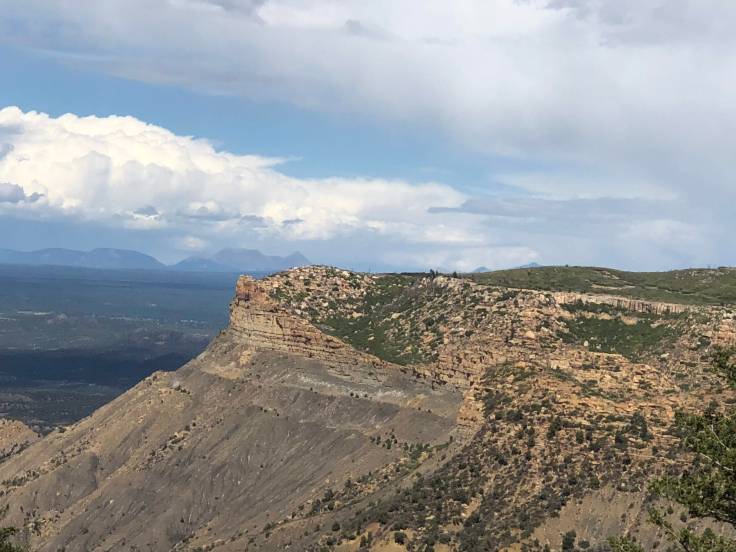
This is “Knife Edge mountain, which is our next stop…

img_7070img_7072img_4831

Our next view overlook is called “Knife Edge”…

img_7074img_7075img_4833

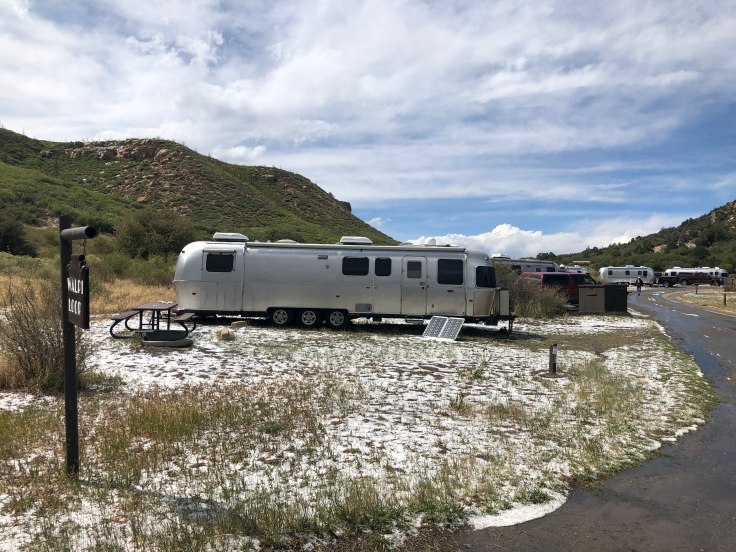
So we then headed back to The Villa… And we were in for a surprise:  It had hailed at the campground, too!

img_7076img_4834img_4837

The hail was small – no damage to The Villa.  It lasted about an hour on the ground…  Later that evening we had another “Fandango” to meet other caravaners.  We were hosts, so we had 8 people inside the Villa…

And an enjoyable time was had by all…

2018-08-27 – WBCCI 2018 Southwest Adventure Caravan – Day 9 – Traveling to Durango, CO

We are on the move today!  We are driving about 200 miles to the northwest, to Durango, Colorado.  Along the way we are traveling through an ever-changing landscape.

We started out in the New Mexico desert…

img_46154img_46171img_46212img_46241

We stopped at the Echo Amphitheater, where marvelous echos can be heard…

img_46291

We pulled in, and we were the only people there…

img_4626

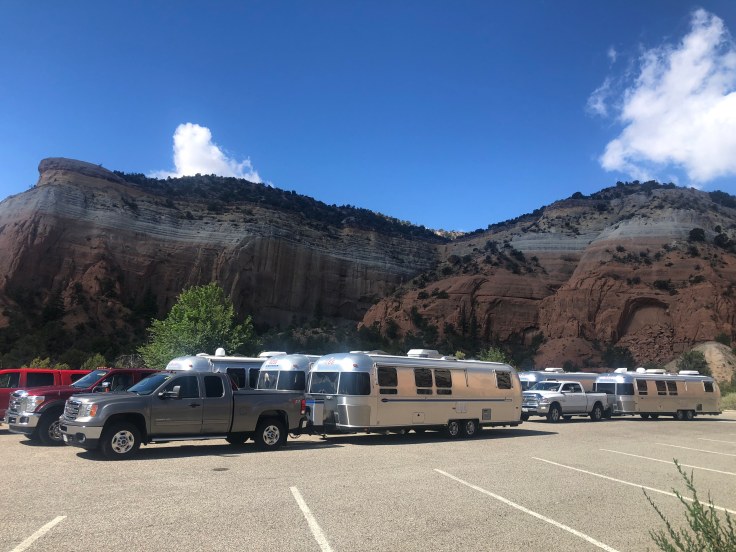
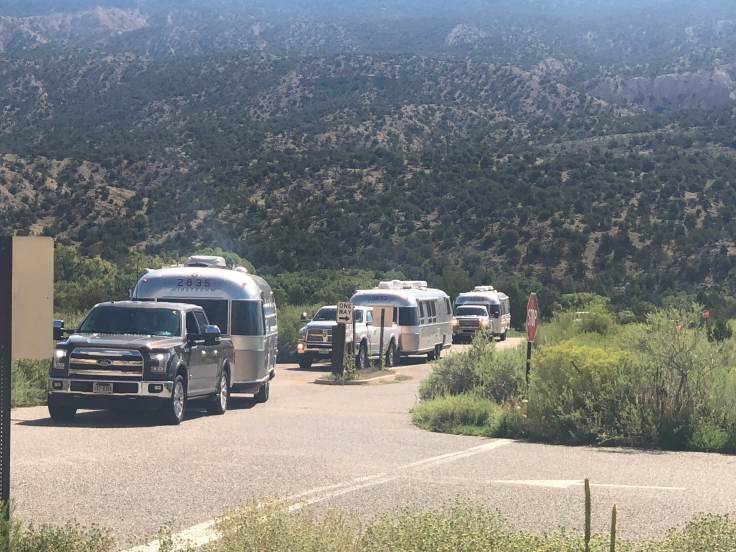
We were soon joined by other Airstreamers…

img_4633img_6731

img_67332

And they kept on coming…

img_6732

To make room for others, we soon moved on.  The landscape continued to change to  mountain forests…

img_6734img_6736

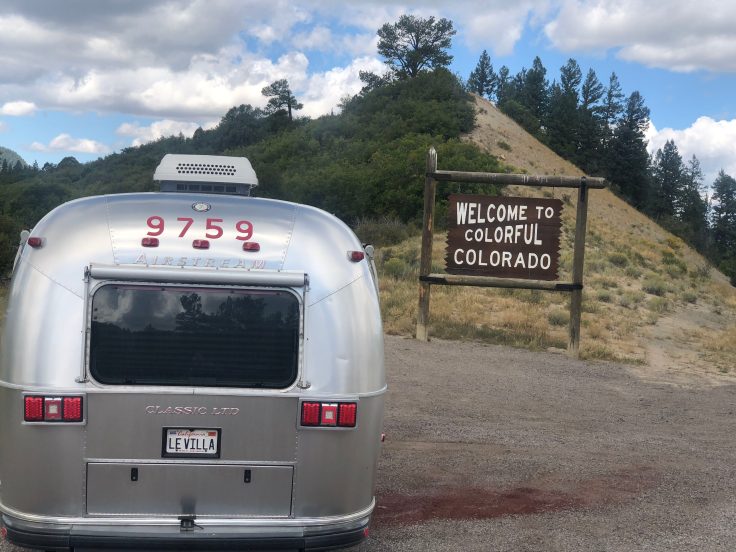
We soon entered Colorado…

img_6735

We had lunch at Kip’s Grill and Cantina, in Pagossa Springs.  Then we continued further inbto Colorado.  The mountains and forests continued to change…

img_4639img_4641

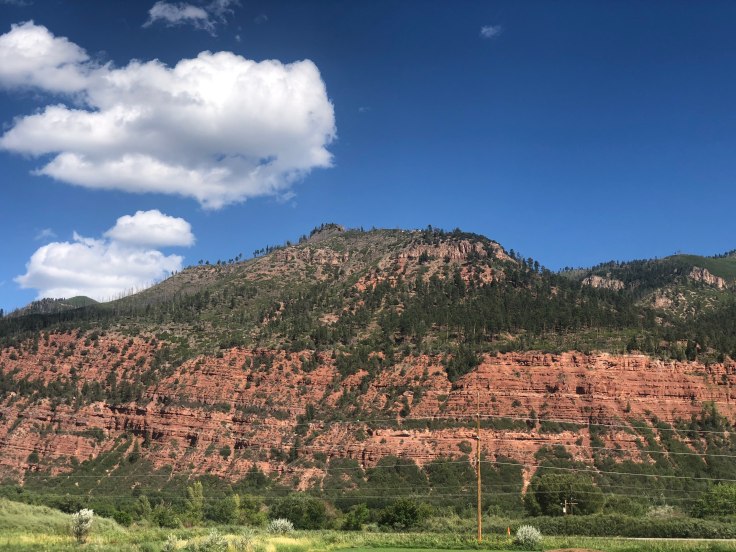
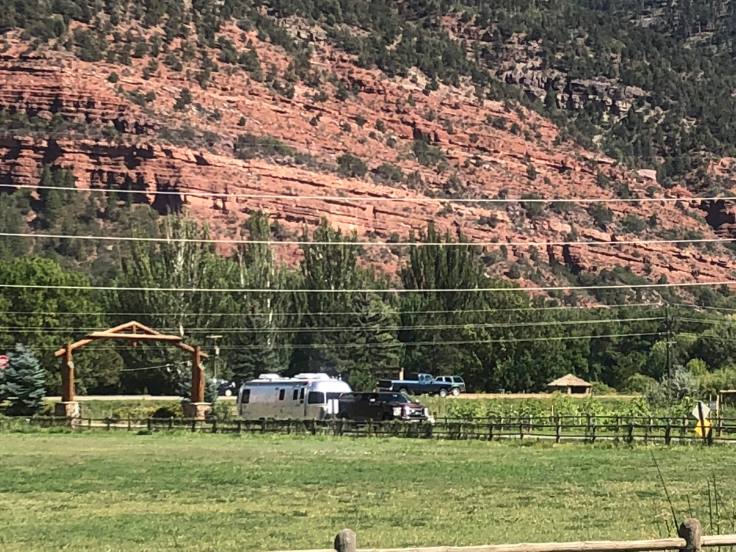
By the time we reached Durango the rocks were bright red…

img_6740img_6741

We added our Colorado sticker to our map… The Villa has been in 29 States so far…

img_6742

Happy hours ensued, and an enjoyable time was had by all…

2018-08-26 – WBCCI 2018 Southwest Adventure Caravan – Day 8 – Los Alamos

Another free day in Pojoaque.  We had a relaxing morning, then headed out to see Los Alamos.

img_6704

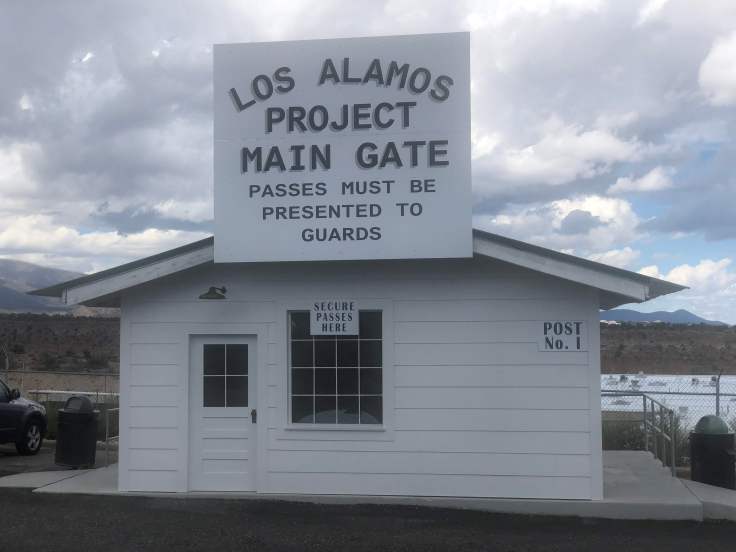
As most of you know, Los Alamos was the site of the Manhattan Project during World War II, and it continues to be a large research center even today.

In 1942, when FDR decided to consolidate all nuclear research into one, top-secret location, there was no Los Alamos.  There was an exclusive boys boarding “prep” school, The Ranch School, plus a dozen or so homesteaders who farmed these mesas in the summer.  The US government instituted eminent domain proceedings and gave the residents about two months to vacate the premises, with an insistence that the reasons for leaving must be kept secret.  It’s hard to understand what it must have been like to abruptly close a school, and be unable to tell anyone why…

What drew the leaders of the Manhattan Project to this location was the infrastructure of the school itself, which included water supply, electricity, and buildings. Another reason was the geography and the remote location.

Los Alamos is located approximately 35 miles to the northwest of Santa Fe.  The elevation is about 7,320 feet, and total land area is 11.14 square miles, most of which was already owned by the Federal government.

Los Alamos is located on flat mesa tops separated by steep canyons.

img_4609img_6694img_6693img_4608img_6692img_6691

This relative inaccessibility was a key reason for its selection – to help protect the secret activities of the Manhattan Project.

Everything was top secret.  There were no radio broadcasts – the “radio” signals were hard-wired to each house…  Everyone shared the same address – Post Office Box 1663, Santa Fe, NM.  No one could tell their friends and relatives where they were and what they were doing.  It is all very hard for us today to understand what this must have been like…

Today, Los Alamos is a lovely little town.  All the research laboratories have been moved to an adjacent mesa.  Some of the original buildings, mostly from the Ranch School days, still exist, plus some houses used by some of the most prominent members of the community.

This is “The Lodge”, the Ranch School’s Dining Hall.  The newer wings were added after WWII…

img_6700

This is a cabin, originally used by the Ranch School founder, Ashley Pond.  It was moved to this site.  It was originally in a remote location, and was used for some early research activities…

img_6698

One of the houses used by scientist Bethe has been restored…

img_6696

The Guest House was used by prominent visitors.  Today it is the Museum…

img_6701

The Ranch School was founded by Ashley Pond in 1917.  The boys of the school built this small lake, and named it Ashley Pond… All the original research labs were built around the pond.  It is the centerpiece of a city park today…

img_6702

Los Alamos now has a proper Post Office.  Residents no longer need to share one P.O. Box in Santa Fe…

img_6703

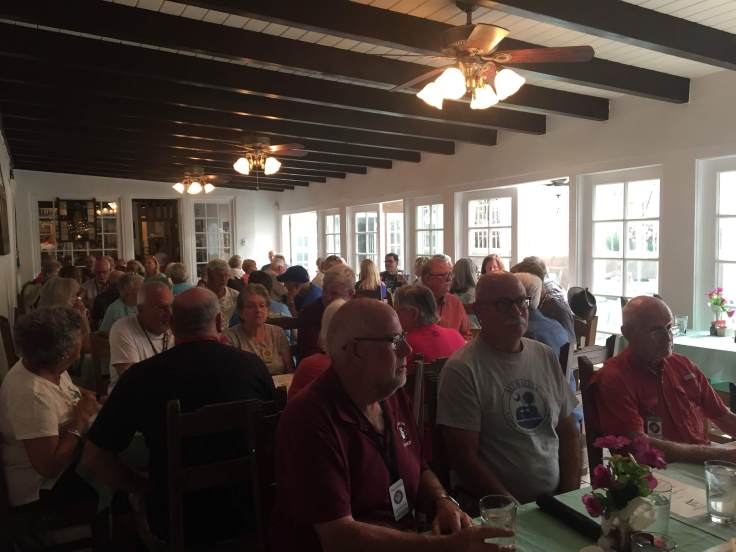
We returned to Pojoaque; we had another Fandango, and at 8:00 pm we had a Drivers Meeting to review tomorrow’s drive as we move to Durango, CO, high in the Rocky Mountains

img_6717

And an enjoyable time was had by all…


2018-08-25 – WBCCI 2018 Southwest Adventure Caravan – Day 7 – Taos

img_6664img_4566img_4567

img_4568

Today we traveled to Taos, about 45 miles (1 1/2+ hour drive…).  As usual, the landscape around here is stunning…

Along the way we stopped at several small towns and villages to see some of the local color…

img_4569img_4571

img_4572

In Taos we enjoyed another unique lunch at Lambert’s…

img_6668

We looked around Kit Carson’s house…

img_45741img_45751

Kit Carson was born in the early 1800s and spent most of his life exploring the wild west, enduring many dangers and surviving them all.  He died in Taos at the age of 59 of a burst aneurysm…

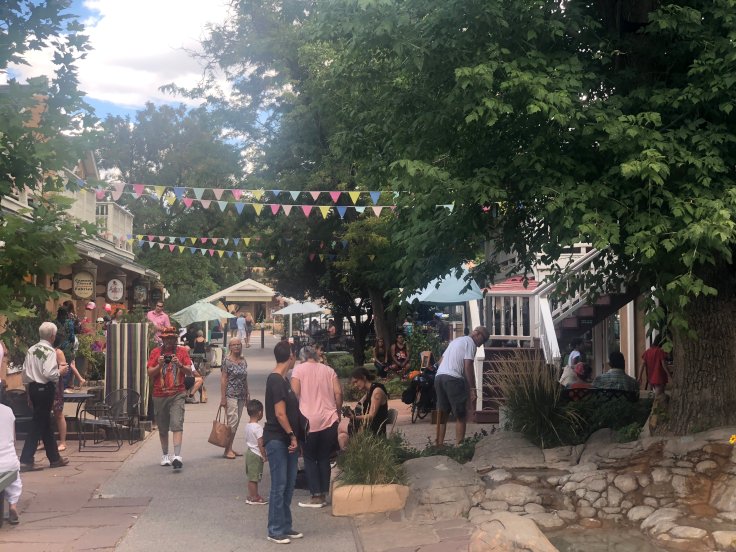
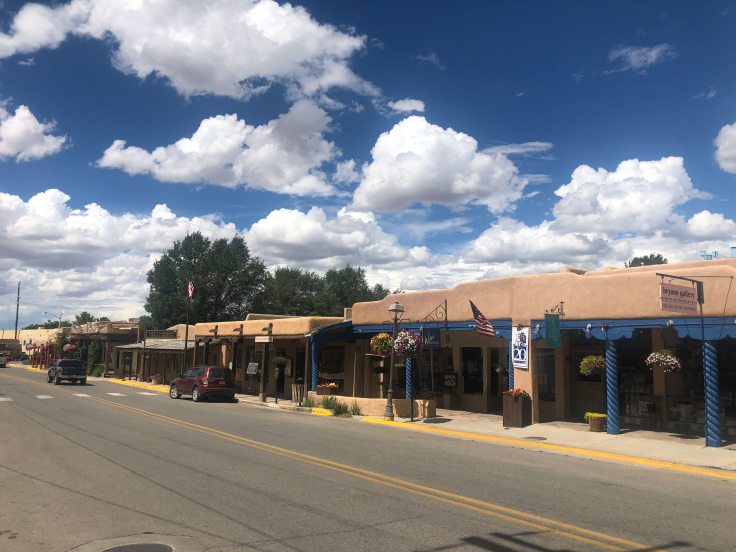
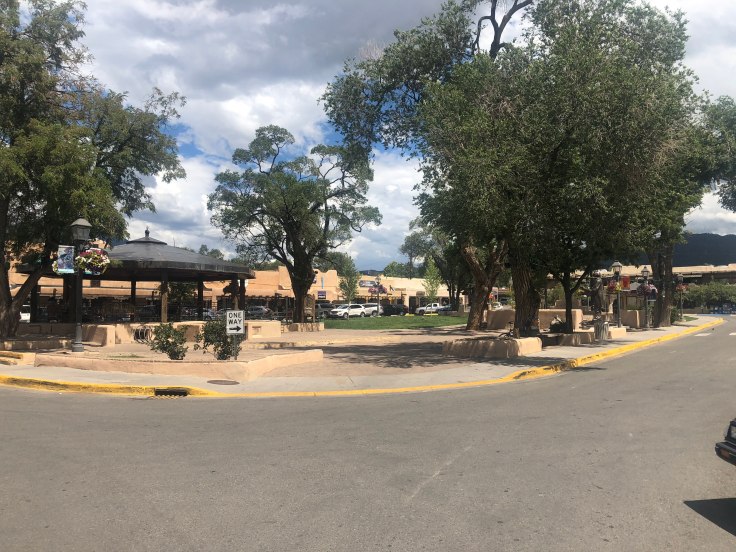
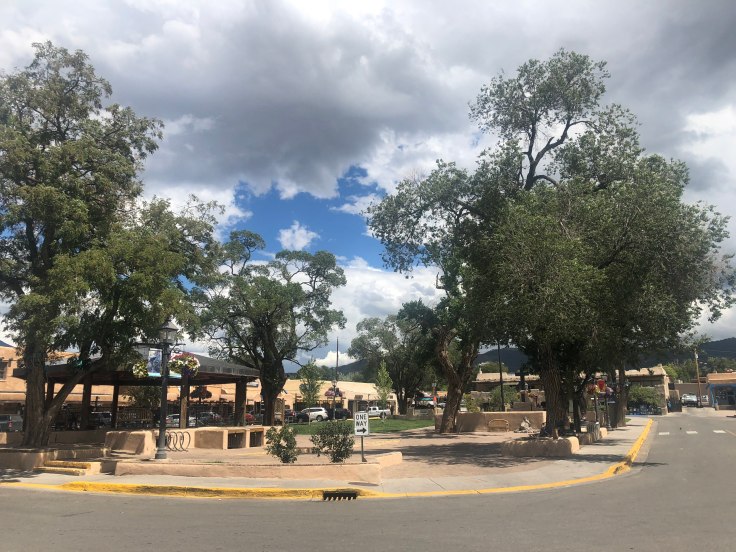
Taos has many nice shopping streets, but on a much smaller scale than Santa Fe…

img_6673

img_6671

img_6680img_6674img_6675

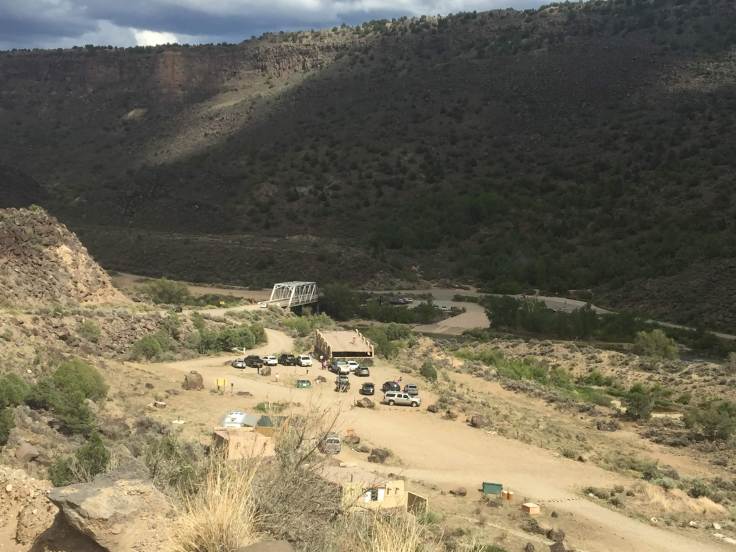
After enjoying all that we could, we headed back to Pojoaque, taking a detour to see the Rio Grande Gorge Bridge…

img_6682img_6685img_6687

The Rio Grande Gorge Bridge, locally known as the “Gorge Bridge”,  is a steel deck arch bridge across the Rio Grande Gorge 10 miles northwest of Taos. Roughly 565’ above the Rio Grande, it is the seventh highest bridge in the United States.

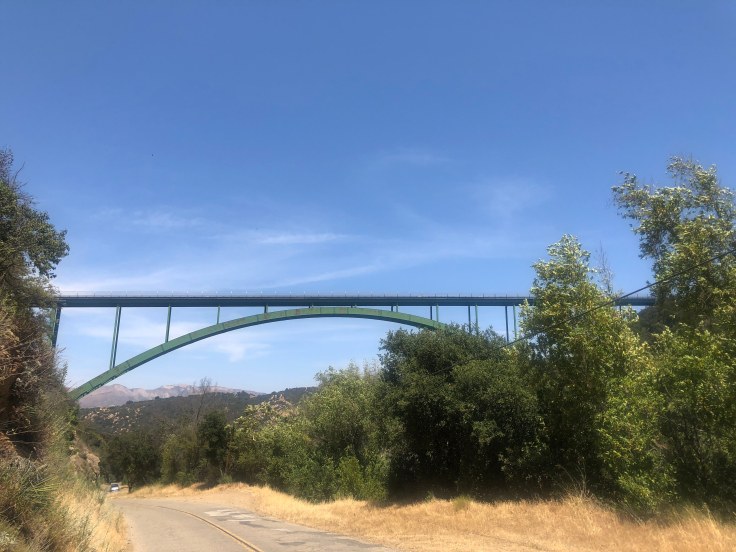
Those of you who have followed my blog for a while recall that we recently visited the Cold Springs Canyon Bridge, near Santa Barbara…

img_6200

While the Rio Grande bridge is taller, the span of the Cold Springs bridge is longer… It is also more fun to walk under a bridge like this than to walk over it…

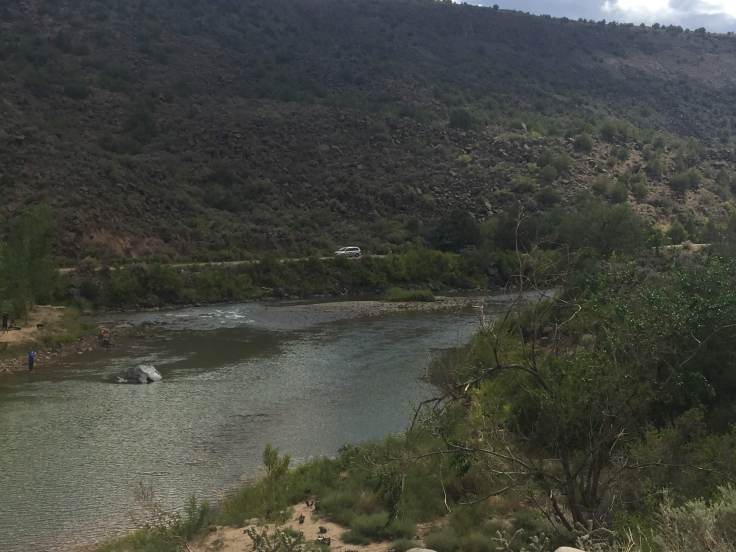
The road back to the main highway turned out to be a little more adventurous than we had expected…

img_6688img_4595img_4598img_4599

The drive along the “Low Road to Taos” is quite beautiful.  The river is well used by rafters, tubers, campers, and people like us, just enjoying the scenery…

img_4600img_4597

img_6689img_4605

We had an uneventful drive back to Pojoaque.  An enjoyable time was had by all…


2018-08-24 – WBCCI 2018 Southwest Adventure Caravan – Day 6 – Chimaya and Santa Fe

We began the day with a short drive to Chimayo and the Church of the Dirt…

img_4541img_6648

Legend has it that the dirt beneath the chapel has healing powers.  The Community that has grown up around this church is quite ancient, and a little ramshackle…

img_4539img_6637img_6646img_6649

There is much lovely art…

img_4542img_4543img_4547img_4548img_4552img_4551

And the countryside is beautiful…

img_4534img_6633img_6634img_6636img_45351

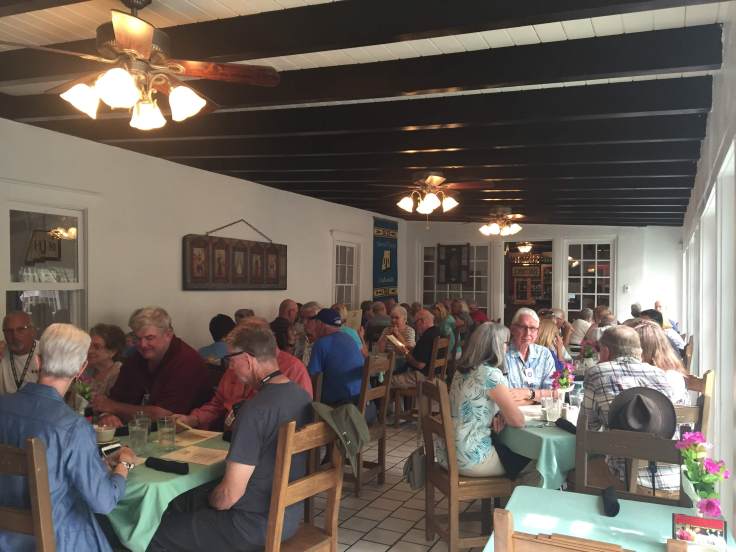
We joined the other Caravaners for lunch at Rancho de Chimayo Restaurante, a highly rated “destination” restaurant, even in this remote part of the world…

img_6652img_4557img_4559

As we left the restaurant after lunch, we beheld a a sight familiar to all caravaners…

img_6653

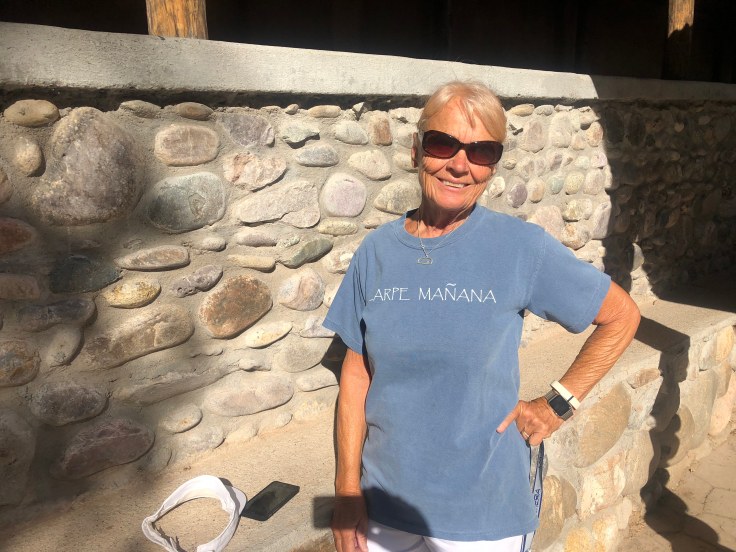
After lunch Lynda and I returned to Santa Fe to do some serious shopping.  As we shopped Lynda was stopped by several people who commented on her new shirt:

img_6644

(If you can’t quite read it, it says, “Carpe Manana”…)

We bought Lynda some “cute” earrings…

img_6690

And, if you are wondering, the turquoise is not “natural”, we did not get a certificate of authenticity, they are not signed by the artist, and they were not made by local Indians.  But you must admit they are cute…!

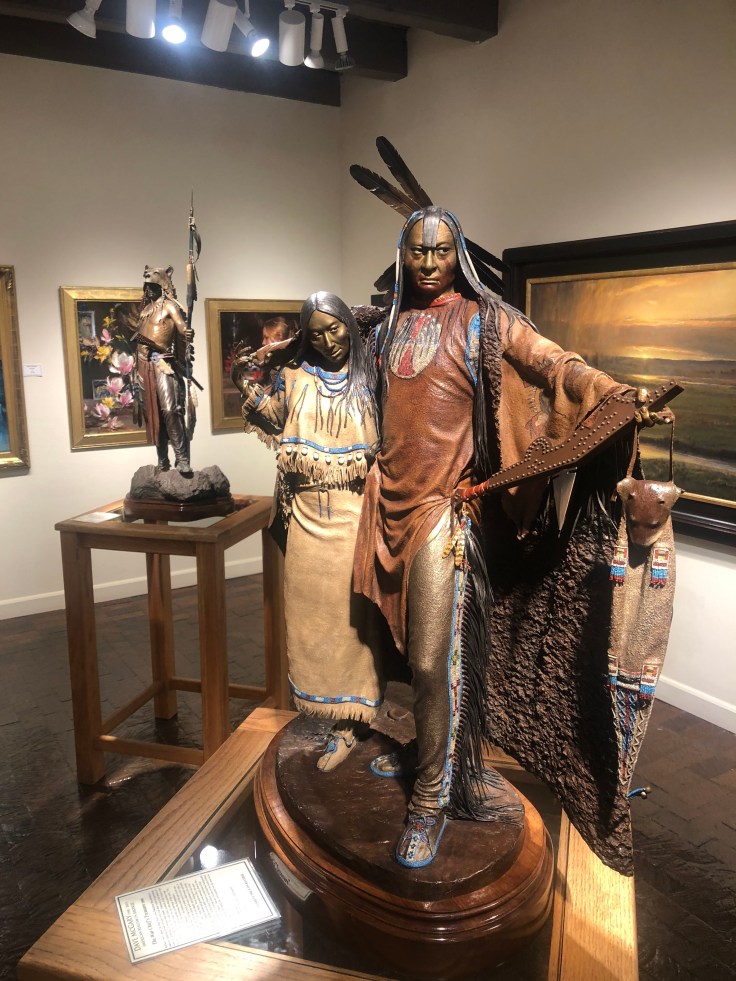
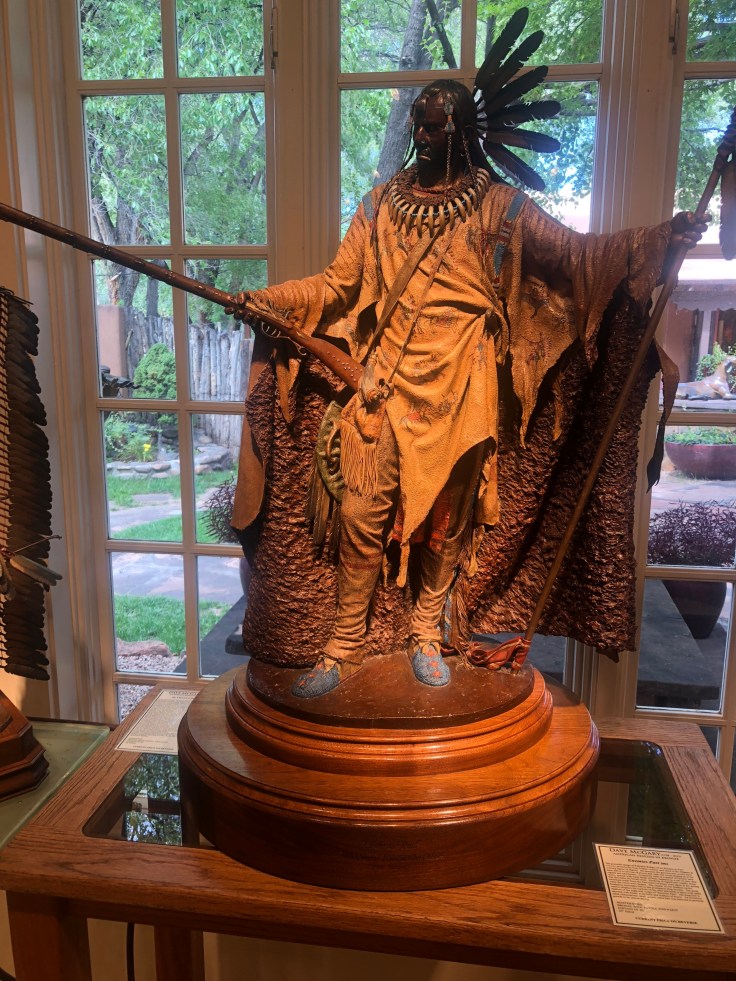
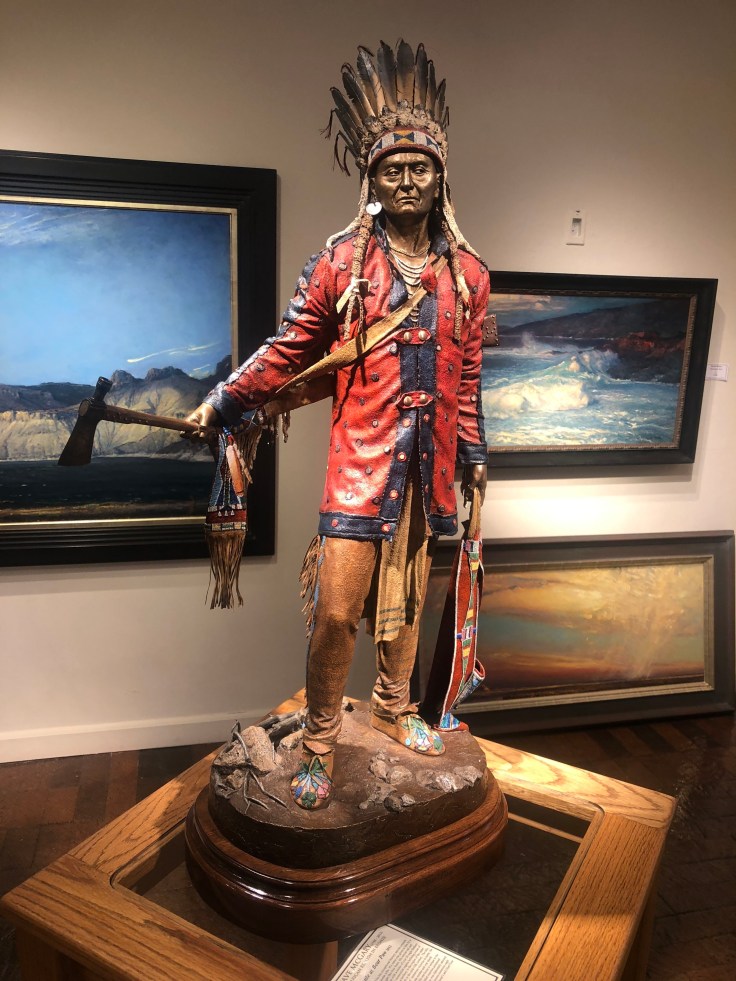
We also checked out the Meyer Art Gallery.  They are the local representative of the sculptor Dave McGary.  His specialty is sculpting bronze Indians…

img_6657img_6656img_6655

These are “miniatures”, about 36″ – 48″ tall.  He also does “life-size” statues, at 120% life size, in which the Indians are about 7′ tall, with the headdress, spear, etc., making the whole sculpture over 8′ tall…

Back in the olden days, when I was working, I did a custom house, for a German client, in Palm Desert.  He had one life size Indian in the house, in a space custom designed for the statue, another life size on a rotating turntable in the back yard, and a miniature in a niche inside the house.  These are really spectacular pieces of art.  It was nice to see some of them again…

We returned to the RV “Resort”…

img_4612

And an enjoyable time was had by all…

2018-08-23 – WBCCI 2018 Southwest Adventure Caravan – Day 5 – Santa Fe

We traveled as a group to Santa Fe today.  Besides some detours on the highway and some miscommunication on where we were to meet, we all finally boarded a tourist trolley to get oriented in and around Santa Fe.

img_4508

We had an interesting guide/driver who told us of the history of Santa Fe and showed us the various neighborhoods and significant buildings around the town.  After about 1 1/2 hours we were let off to explore the city on our own.

As usual, I was most interested in the architecture.  Everyone knows “Santa Fe Style”, right?

The regional architecture from which the “Santa Fe Style” draws its inspiration is primarily found in Pueblos of New Mexico and other southwestern States.  In the 1890s, architect A. C. Schweinfurth incorporated Pueblo features into a number of his buildings in California.  Mary Elizabeth Jane Colter’s Hopi House (1904) in Grand Canyon National Park drew heavily on the Pueblo style. The Pueblo Revival style made its first appearance in New Mexico in 1908 at the University of New Mexico in Albuquerque, where UNM president William G. Tight adopted the style for a number of building projects during his tenure. 

At the time, Santa Fe looked like Anytown USA, with French, Italian, Victorian, Bungalow, and Carpenter Gothic buildings, mixed in with New Mexican Territorial styles common throughout the State.  In an attempt to attract tourists and the railroad, the city fathers remodeled all of the prominent downtown buildings to resemble what would be known as the Santa Fe Style.  In 1957, a committee drafted Santa Fe “H” Historical District Ordinance No. 1957-18, commonly known as the Historical Zoning Ordinance.  This ordinance mandated the use of the “Old Santa Fe Style,” which encompassed “so-called Pueblo, Pueblo-Spanish or Spanish-Indian and Territorial styles,” on all new buildings in central Santa Fe.  To be exact, the ordinance require all buildings be earthy brown, include rounded edges, room-block massing, and protruding vigas.  This ordinance remains in effect, meaning the Pueblo style continues to predominate.  The point to remember is that the Santa Fe Style is not something indigenous to Santa Fe, but something made up (by Anglos, not Mexicans or Indians or Spanish) to attract tourists.

So here we have it:  Vigas, Brown, block massing, rounded edges…

img_6577

Even giant buildings follow this style, which is more suited to small buildings…

img_6555

Even parking garages follow the style…

img_6618

The Territorial style shows brick cornices and a little more exposed wood, but otherwise is quite similar…

img_6562img_6563

I like regional architecture as much as the next guy, and I have commented on how well the architecture here addresses the harsh sun.  My only pet peeve is the religious-like adherence to arbitrary rules, despite all evidence that the rule should be modified or abolished.  Nothing exemplifies this idea better than the vigas.

As I showed in my earlier blog, authentic vigas are extensions of roof beams, projecting through the adobe walls…
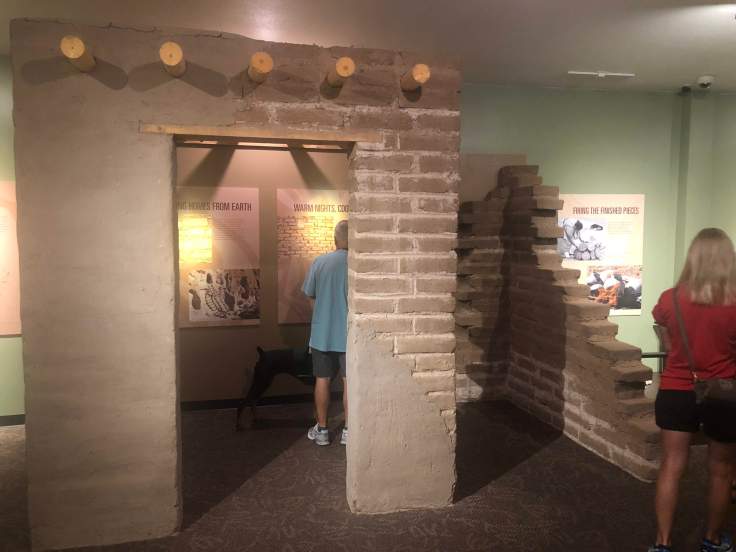
img_65351

Today, vigas are rarely structural, but are only decoration tacked on to an exterior stucco wall.  There is one problem:  In this dry, hot climate, exposed wood rots:

img_6610

This has led to attempts to protect the wood with sheet metal – hardly an elegant solution…

img_65751

On the other hand, not ALL buildings have vigas, and they look just fine to me…

img_6601img_6602

Certainly historic buildings need to be accurately restored.  If the wood rots, replace it with wood.  But if you must have vigas, even fake vigas, why not use steel or some other weather resistant material?

One reason why new buildings, or additions to existing buildings, in Santa Fe’s historic district should sometimes employ modern materials, and even a few tastefully contemporary design elements: A century from now, 2018 construction should be distinguishable from that of earlier times. And if the architecture is exceptional, it also may be prized alongside the old.  It shouldn’t mimic the old so perfectly that you can’t see the evolution of the style.  As soon as everything looks the same and you can’t date it, it’s dead. It’s the vocabulary that’s important, not the material or the technique.

More reasons why the wood vigas, protruding through the exterior wall, is a bad idea:  they break the thermal envelope of the building, allowing cool air to escape in the summer and warm air to escape in the winter. They also break the waterproofing envelope, allowing moisture into the building, creating the potential for mold and other water-related issues…

So enough of my rant about Santa Fe style.  We actually had a very good time in Santa Fe…

We saw the country’s oldest house, built in 1646…
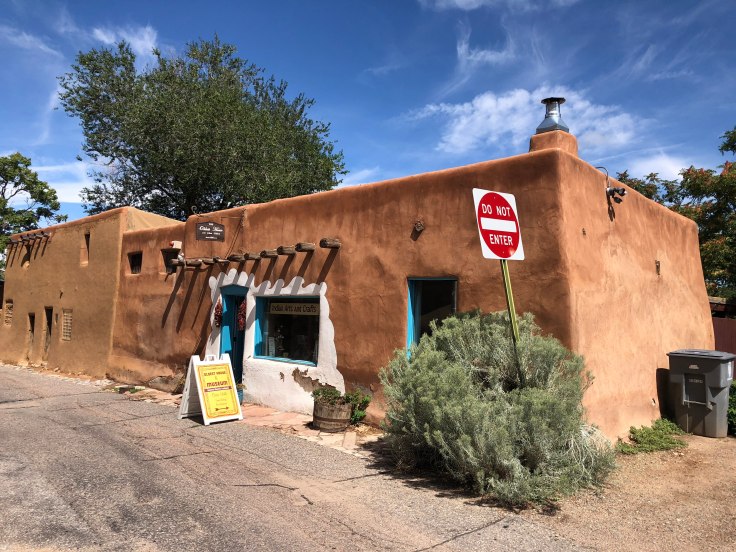
img_6603img_4521

And we saw the country’s oldest church, built in 1610…
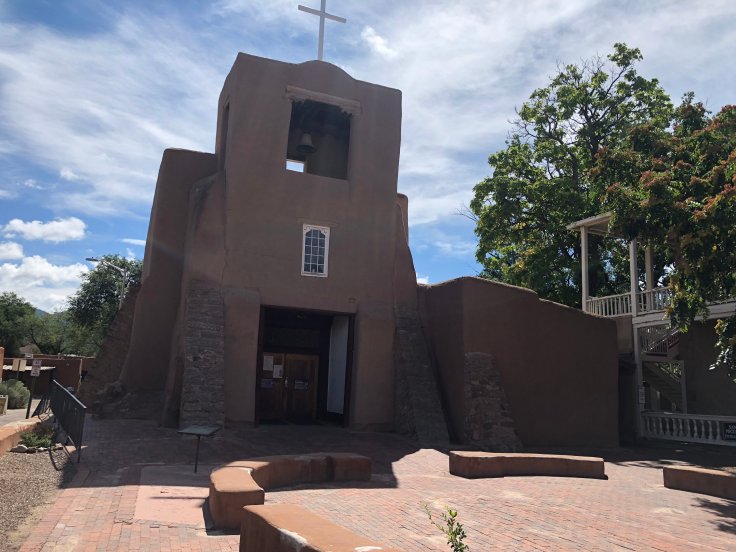
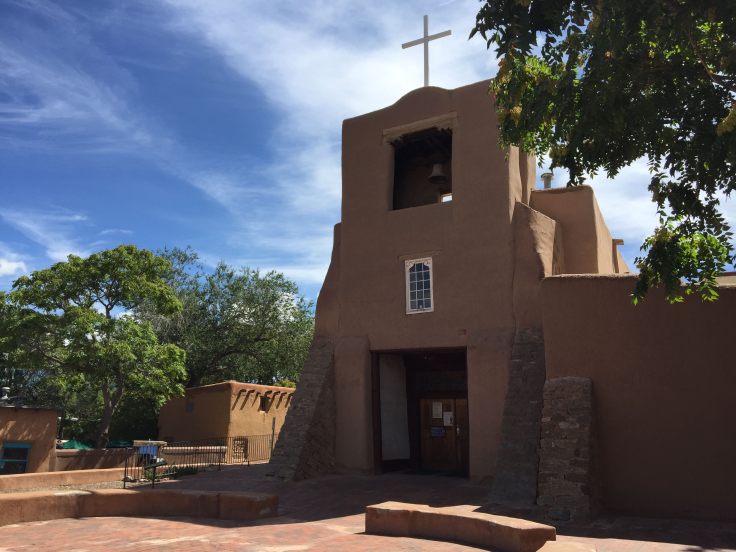
img_6609img_4522img_4523

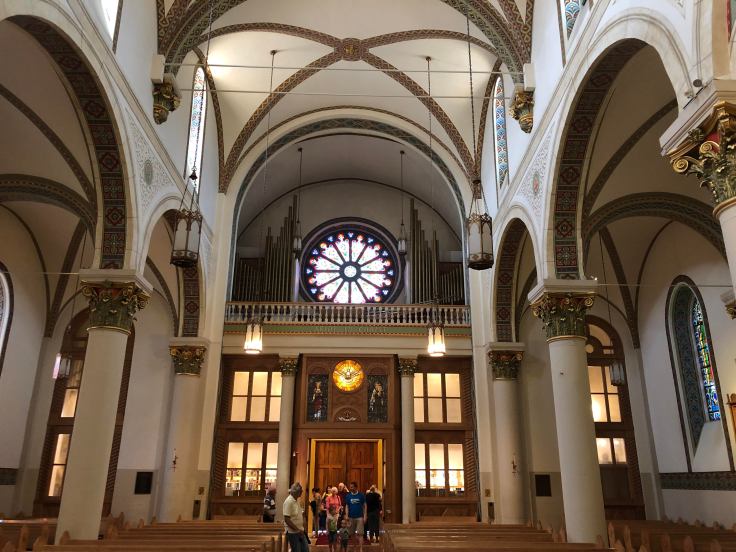
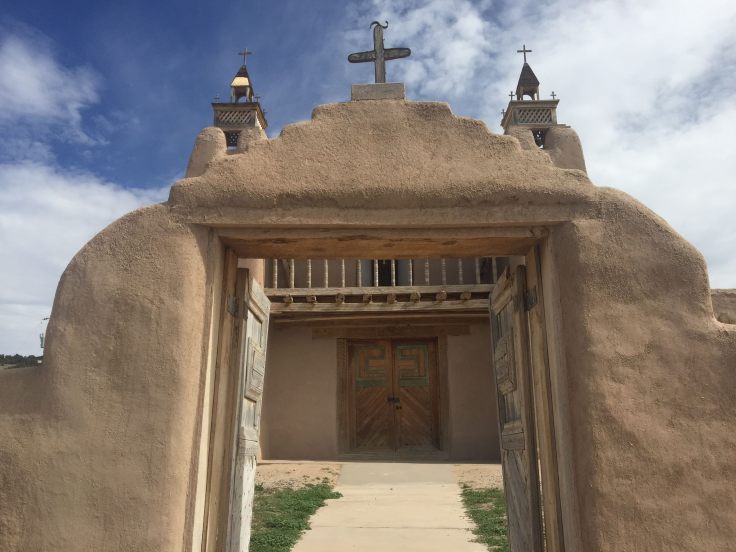
We saw the Cathedral Basilica of St. Francis of Assisi… The interesting story here is that while the church was under construction they ran out of money.  Bankers in the Jewish community loaned them the money to complete the construction.  After many more years of struggling and being unable to pay on the loan, the Jewish bankers forgave the loan as a gift to the church.  This is memorialized in the top arch stone over the main doors with the Hebrew scrip and the triangle.  Also, the doors have 20 panels in bas relief telling the history of Santa Fe…
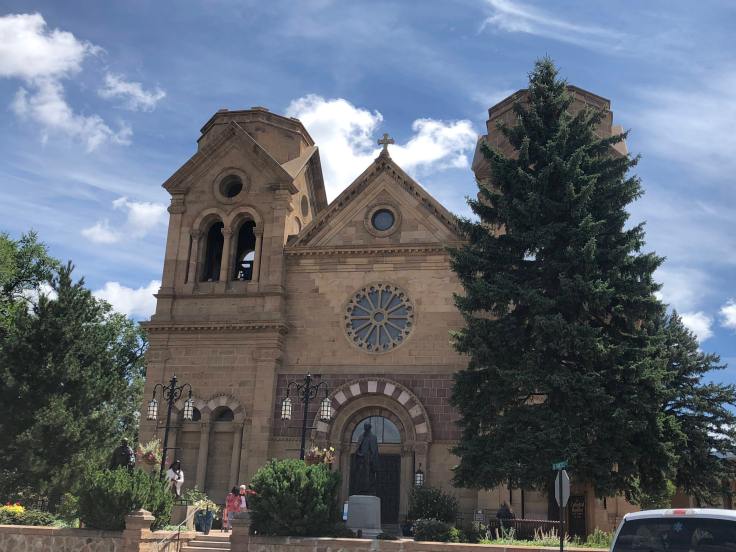
img_6611img_6614img_4531img_6617img_4526

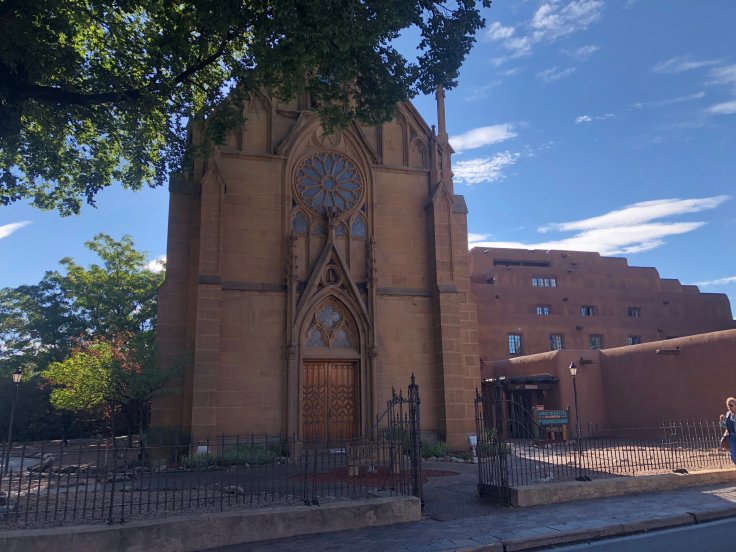
We saw the Loretto Chapel…

img_6552

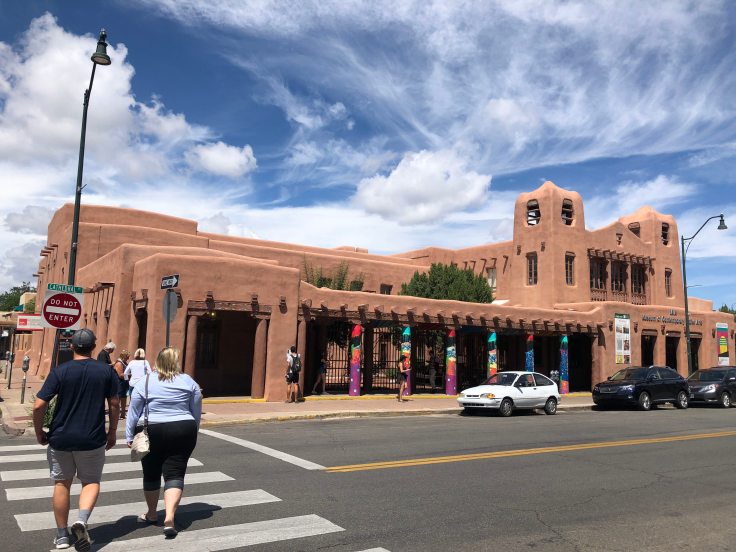
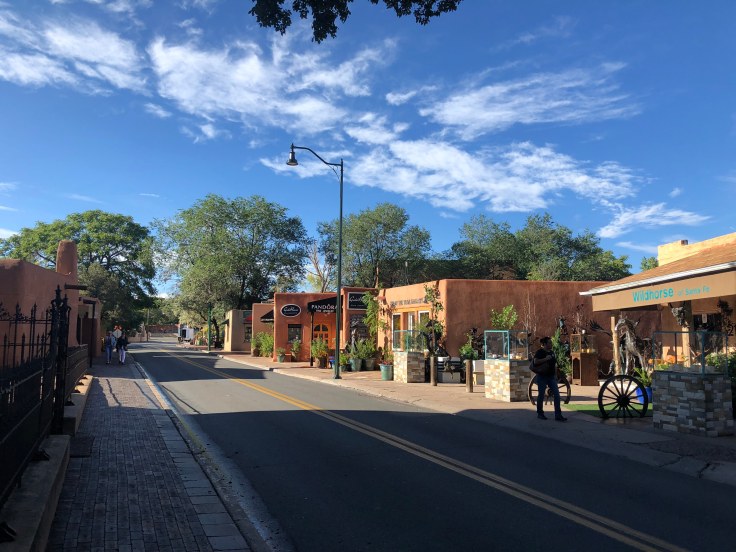
And we saw the quaint shopping and gallery district on Canyon Rd…
img_6551

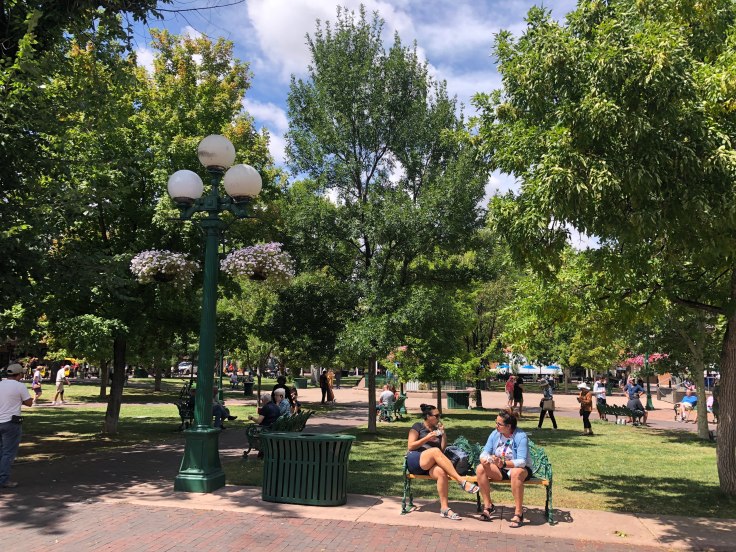
We spent some time shopping in the blocks around the plaza…
img_6622img_6619

We learned that the New Mexico flag has a circle representing the sun and the Indian’s cultural belief in the circle of life.  The four groups of four rays symbolize the four cardinal directions, the four seasons of the year, the four times of the day and four stages of life…
img_6573

And we had time for lunch at The Shed…

img_6625

After more window shopping we returned to the RV “Resort” in Pojoaque…

img_6632img_6628

We enjoyed another Fandango”, meeting new Airstream friends.  And an enjoyable time was had by all…


2018-08-21 – WBCCI 2018 Southwest Adventure Caravan – Day 3 – Albuquerque

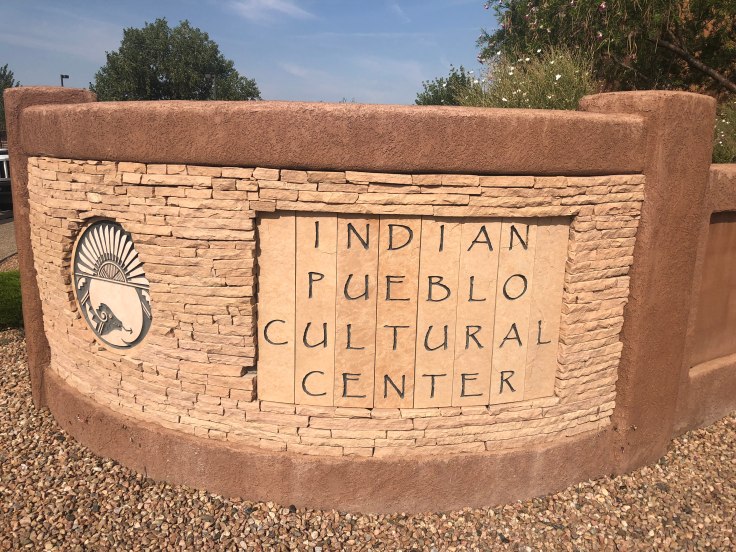
Today’s adventure started at the Indian Pueblo Cultural Museum…

img_6533img_6534

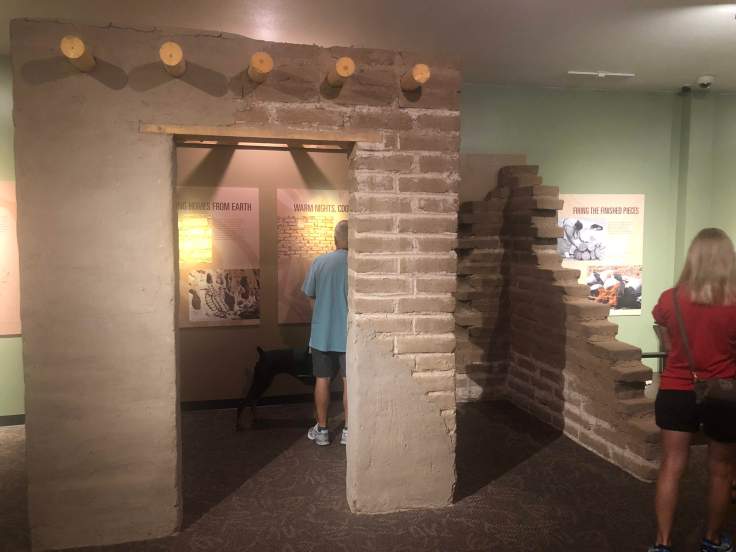
This is a very nice museum that explains the history and culture of the Pueblo Indians.  There are 19 Pueblos in New Mexico today (historically, there have been more than 100 over the years…), with many more in Arizona, and other adjacent States.  While these cultures and these Indians tend to be grouped together, each Pueblo has a different language, different culture, and different religious traditions.  The museum explored the prehistoric years, the years under the subjugation of the Spanish and then the Mexicans, and finally life under the US, with treaties, broken treaties, lands being stolen, lands being returned, forced boarding school and forced assimilation, and the era of the casinos.  It was very informative.  We will visit many of the Pueblos on the caravan.  The museum even had an exhibit on how their adobe houses were built:

img_6535

Note the “logs” poking through the walls;  these are called vigas; we will discuss these more when we get to Santa Fe…

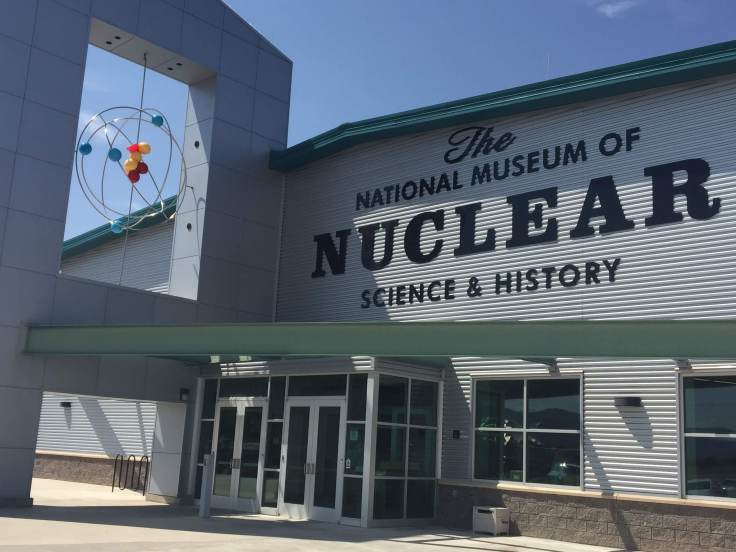
Following the Indian Pueblo Cultural Museum we traveled to the National Museum of Nuclear Science and History…

img_6537img_4502

Another interesting place…

The museum has three areas: the history, the science, and the uses of nuclear energy.

The history section had exhibits on the early scientists, the Manhattan Project, and other military exhibits, including the cold war.  They had full-size models of the three atomic bombs tested and used in World War II.  This area was of the most interest to us.

Personal side note here:  In the exhibits describing the bombing of Hiroshima and Nagasaki they explained how Col. Paul Tibbetts selected 15 crews to train for these secret missions.  The crews were trained in the new B-29 bombers.  During each mission there were seven planes involved, including three weather reconnaissance planes, plus a back-up plane waiting on the runway on Iwo Jima.  Here is the personal connection:  Our family dentist back in the 1970s and 1980s was Dr. Raymond Biel.  Biel was the co-pilot of one of the weather planes over Hiroshima and the co-pilot of the backup plane on Iwo Jima during the Nagasaki mission.  He learned of the atomic bomb after returning to the base on Tinian… Dr. Biel wrote a novel and retired early from his dental practice…

After the nuclear museum we did a little grocery shopping, fueled the truck, and returned to the RV Park.  Thunderstorms were threatening, but they never materialized;  at 7:00 we had our first “Drivers Meeting”, where we discussed the activities of this location, driving instructions for tomorrow’s travel, and future activities in and around Santa Fe…

img_6541img_6540

Tomorrow we travel to another RV Park in Pojoaque, just north of Santa Fe… We will also attempt to drive by two Frank Lloyd Wright houses…

And an enjoyable time was had by all…


2018-08-20 – WBCCI 2018 Southwest Adventure Caravan – Day 2 – Albuquerque

Our first outing for the caravan is to the Turquoise Museum, in Albuquerque.  The museum has just recently moved out of Old Town to a much larger facility…

img_6526

We carpooled with our RV park neighbors, who are from North Carolina.  We drove about 20 minutes to downtown Albuquerque, to an area near the train station.  This is “skid row” according to the locals; it was clean, but shabby.  In the midst of this area is this “castle”, surrounded by a 12′ tall wall and iron gates.  We were let in and we met with the others in the front courtyard.

We gathered and sat in the chairs provided, and we heard all about turquoise, and the role the family that runs the museum has had on the industry.  The Zachary-Lowry family has been in the turquoise business for five generations.  They have amassed one of the largest collections of rare natural turquoise in the world.  In 1993 they opened their museum, in a strip mall near Old Town.  They have just moved into this facility, and it is not yet officially open.

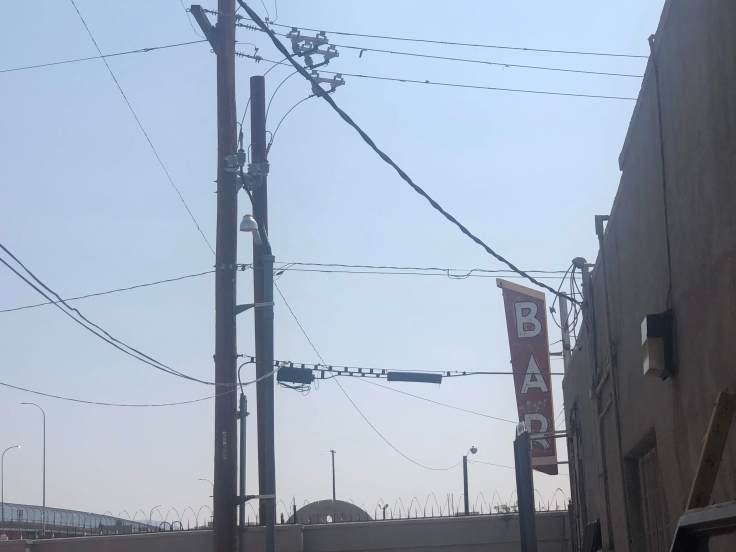
As interesting as turquoise is, I was more interested in this “castle”.  Lynda and I had been in Albuquerque 4 1/2 years ago for a friend’s wedding.  The day after, as we walked around exploring downtown Albuquerque, waiting to board the return train to California, we came across this place.  There were no signs, and no indication what it was.  It just sits here, adjacent to an overpass across the railroad tracks, next to a row of power lines and adjacent to a run-down antique jewelry store and a dive bar.  Eventually we were able to Google it and found that it is, indeed, a house. Construction started in 2006 and was completed in 2008.  Today we learned that the owner/builder, who was also the owner of the adjacent  run-down antique jewelry store, lived here for about four years before she passed away.  The house stood empty until six months ago, when the Museum of Turquoise started moving in.  One of the interesting facts we learned today was that Mrs. Zachary, who built the house, had been briefly married to a member of the Zachary family many years ago – Zachary, the family that has amassed this fabulous collection of turquoise, and who now operates the museum here… apparently the museum leases the “castle” from the estate and descendants of old Mrs. Zachary.

So after we heard all about turquoise, we were able to tour the house.  And what a house it is… A huge mess of a building, typical of houses designed by old people with some sort of idea of what a 500 year old castle ought to look like.  I was intrigued, and I always love to see odd houses, no matter how ugly they might be… One of the more interesting things of this house is the site:

img_6529

The back yard features views of the highway overpass, her own billboard, and razor wire atop the back yard fence.

img_6531

The sign for the adjacent bar hovers over the back yard fence.

img_6527

And the power lines alongside the driveway that leads to the garage.

But the Museum of Turquoise really is a fascinating place, as is the family that runs it.  As we toured the museum there were five or six members of the family – three generations – were on hand to explain and answer any questions we had.

We learned that New Mexico actually has very few turquoise mines; in the US, the most, and best, turquoise mines are in Nevada.  Turquoise mines are also in Iran, China, and other countries with arid regions.  Since the Indians in New Mexico were great artists and crafters of turquoise, they had to trade for it.  This starts to explain the importance of trading posts in the history of New Mexico.

Turquoise is a semi-precious opaque mineral composed of hydrated copper and aluminum phosphate.  About 85% of turquoise is white, with a soft consistency and other characteristics much like chalk.  Only about 15% has enough color and hardness to be called “natural” turquoise.  The word “natural” is key here.  The US Federal government defines “natural” turquoise to be the one true indicator of semi-precious, gemstone  turquoise.  If you buy turquoise and you are given a “certificate of authenticity”, if it doesn’t say “natural”, you bought junk.  It may be beautiful junk, but it is not the semi-precious, gemstone-quality turquoise you might have thought it was.

Turquoise made from the softer, chalk-like substance, has been treated:  it has been dyed, reconstituted, stabilized, enhanced, oiled and/or waxed.  While it may make  beautiful jewelry, it does not have the enduring quality, or value, of natural turquoise.  Interestingly, the most rare and expensive natural turquoise is mined in the US.  However, some of the highest quality natural turquoise comes from China; because of the vast quantities of Chinese turquoise it is available at a much lower price.

There is also imitation turquoise, otherwise known as plastic.  Again, these pieces may be very beautiful, but they don’t have anywhere near the value of natural turquoise.

So how can you tell if the turquoise necklace you just bought is worth what you paid for it?  How can you protect yourself from misrepresentation?  Get it in writing!  Turquoise dealers are required by law to provide an accurate certificate or receipt, truthfully stating what you have bought.  If he tells you the jewelry you are buying is sterling silver and natural turquoise, and was hand made by  a Native American artisan, ask that this information be spelled out on your receipt.  Any reputable dealer will be glad to give you a detailed written confirmation.

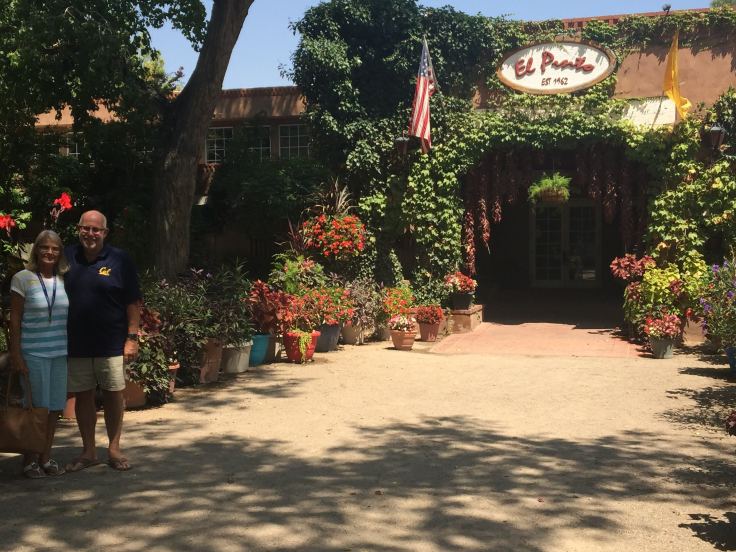
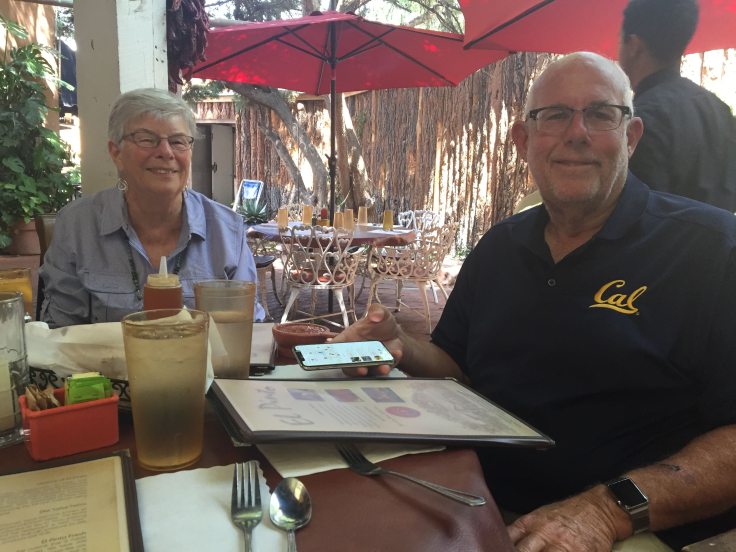
After our morning at the Museum of Turquoise we needed a little lunch.  We drove to El Pinto, a New Mexican restaurant in north Albuquerque that is dripping with charm:

img_6532img_4495img_4499

The food was fabulous!

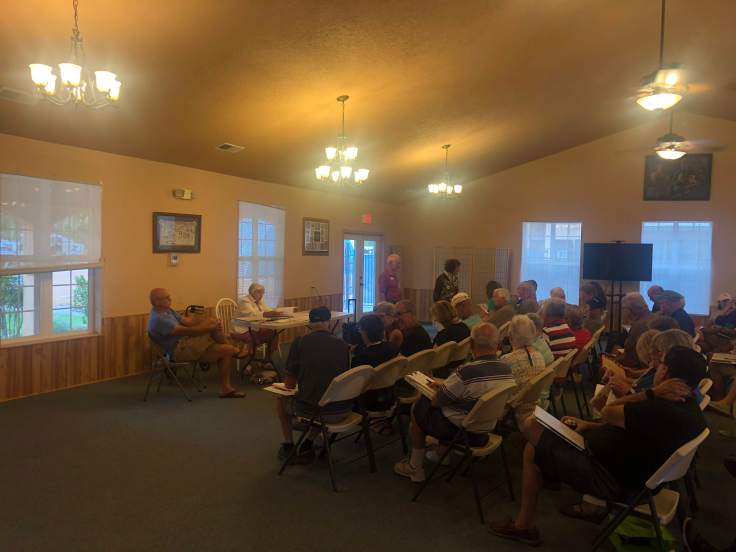
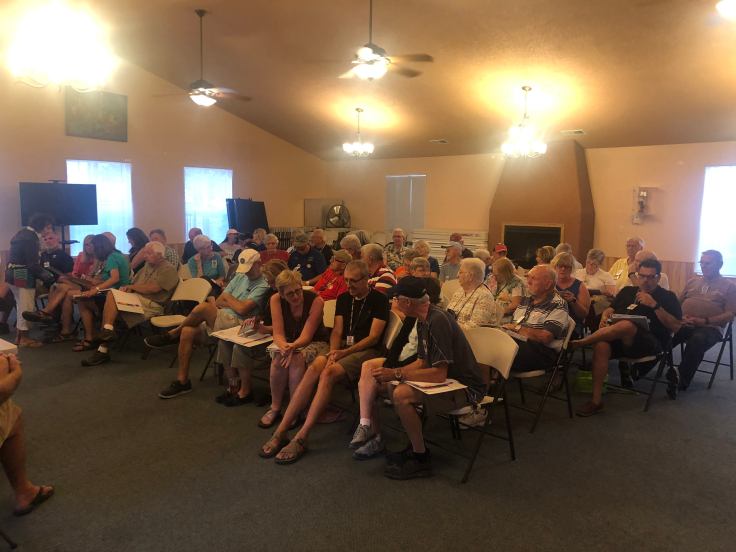
We returned to the RV park and had a leisurely afternoon.  At 5:00 we joined four other caravan couples for the first “Fandango”.  This caravan calls the traditional “Get Acquainted Meeting” (GAM) a Fandango, just for fun…

So we had happy hours, meeting and getting acquainted with these other four couples.  We will do this seven times, so that after about two weeks we will have had a chance to meet and spend time with all 60 caravaners.

And after the Fandango we returned to the Villa. And an enjoyable time was had by all…


Blog at WordPress.com.

Up ↑