Search

Adventures in the Villa

2019-04-21 – Airstream Caravan Travels – Easter Sunday and moving from Asheville, NC to Chattanooga, TN

We had a leisurely morning.  It was cold!  41 degrees!  We had a little hitching up to do; at about 9:30 we pulled out of the RV park and drove 5 miles into downtown Asheville.  We parked at the Visitor Center (it was closed), and walked towards the First Presbyterian Church.  It is Easter!

img_2105

By the time we were approaching the church we noted that we were over one hour early.  And we were cold!  So we stopped into Mayfel’s for brunch.  The Crab Cakes Benedict was great!

img_2104img_7918

Brunch over, we walked the 3 short blocks to church.  We were none too early.  This is not a “five minute church”.  We always worry when we attend a church as we are traveling that we are sitting in someone’s favorite seat!

FPC Asheville 1FPC Asheville 2

We didn’t take these photos while we were there – I stole them off the internet…

This was a lovely, VERY traditional Easter Service; organ, orchestra, choir, and the singing of the Hallelujah Chorus at the end.  We were invited to join the choir to sing!  (Not just us – everyone was invited…).  It was very nice…

We slipped out after the final singing and walked back to the Villa.  We pointed the truck west and we were off.  Quite a late start for us, but the weather was beautiful, and we had no reason to arrive at our destination (Chattanooga, TN) at any particular time…

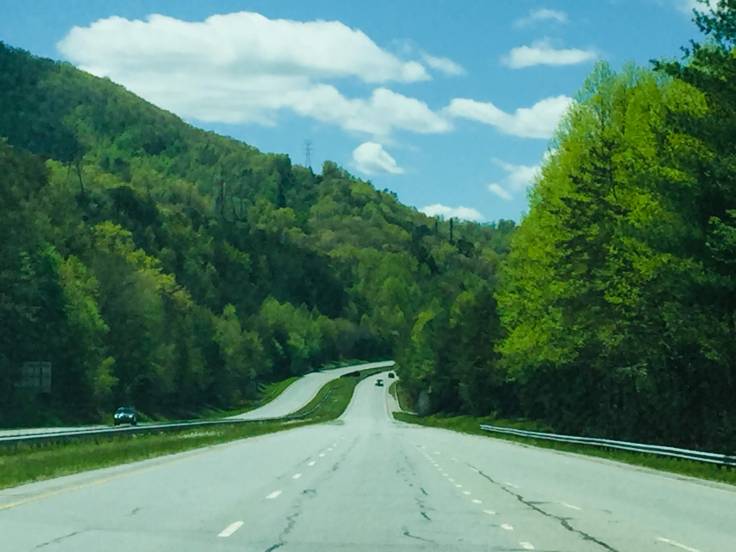
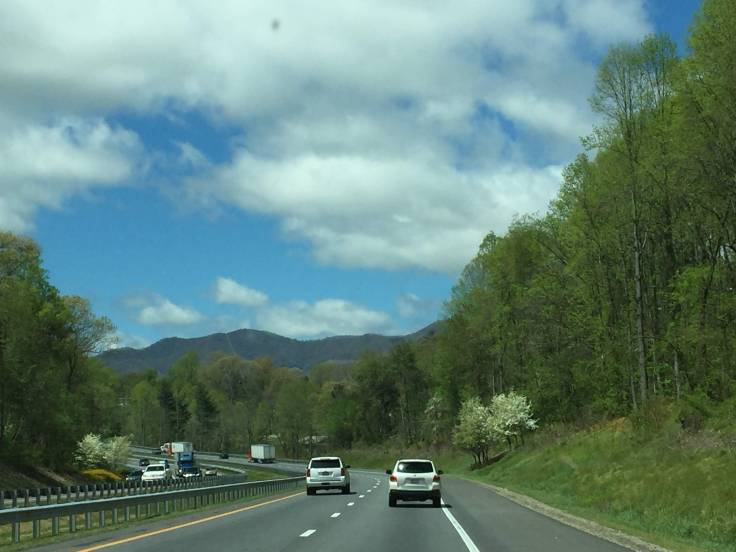
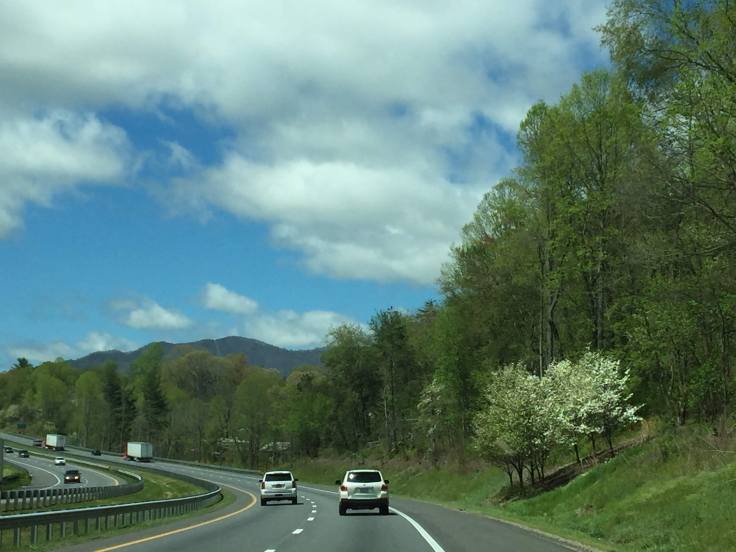
The freeway out of Asheville; different than all the other southern states we have seen…

img_7919img_7920img_7924img_7925

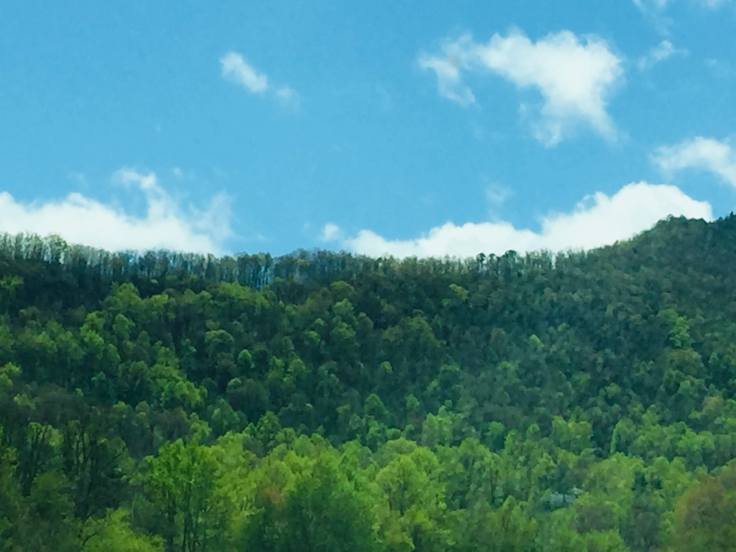
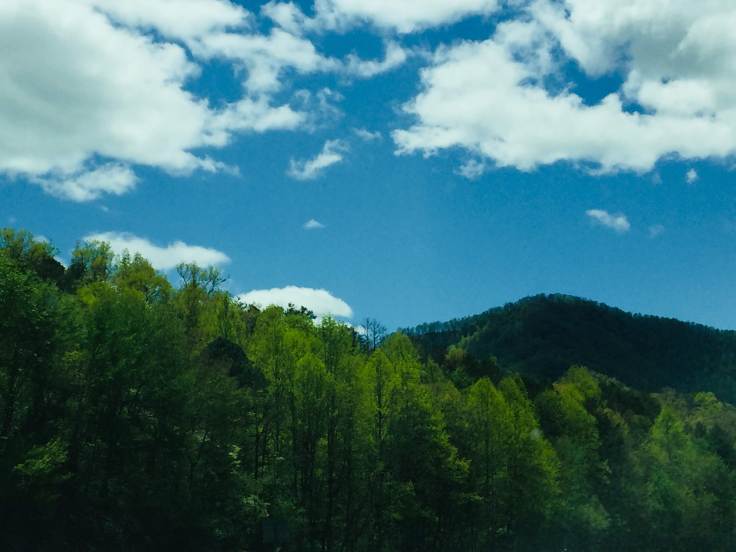
It was great to see blue sky again!

img_7926img_7927img_7928

We pulled off the 40 Interstate to the 74.  No trucks!  It was a beautiful freeway for awhile…

img_7929

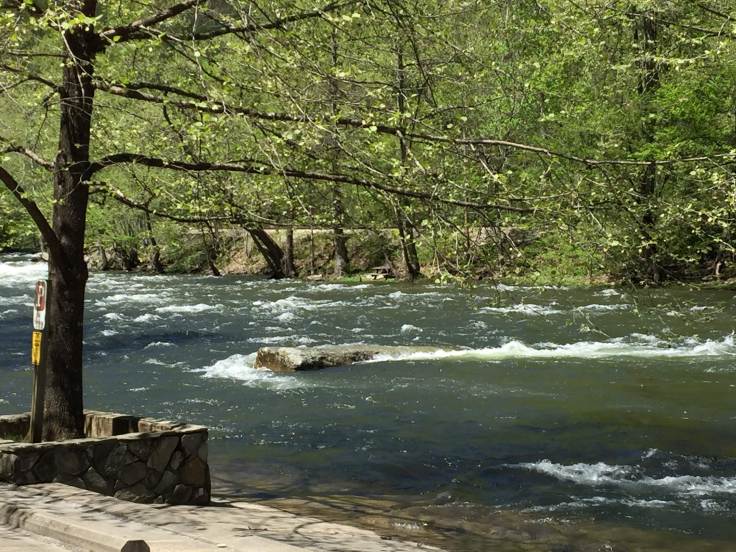
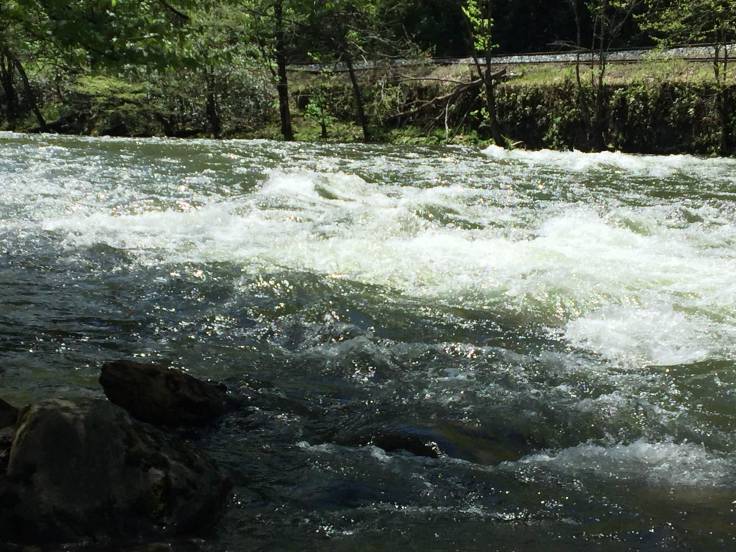
And then we entered the Nantahala Gorge… Two lane road, sharp turns, and a raging river!

img_7930img_7931img_7932img_7933img_7934img_7935

We stopped to take it all in…

img_7937

Eventually we reached Murphy, NC, where we stopped to do a little grocery shopping…

img_2106

Soon we were in Tennessee…

img_7939

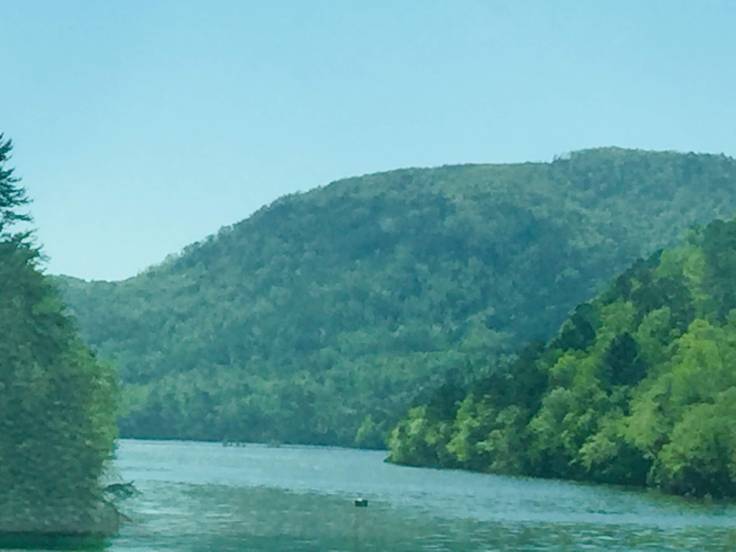
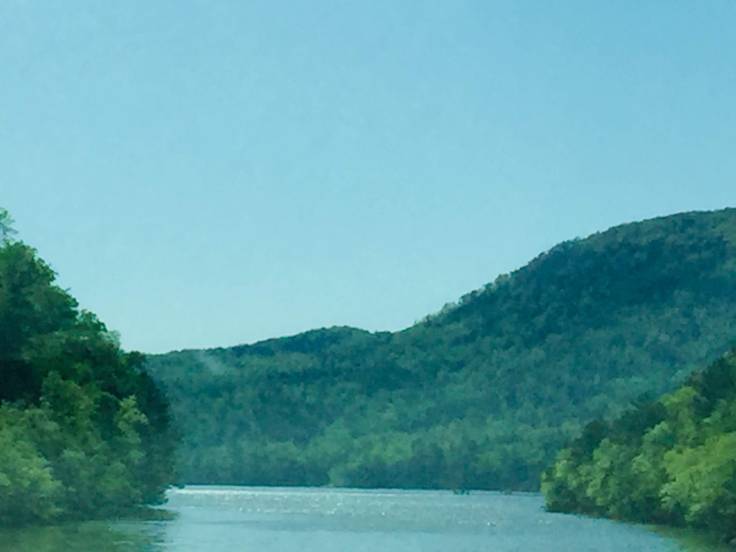
The small roads continued, with views of rivers and lakes…

img_7946img_7953img_7955img_7958img_7964img_7965img_7967img_7968

We reached Chattanooga and the Raccoon Mountain RV Park at about 6:00…

img_7969

The park is in a canyon, with views of mountains all around…

img_2109img_2110

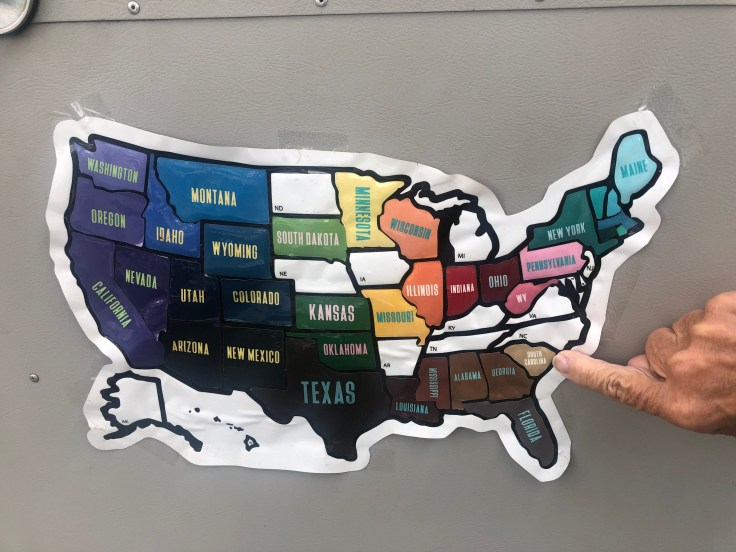
Time to affix the sticker for the new state!

img_2107

Happy hours and dinner ensued, and an enjoyable time was had by all…

2019-04-20 – Airstream Caravan Travels – Asheville, NC and Biltmore!

Today we went to see the Biltmore Estate, right here in Asheville.  We arrived, parked, and walked about 1/2 mile to the see grand vista over the front lawn:
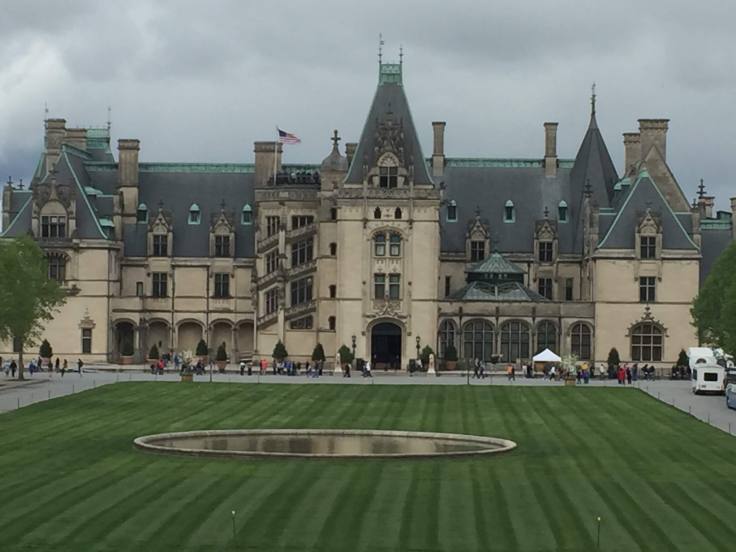
img_7904

This is the largest privately owned house in America.  Yes, it is still owned by the Vanderbilt family, the 5th generation since George Washington Vanderbilt II had the house built between 1889 and 1895.  The house is a Châteauesque-style mansion, and it measures over 178,000 sq. ft.  It is one of the finest examples of mansions of the “Gilded Age”.

We walked down the lane adjacent to the lawn, then stood in line in the biting cold while we waited to be admitted at the appointed hour.  At least we had something interesting to look at…

img_2076img_2078img_2079

In the 1880s, at the height of the Gilded Age, Vanderbilt began to make regular visits to the Asheville area. He loved the scenery and climate so much that he decided to build his own summer house in the area, which he called his “little mountain escape”.  His older brothers and sisters had built luxurious summer houses in places such as Newport, Rhode Island, and Hyde Park, New York.   (See my blogs from the summer of 2017…)  Their father, William Vanderbilt, had died unexpectedly young, so his massive fortune was inherited by his many children while they were in their 30s; they all went on a building spree, spending all this money.  But George Vanderbilt did not get along with many of his siblings, and he was considered a black sheep of the family, so he had no desire to build his house near theirs.  Vanderbilt bought almost 700 parcels of land, including over 50 farms and at least five cemeteries; a portion of the estate was once the community of Shiloh.  A total of 125,000 acres were assembled.  Archives show that much of the land was in very poor condition, and the farmers and other landowners were glad to sell.

Vanderbilt hired Richard Morris Hunt to design the mansion, with Frederick Law Olmstead hired to design the grounds.  Olmstead turned the 8,000 acres directly around the mansion into luxurious parks, woods, meadows, and gardens.  The rest of the land was made into commercial lumber forests.

Construction of the house began in 1889. In order to facilitate such a large project, a woodworking factory and brick kiln, which produced 32,000 bricks a day, were built onsite, and a three-mile railroad spur was constructed to bring materials to the building site.  A separate village (Biltmore Village) was built to house many of the workers and their families and to attend to their daily needs.  A trade school (Biltmore Estate Industries) was opened to train the local youths in making hand-crafted wares.  Biltmore Dairy was built to provide milk, butter and other foods to the newly formed community.  Construction on the main house required the labor of about 1,000 workers, including 60 stone masons.  Vanderbilt went on extensive trips overseas along with Hunt to purchase decor as construction on the house was in progress. He returned to North Carolina with thousands of furnishings for his newly built home including tapestries, carpets, paintings and prints, linens, and decorative objects, all dating between the 15th century and the late 19th century.

George Vanderbilt opened his opulent estate on Christmas Eve of 1895 to invited family and friends from across the country who were encouraged to enjoy leisure and country pursuits.  George married Edith Stuyvesant Dresser in 1898 in Paris, France; their only child, Cornelia Stuyvesant Vanderbilt, was born at Biltmore in 1900, and grew up at the estate.

The appointed hour arrived; we were allowed into the house.  They have an excellent audio tour which allowed us explore at our own pace.  Also interesting is the way the tour has been “curated”.  The audio tour makes it seem like the butler has greeted us in the entry hall, and he is going to escort us through the house, introducing us to other house-guests and servants  and showing us the many features of the house.  We are all here for one of the famous house parties, and the gala banquet is tonight.

All the rooms are populated with manikins with clothing recreated to match period photos of the Vanderbilt family. (Yawn)

The house and the family have an interesting history:

The family occupied the house from 1895 and into the early 20th century, living their lavish lifestyle.  Then, in 1914, to combat the impact of the newly imposed income taxes, and the fact that the estate was getting harder to manage economically, Vanderbilt initiated the sale of 87,000 acres to the federal government.  Before the sale was finalized, Vanderbilt unexpectedly died (of complications from an emergency  appendectomy); his widow completed the sale and that property became the nucleus of the Pisgah National Forest.  Still overwhelmed with running such a large estate, Edith Vanderbilt began consolidating her interests and sold several separate businesses that had been established when the house was built: Biltmore Estate Industries in 1917 and Biltmore Village in 1921.  Edith intermittently occupied the house, living in an apartment carved out of the former Bachelors’ Wing, until the marriage of her daughter to John Francis Amherst Cecil in April 1924.  The Cecils went on to have two sons who were also born in the house.

In an attempt to bolster the estate’s financial situation during the Great Depression, Cornelia and her husband opened Biltmore to the public in March, 1930, at the request of the City of Asheville, which hoped the attraction would revitalize the area with tourism.  

After the divorce of the Cecils in 1934, Cornelia left the estate never to return; however, John Cecil maintained his residence in the Bachelors’ Wing until his death in 1954. Their eldest son, George Henry Vanderbilt Cecil, occupied rooms in the wing until 1956. At that point Biltmore House ceased to be a family residence and continued to be operated as a historic house museum.

Their younger son William A. V. Cecil, Sr. returned to the estate in the late 1950s and joined his brother to manage the estate (which was in financial trouble) and make it a profitable and self-sustaining enterprise like his grandfather envisioned.  He eventually inherited the estate upon the death of his mother, Cornelia, in 1976, while his brother, George, inherited the then more profitable Biltmore Dairy, which was split off into Biltmore Farms.  In 1995, while celebrating the 100th anniversary of the estate, Cecil turned over control of the company to his son, William A. V. Cecil, Jr.  After the death of William A. V. Cecil in October 2017 and his wife Mimi Cecil in November, their daughter Dini Pickering began serving as board chair and their son Bill Cecil is CEO.  The Biltmore Company is still privately held.

Today, the estate property is 4,300 acres.  The property is run as an “amusement park” for tourists who love gilded age estates.  There is a hotel and an inn, restaurants, a winery,  several gift shops, a nursery, and every other thing that tourists love.  (No roller coaster.  yet…)  The main house and the views are well protected, but it is clear that they want you to come and stay a week and spend lots of money along the way…

Biltmore has 250 rooms in the house, including 35 bedrooms for family and guests, 43 bathrooms, 65 fireplaces, 75 servant bedrooms, three kitchens, and 19th-century novelties such as electric elevators, forced-air heating and cooling, centrally controlled clocks, fire alarms, and a call-bell system.  The principal rooms of the house are located on the ground floor.  The largest room in the house is the Entry Hall.  (Just like my 1905 house in Redlands…)

img_2082

(My center table is smaller, with fewer flowers…)

The Winter Garden always seemed like a strange place to me, but I’ve never spent a winter in Asheville, NC.  The skylight is marvelous:

img_2080

The Banquet Hall measures 42 feet wide and 72 feet long, with a 70-foot-high barrel-vaulted ceiling. The table can seat 64 guests, overlooking the triple fireplace that spans one end of the hall. On the opposite end of the hall, on the upper level, is an organ gallery that houses a 1916 Skinner pipe organ.

img_2095img_7910img_2096img_7908img_2098

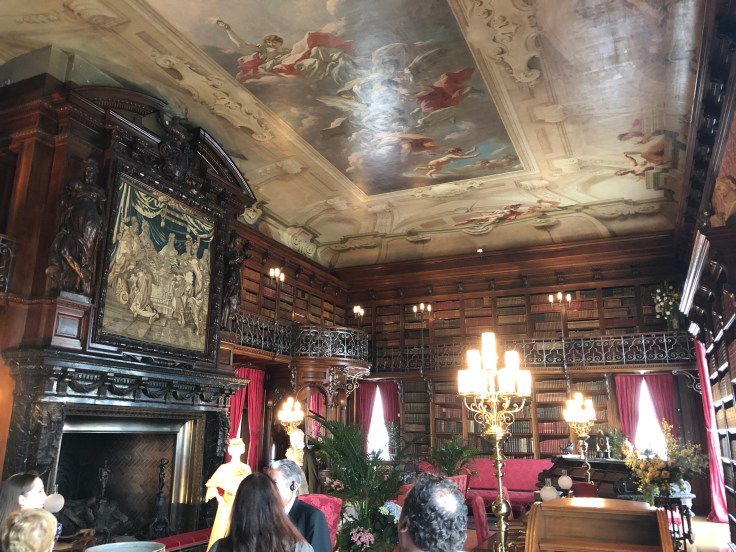
To the left of the entrance hall is the 90-foot-long Tapestry Gallery, which leads to the Library, featuring three 16th-century tapestries. This room serves little function except as a place to showcase the three tapestries.  We did hear on the tour that the family took tea here in the afternoons…

img_7907-1

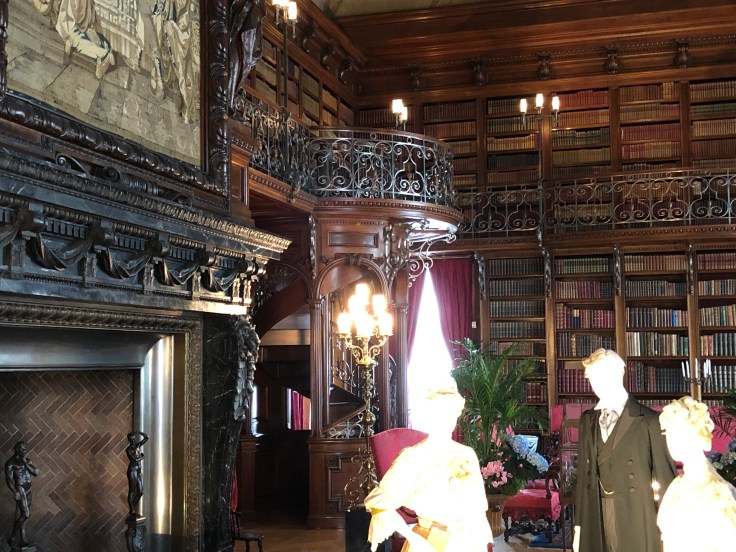
The two-story Library contains over 10,000 volumes in eight languages, reflecting George Vanderbilt’s broad interests in classic literature as well as art, history, architecture, and gardening.  The second-floor balcony is accessed by an ornate walnut spiral staircase, and the balcony includes a passage behind the fireplace.
img_2083img_2084img_2085img_2086

The second floor of the house is accessed by the cantilevered Grand Staircase of 107 steps spiraling around a four-story, wrought-iron chandelier holding 72 light bulbs.  The Second Floor Living Hall is an extension of the grand staircase as a formal hall and portrait gallery.  Located nearby in the south tower is George Vanderbilt’s gilded bedroom with furniture designed by Hunt.  His bedroom connects to his wife’s Louis XV-style, oval-shaped bedroom in the north tower through a Jacobean carved oak paneled sitting room with an intricate ceiling.

The remainder of the second floor contains various elaborate bedroom suites for family and close family friends and other honored guests.

The third floor has many guest rooms for couples, families, and single women, each given names that describe the furnishing or artist with which they were decorated.  The rooms all have connecting doors so that they can be configured into suites as needed…

The fourth floor has more than 20 bedrooms that were inhabited by housemaids, laundresses, and other female servants.  Also included on the fourth floor is an Observatory with a circular staircase that leads to a wrought iron balcony with doorways to the rooftop where Vanderbilt could view his estate.  Male servants were not housed here, however, but instead resided in 40+ bedrooms above the stable complex.

The guest rooms for bachelors were on the second and third floors on the opposite end of the house, adjacent to the service courtyard and stables complex.  It contains the Billiard Room, which is equipped with both a custom-made pool table and a carom table (table without pockets).  The room was mainly frequented by men, but ladies were welcome to enter as well.  Secret door panels on either side of the fireplace led to the private quarters of the Bachelors’ Wing, where female guests and staff members were not allowed.  The wing includes the Smoking Room, which was fashionable for country houses, and the Gun Room, which held mounted trophies and displayed George Vanderbilt’s gun collection.

The basement level featured activity rooms including an indoor 70,000-gallon heated swimming pool with underwater lighting, a bowling alley, and a gymnasium with once state-of-the-art fitness equipment.  The service hub of the house is also found in the basement; it contains the main kitchen, pastry kitchen, rotisserie kitchen, several walk-in pantries, walk-in refrigerators, the servants’ dining hall, laundry rooms and additional bedrooms for staff.  The sub-basement contains the heating and air conditioning systems, giant water heaters, and massive storage rooms.

So after two hours of fun we returned to the truck… We did get to drive through the entrance court and the formal gates…

img_2099

Unfortunately, due to the severe rains, a few of the estate roads were closed, and their signs pointing us to the exit were faulty.  But after driving around in circles for 45 minutes we made our way out.  The views along the way were pure North Carolina:

img_7913img_7914img_7917

I had been to Biltmore many years ago, on a tour given via the AIA convention.  We had the regular tour, then a special tour just for us architects, where we saw the attic and roof structure, the servants rooms, several un-restored guest rooms, the bachelor quest quarters, and even the sub-basement.  After the tours we were given free access to return to any of these spaces for the rest of the day.  It was marvelous…

None of the gaudy details and goo-gaas impress me (that’s why I am not posting hundreds of photos of every room…); what interests me the most is the incredibly complicated program that Hunt and Vanderbilt worked out.  Remember, Vanderbilt was not even married when the house was designed and built.  The complexity of the separate areas for family and guests, male and female servants, separate circulation hallways and stairs so that the servants could move about the house relatively inconspicuously – all this is so very complicated in a house of this size.  I love this stuff!

The plantation Big Houses were nice to look at, but they were only 3, 6, or 8 rooms to a floor, with no bathrooms, no servants quarters, no kitchens, no mechanical systems – just simple boxes.  The complexity of  a great house like Biltmore, with 250 rooms and multiple stairs and circulation spaces… Wow!  It was great fun to see…

We returned to the Villa in the rain, and had a relaxing afternoon and evening.

And an enjoyable time was had by all…

2019-04-19 – Airstream Caravan Travels – Columbia, SC to Asheville, NC…

We had a little unexpected excitement this morning when I went out to start to prepare to hitch up:

img_2066

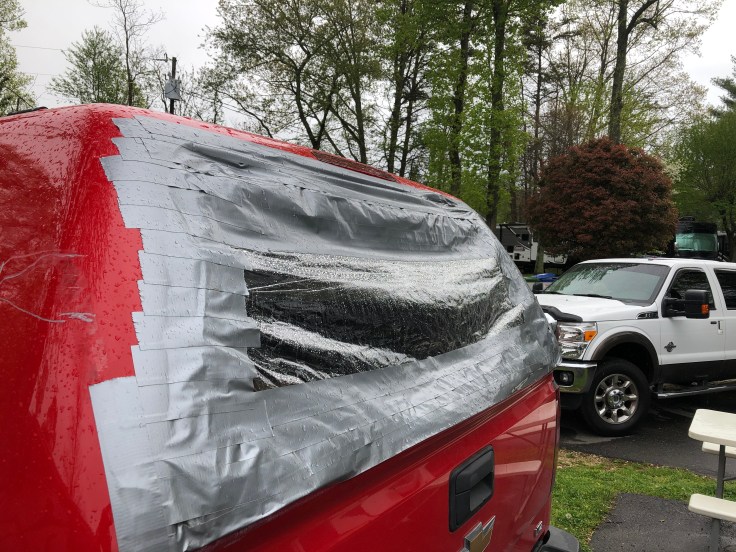
The rear window/hatch of my camper shell had shattered.  There were no signs of foul play, no rocks, nothing missing out of the truck.  The most valuable thing in the truck are extra bottles of bourbon, and they were all fine.

The nearest SnugTop dealer is in Oklahoma City – we will not be getting this replaced any time soon…

But we had plastic sheeting and duct tape; a few minutes later, with a lot of help from the VanZanens, we are ready to go:

img_2100

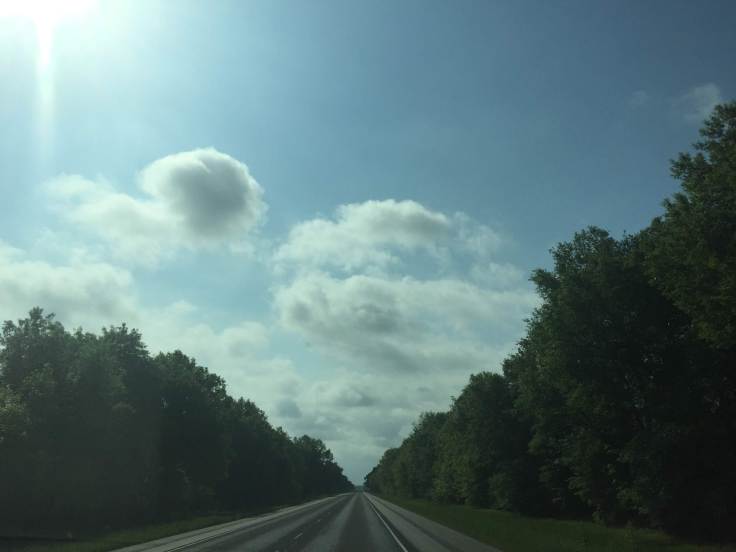
We are driving today from Columbia, SC to Asheville, NC.  This is somewhat northwest, and it is a fine interstate highway all the way.  Frankly, I’m getting a little bored with these interstates here in the south – they look like they just cut a giant swath through hundreds of miles of forest; and they all look alike – like this:

img_7409

In any case, we were traveling along all nice and comfortable and some time around noon, somewhere south of Spartanburg, it started to rain.  Hard.  Very hard!

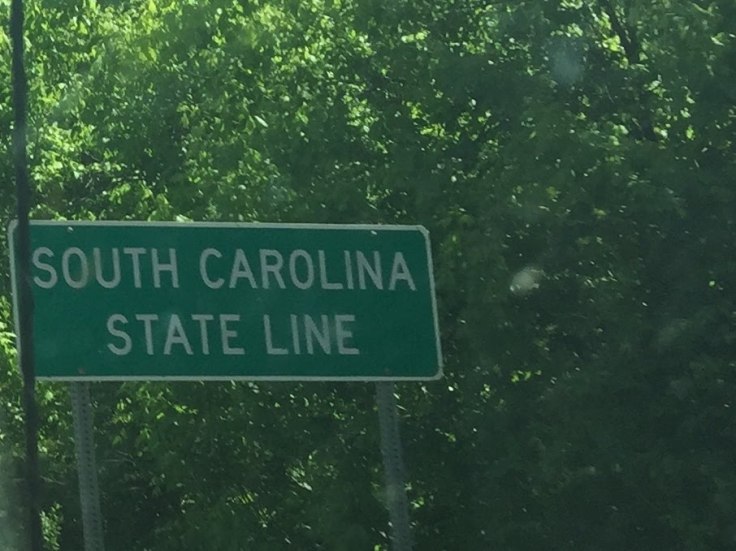
But the roads were good and the traffic kept moving most of the time.  Eventually we came to the North Carolina border:  (Trust me on this…)

img_7894

By 3:00 pm or so we had arrived in Asheville; we backed into our spot, hooked up electricity, and huddled inside while the rain pounded on the roof and the skylights…

Finally around 5:00 pm the rain started to slow a bit; We checked out the RV park, and bought some coax cable so we could reach the cable connection…

img_2070img_2071

We added one more sticker…

img_2073

The vistas around the park are lovely.  This is the first time we have been in hills and mountains…  (Sunday we will drive through the Great Smokies!)

img_7898img_7899

The cherry trees and the dogwood trees are in bloom, although the rain has washed off all the cherry blossoms onto the ground…

img_7900img_7901img_7902

Happy hours and dinner of several days’ worth of left-overs ensued.

And an enjoyable time was had by all…

2019-04-18 – Airstream Caravan Travels – Columbia, SC…

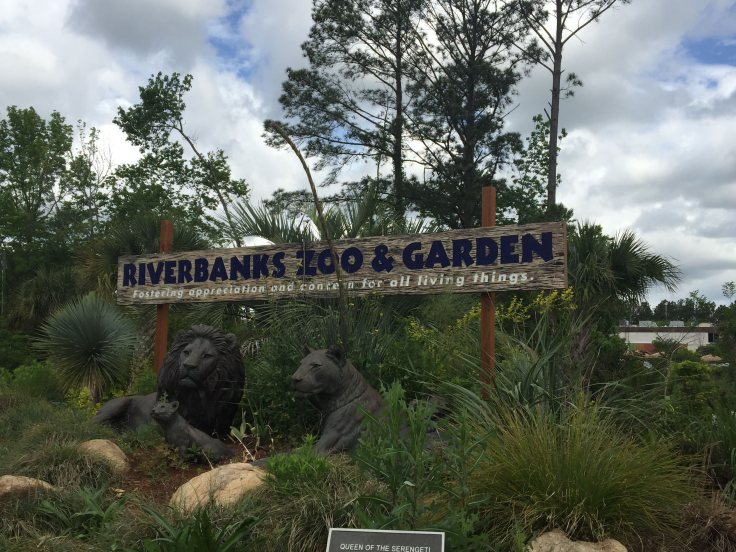
This morning we met the VanZanens at the zoo… And you know how much I love zoos!

img_2046img_7876img_2045img_7870

Just a reminder:  Flamingos have nothing to do with Airstreams!  There is no connection, no tradition, no reason to wear flamingo-emblazoned clothing, no reason to install flamingos around your Airstream!

img_7872img_7873

Feeding the giraffe!

img_7875

After the zoo we went to downtown Columbia…

First Presbyterian Church:

img_2050img_2049img_2048img_2047

The church is surrounded by  a cemetery, dating back to the early 19th century.  Woodrow Wilson’s parents are buried here, as is the wife and four children of a man who went back to Connecticut in 1855 because he was a northerner and was unhappy with the political climate in South Carolina.  There are also numerous political figures, ministers, and church families.  Very interesting!

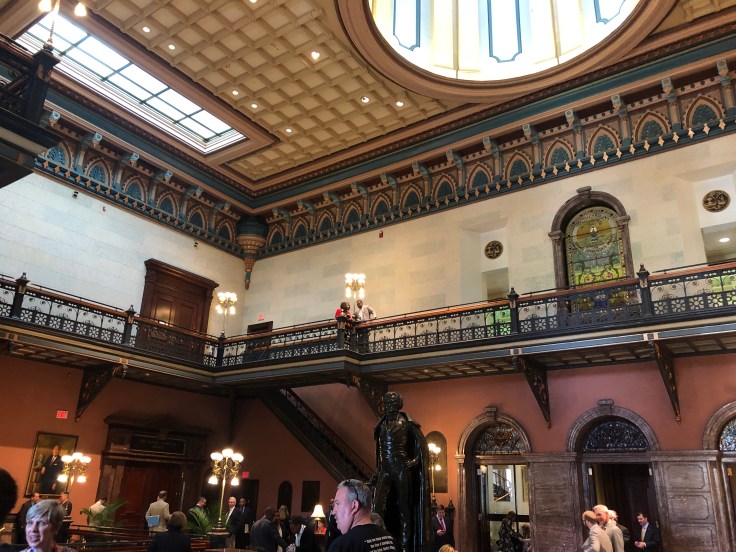
We then walked to the capitol building; great story on the plaque about the construction and destruction… Note that one of the broken columns from the capitol was used as a confederate memorial in the Presbyterian church cemetery…

img_2053img_2055

Lynda and Maria with George Washington…

img_2054

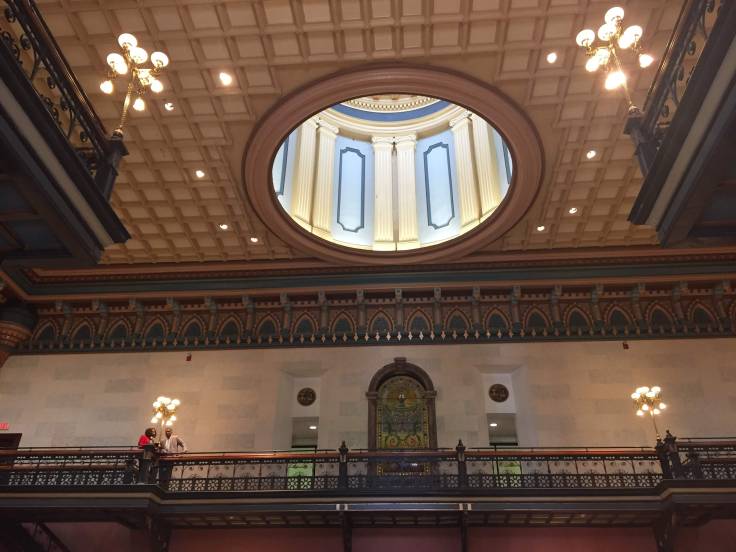
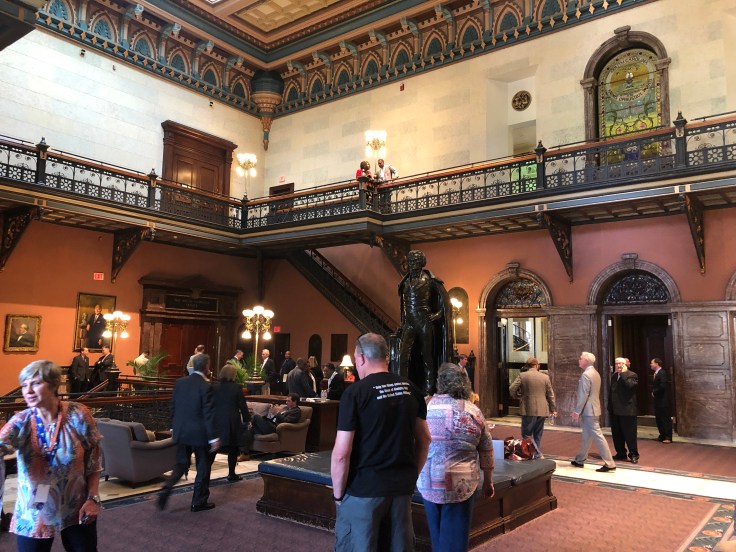
Inside the main lobby, looking up at the rotunda…

img_2056img_2057

Legislative chambers of the SC House of Representatives… when we arrived into the lobby it was packed with men and women in suits; the House had just adjourned; the Senate was still in session…

img_7879img_7880img_2058img_2059

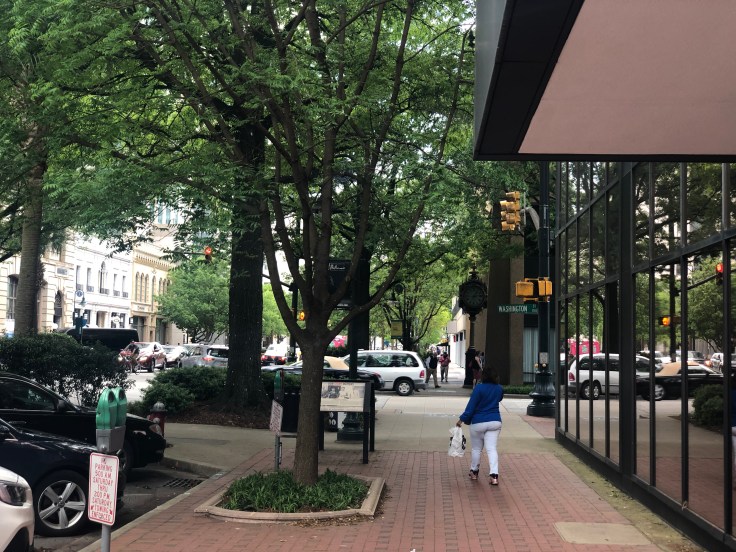
We exited through the main portico and continued walking through downtown…

img_2060

Soon lunch happened at the Blue Marlin; very nice!  It is located in the old train station…

img_7881img_7882img_2061img_2062img_2063

After enjoying the streets of downtown we drove a short ways to a river-walk; we walked about 1/2 mile down, then back up along the river…

img_2065img_7888

We reconvened at Brent’s house and enjoyed happy hours; more family time…

img_7891img_7890

We returned to the Villa; an enjoyable time was had by all…

2019-04-17 – Airstream Caravan Travels – Chattahoochee Hills, GA to Columbia, SC…

We woke up in the Villa on the farm outside Serenbe… it was cold!  The Villa was cold!

img_7858

We walked to the hamlet of Selborne and had a tasty breakfast at the Bake Shop, called Blue Eyed Daisy.

img_2031

Walking back to the Villa we passed these pastoral scenes…

img_2033img_7863

We hit the road, trying to avoid the traffic that is Atlanta.  Soon we were heading east on the 20, heading to Columbia, SC.  And there we were…

img_7864

img_2044

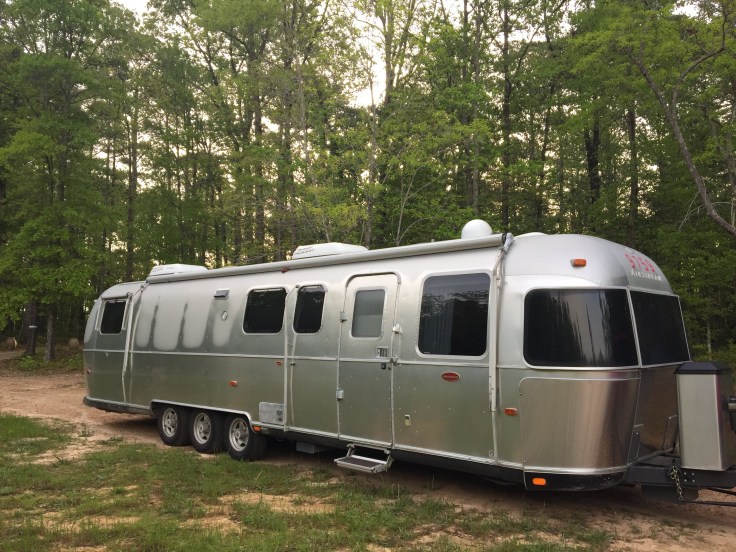
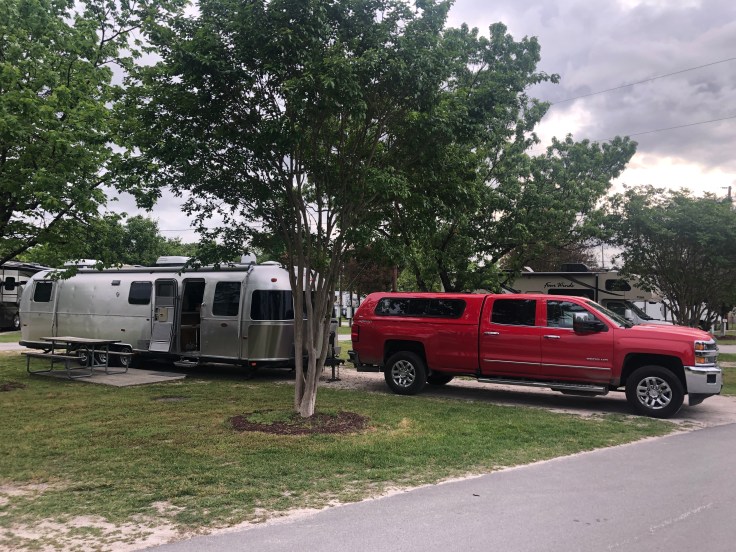
We are visiting Lynda’s sister and some of her family here in South Carolina.  Soon we arrived in Columbia and set up in the RV park…

img_2067

We left for Maria’s sister’s house about 2:00 and enjoyed an afternoon of catching up and a lovely dinner…

And that was about it!  No touristing today; maybe more tomorrow…

And an enjoyable time was had by all…

2019-04-15 – Airstream Caravan Travels – Tallahassee, FL…

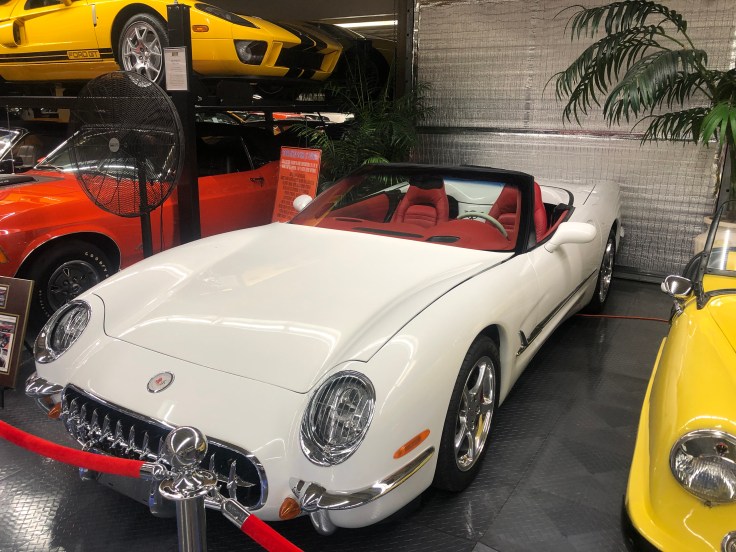
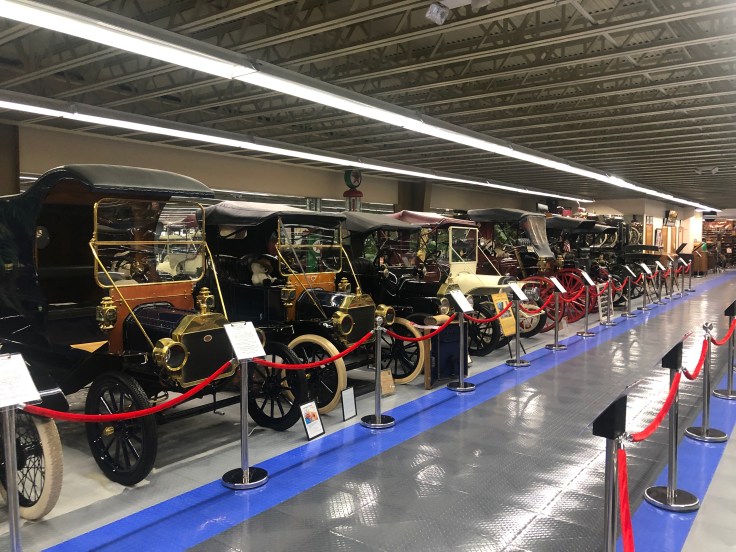
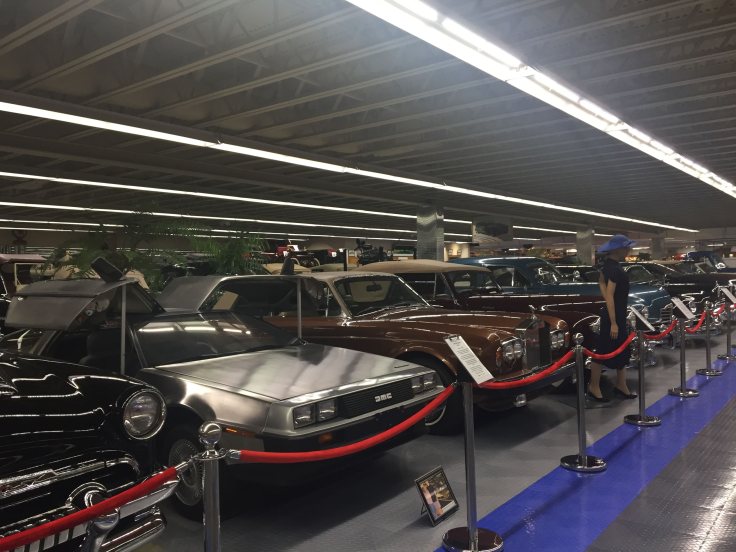
This morning we walked 1/2 mile down the road to the Tallahassee Automobile Museum.  We enjoyed looking at old cars; some of the other collections, not so much.

img_2010

There were row after row of cars, from the late 1890s to the 1980s…

img_1989img_1990img_7838img_7839img_1992img_1993img_1994img_1995img_7841img_1996

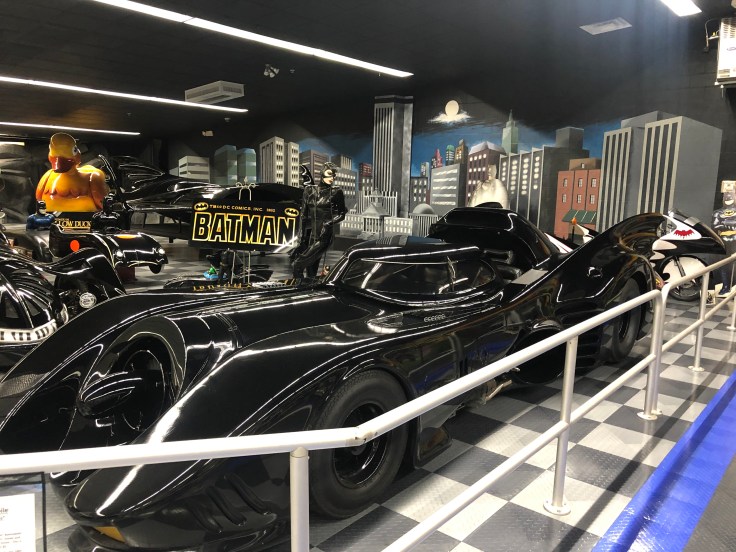
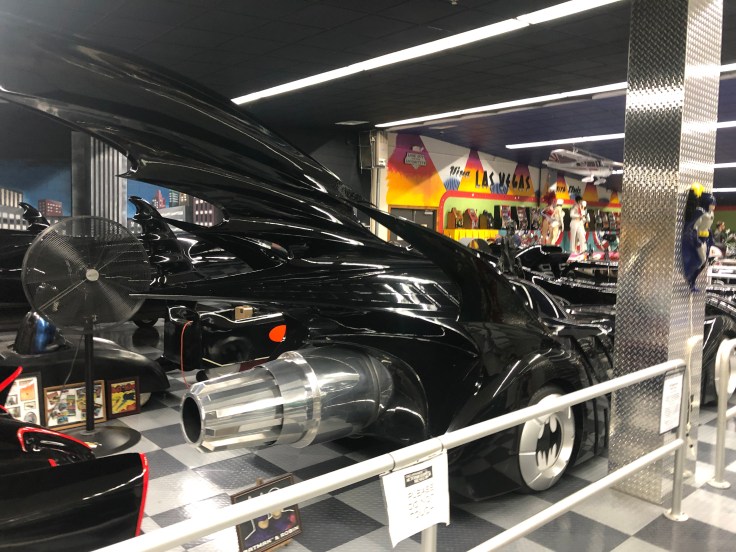
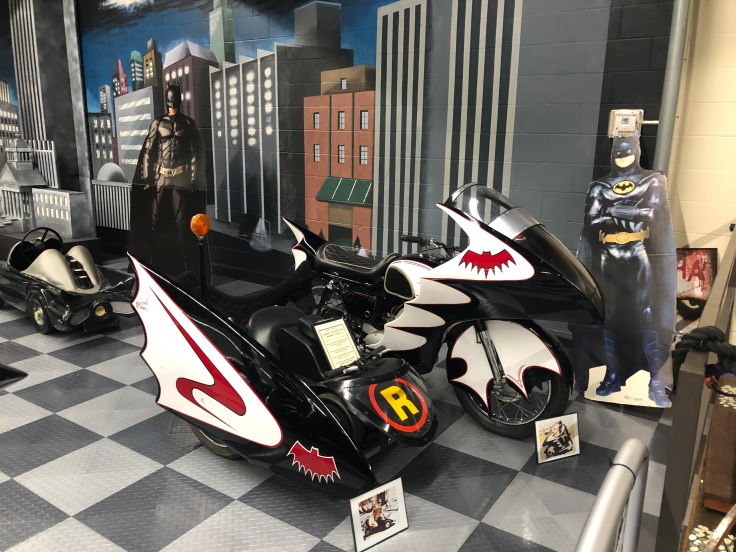
They had lots of Bat-mobiles, a Bat-plane, and a Bat-motorcycle…

img_1998img_1999img_2001img_2002img_7842img_2003img_2004img_2005

And then we had to scratch our heads at the collection of old, worn-out golf clubs… not to mention knives, dolls, medallions,and other things that people collect; this place is sort of a collection of collections…

img_1997

We had a fun hour or so – nothing earthshaking… We returned to the Villa and caught up on some errands…

That evening we went to eat at a Farm-to-Table restaurant called Backwoods Crossing that was very good!

img_2007img_7843

We were joined by two other Airstream couples from the area…

And an enjoyable time was had by all…

2019-04-14 – Airstream Caravan Travels – Tallahassee, FL, and Frank Lloyd Wright

All night long I heard and saw tornado warnings on the weather channel; storms were coming in from the west.  We were up at 6:00 am to hitch up and go; then ambulances and fire trucks rolled in, blocking all traffic lanes in the RV park.  Apparently there was some minor medical issue 3-4 trailers down the row…  But by the time we were ready to go they had all left, and we rolled out at 7:00 am.  We saw lots of lightning as we drove north 15 miles, then, as we turned east we started to get some light rain.  But no tornadoes, no hazardous wind (despite the large flashing signs warning us about hazardous winds…), and the rain soon stopped.  We heard of terrible storms in Michigan and Texas and Alabama, but I think the storm had petered out by the time it got to Florida…

We arrived safely in Tallahassee and set up in a nice RV park.  We walked around and found another Airstream – and found out that it was another couple that we knew from an earlier caravan, and who will be going on the Kentucky caravan with us!  Small world!

img_7822

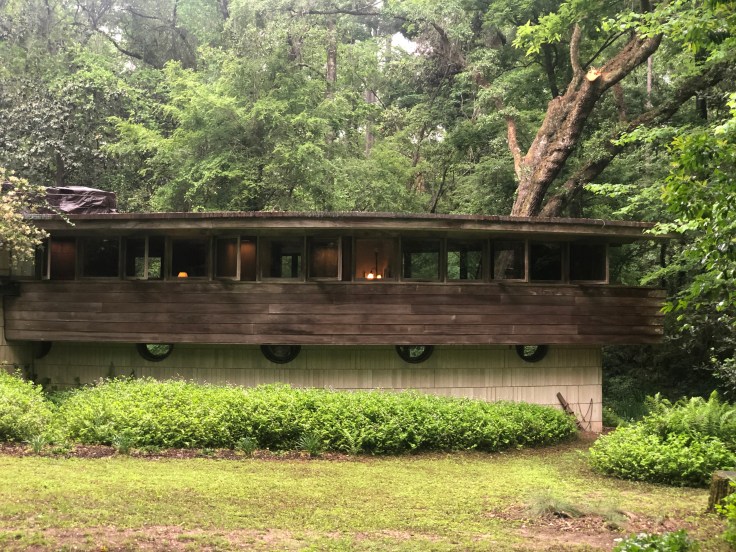
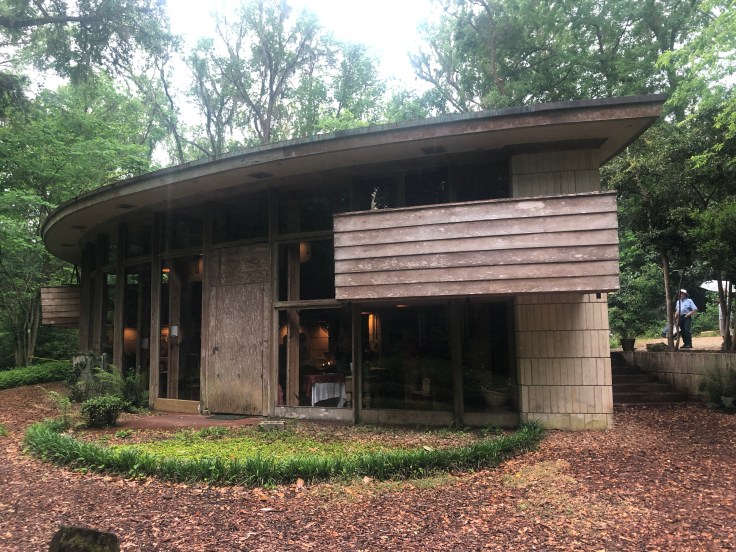
We had an appointment at 2:00 pm to see the Spring House, the only Frank Lloyd Wright house built in Florida.  We had light rain as we approached, but the house itself was delightful.

img_1974img_7826img_1976img_7828img_7829

Obviously it is in need of repair and restoration… The daughter of the original owner, who grew up in the house, still lives here; she is trying to raise funds on behalf of a foundation (www.preservespringhouse.org) so that they can buy the house, restore it, and open it for philanthropic events…

We met Byrd, the current owner, and heard the story of the house.  Her parents, Mr. and Mrs Lewis, saw an article by Frank Lloyd Wright in a magazine about houses having “souls”, and they were impressed.  They had a chance to meet FLlW in 1952 and they said, “We have a lot of children (4) and not much money; can you design a house for us?”  At the time FLlW was 84 years old and was still excited about his “Usonian” houses for people of modest means, so he agreed.  After a 2 1/2 years the Lewises had found this five acre property with a stream running into a lake.  The house was designed and eventually built, with all the usual FLlW drama, even though he never visited the house…

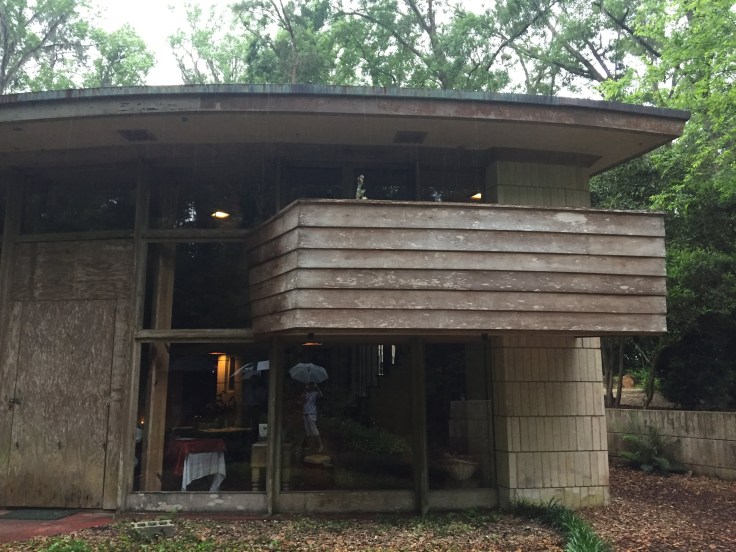
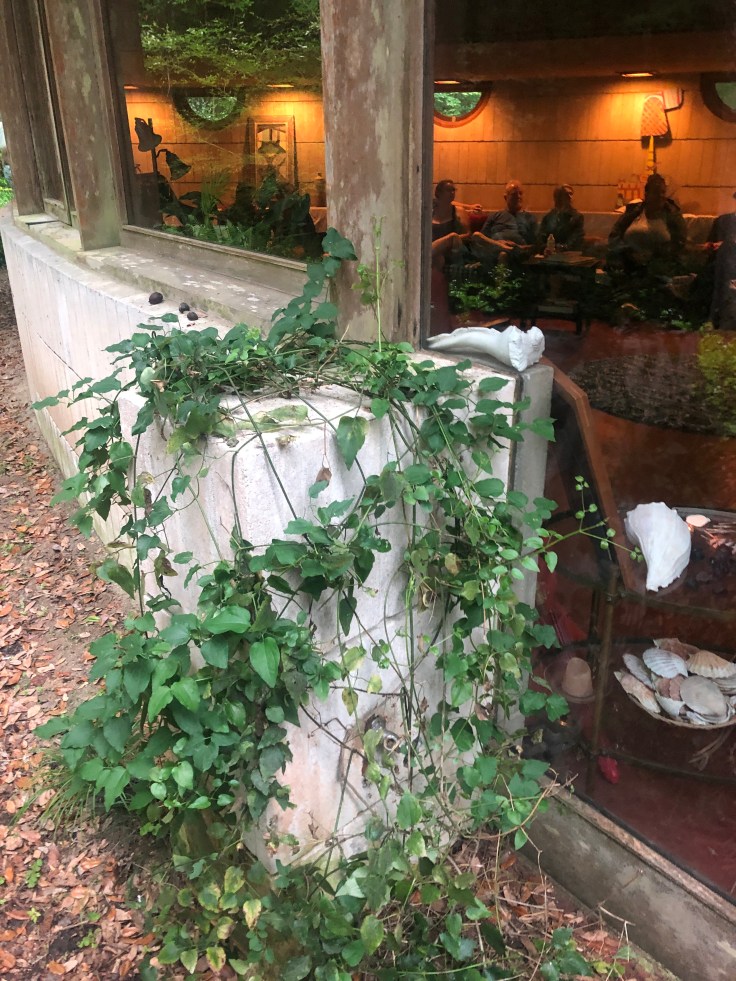
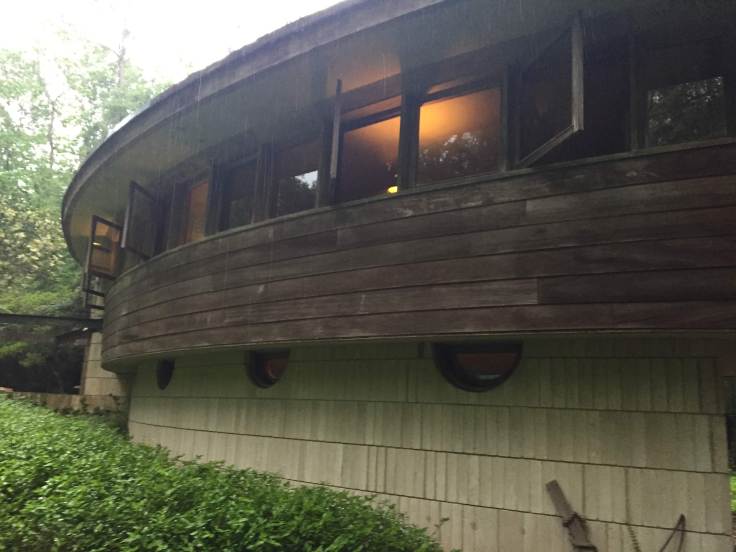
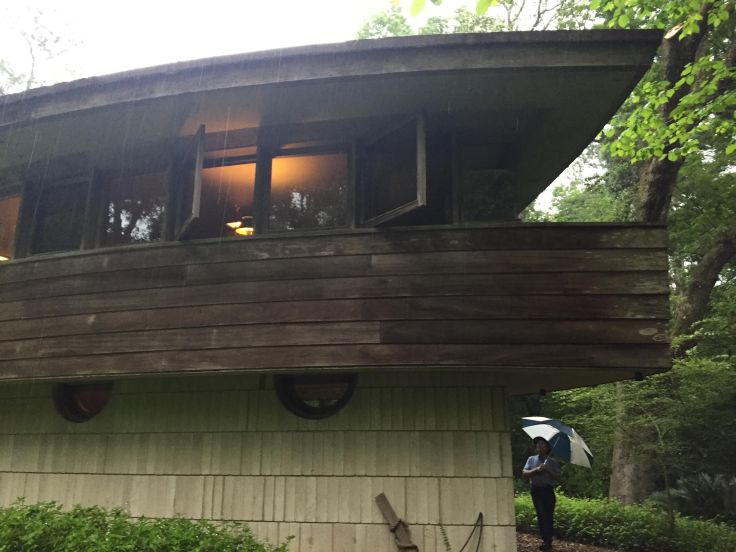
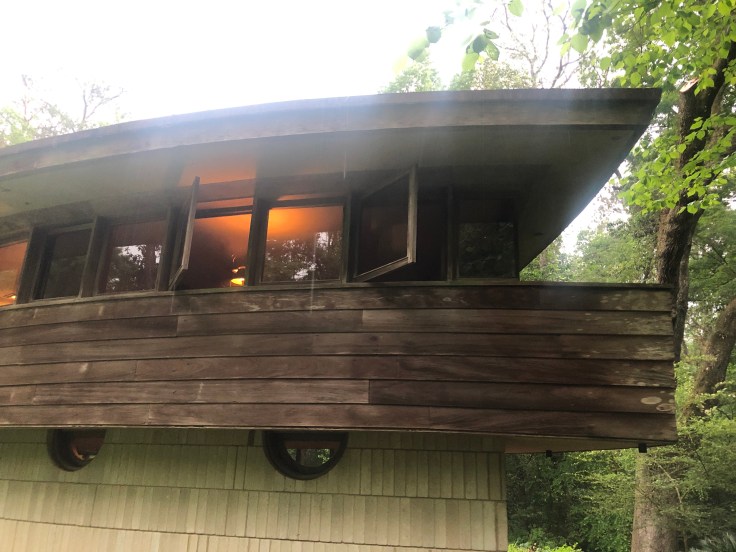
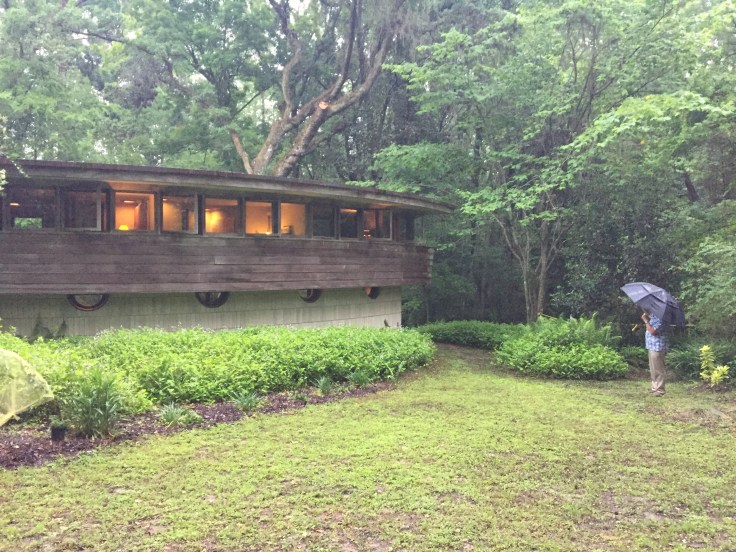
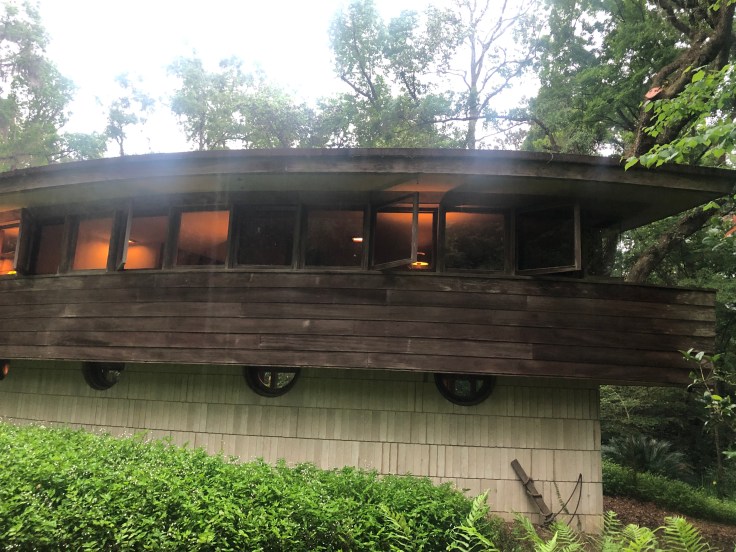
The house is boat shaped, and it has three curved walls, the two exterior walls being convex, and the interior balcony being concave.  The ends are pointed.  There is a huge two-story tall curved wall of glass facing the forest; all the major rooms in the house face this wall of glass and have a continuous view of the wall of trees a few feet away from the house.  Spectacular!  Unfortunately, interior photos are not allowed…

img_1978img_1979img_7830img_7831img_7832img_1980

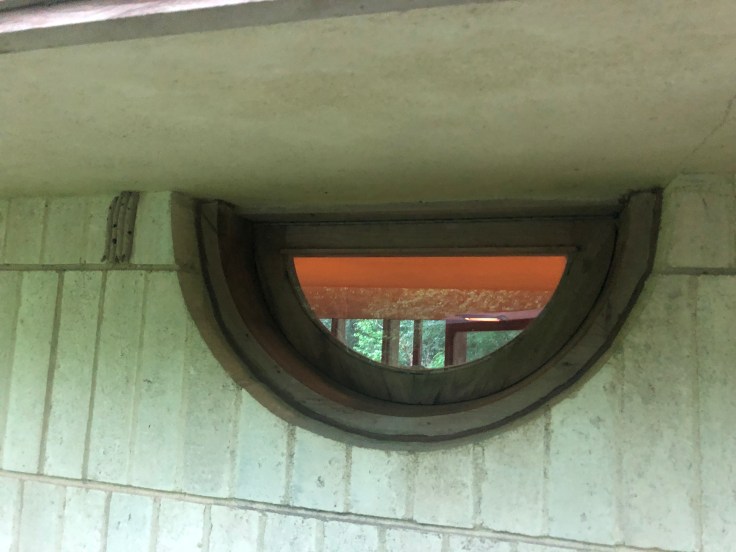
The little windows resemble half-portholes…

img_7833

The ship lap siding runs through the glass…

img_1981img_7834img_7835img_1982img_1983img_7836img_1985

So between talking to Byrd, the other docents, and other visitors, we spent a delightful two hours.

We then traveled to the home of the WBCCI Caravan Director, Jay Thompson, and his wife, Elna.  They were leaders of the Southwest Caravan that we did last year.  We had a nice time catching up, drinking wine, and batting around ideas about how the caravan experience can be improved…

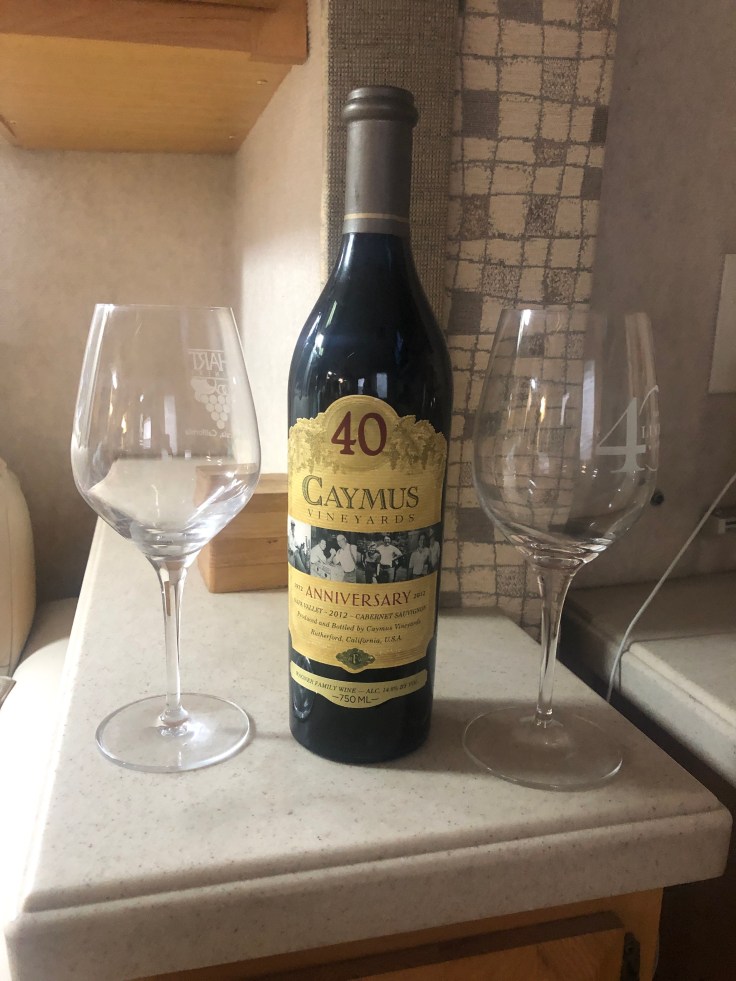
We returned to the Villa about 6:30 and enjoyed a bottle of wine and some pasta…

img_1988

And an enjoyable time was had by all…

2019-04-16 – Airstream Caravan Travels – Tallahassee, FL to Chattahoochee Hills, GA…

We left Tallahassee in the morning and headed north.  it wasn’t long before we were in Georgia; we pulled in to the Visitor Center for a brief stop…

img_2011

img_2043

We continued on.  For about 4 hours Georgia looked like this…

img_7848

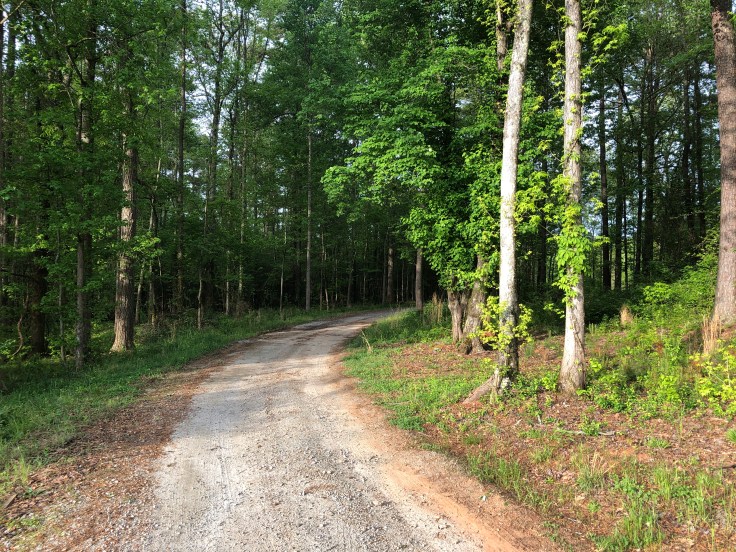
We arrived at Chattahoochee Hills by mid afternoon.  We drove down this dirt road…

img_2034

We ignored the Private Driveway signs and proceeded in, hoping we were in the right place and that we wouldn’t find a dead end…

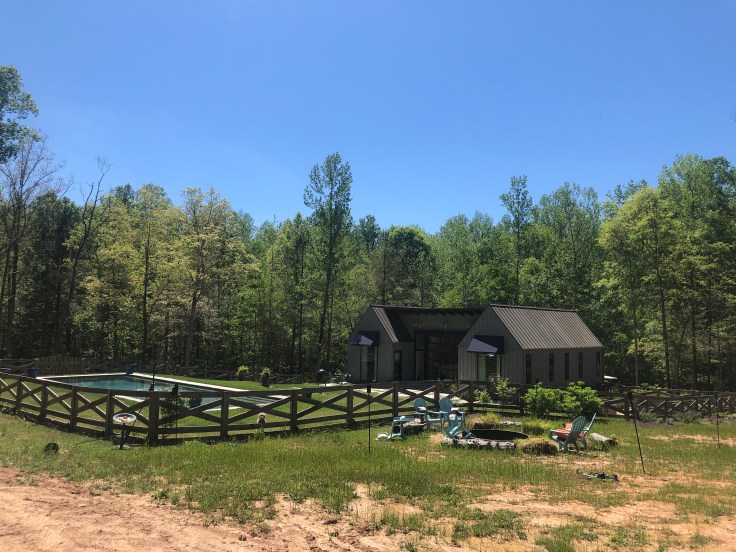
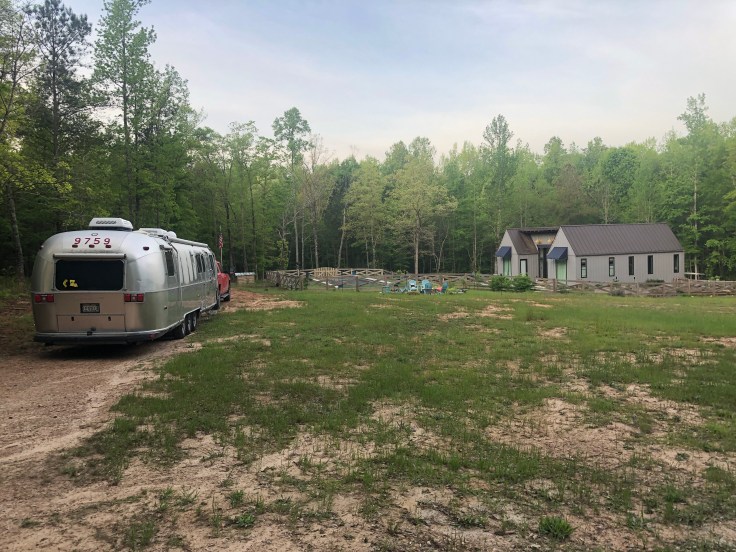
But it was OK – we arrived at this large clearing with a lovely house and pool…

img_2015

img_2014

We parked the Villa off to the side and called our friends, who live nearby…

img_2028

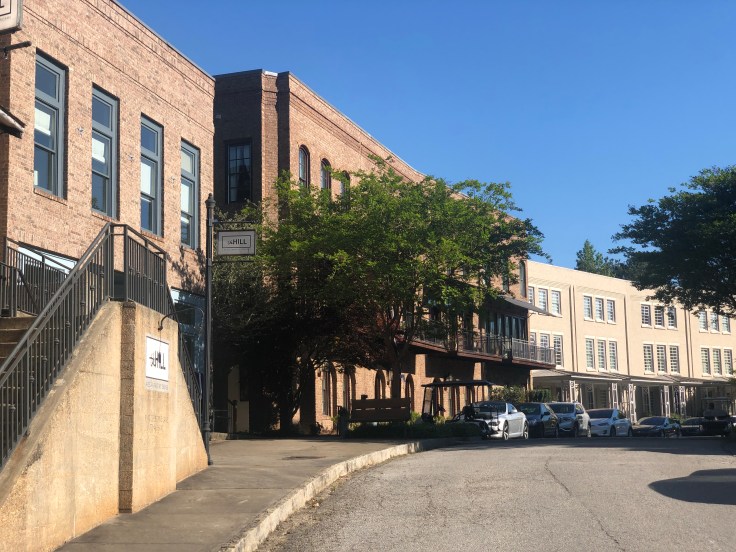
Our friends arrived and we walked about 1/2 mile to the village of Serenbe, more specifically, the hamlet of Selborne…

img_2023img_2016img_2024img_2026img_2025img_2027

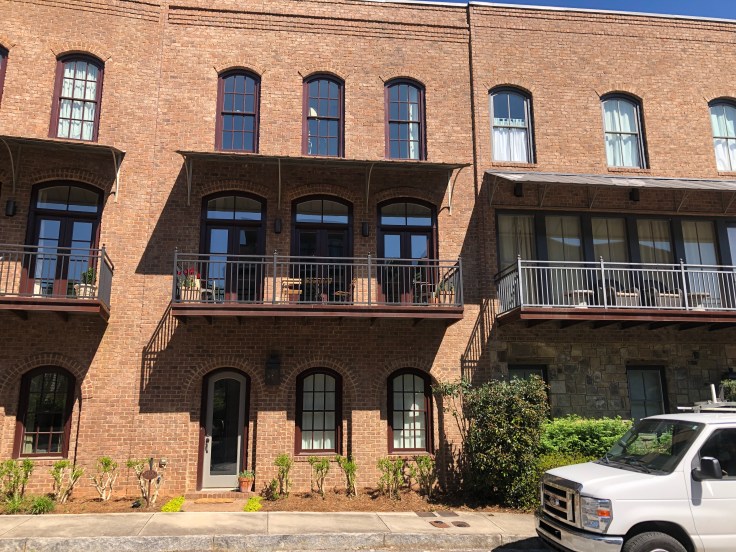
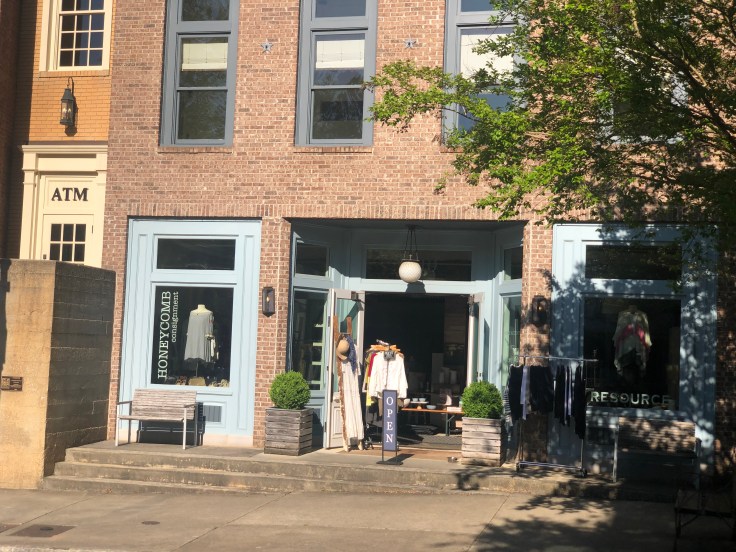
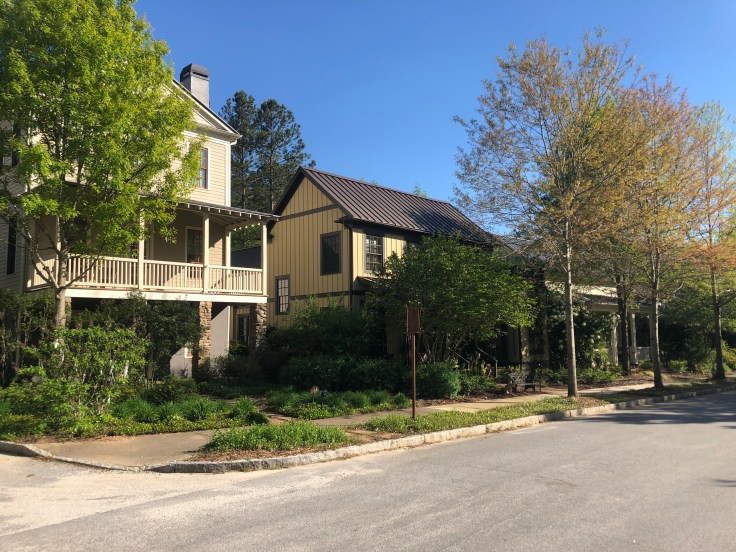
Serenbe was designed and developed along the lines of Neo-Traditional Town Planning similar to Seaside.  Unlike Seaside, which is a holiday town, by the sea, Serenbe is a place meant for full-time living, on the outskirts of Atlanta.  While Seaside is relatively dense and compact, all on 80 acres, Serenbe is hundreds of acres, with four hamlets separated by rolling open space.

It was delightful.

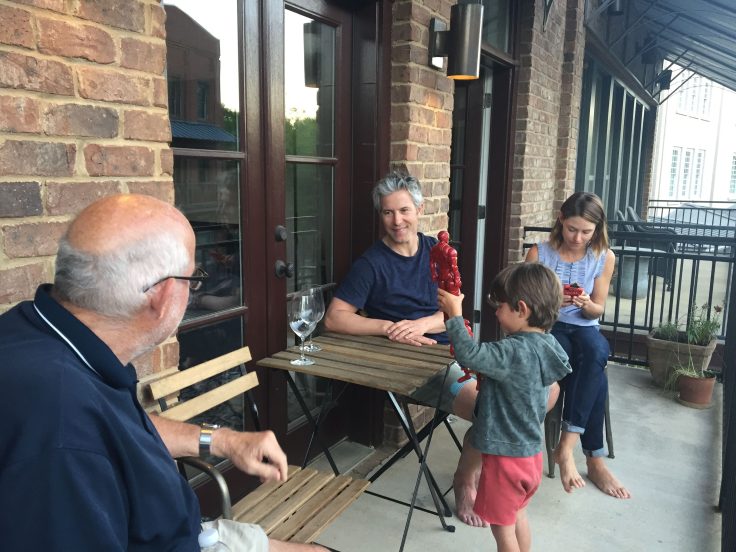
We met up with our friends and hung out at the pool for awhile.  Dinner and wine was consumed, and we ended the day on the balcony, overlooking the streets below…

img_2018img_7854

We were transported back to the Villa on their golf cart…

And an enjoyable time was had by all…
2019-04-13 – Airstream Caravan Travels – Seaside, FL, and a shocking discovery…!

We spent the day in Seaside, FL.    WARNING:  Architectural rantings and discussions approaching!!!

img_1924

Seaside is an unincorporated master-planned community on the western Florida panhandle.  One of the first communities in America designed on the principles of New Urbanism, ot Neo-Traditional Town Planning, the town has become the topic of slide lectures in architectural schools and in housing-industry magazines world-wide, and is visited by design professionals (like me…) from all over.  

The idea behind Seaside came in 1946, when the grandfather of future founder Robert S. Davis bought 80 acres of land along the shore of Northwest Florida as a summer retreat for his family.  In 1978 Davis inherited the parcel from his grandfather, and aimed to transform it into an old-fashioned beach town, with traditional wood-framed cottages typical of the Florida Panhandle.  Davis, his wife Daryl, and architectural partners Andrés Duany and Elizabeth Plater-Zyberk of Duany Plater-Zyberk & Company did painstakingly detailed research; they toured the south, studying small towns, armed with cameras, sketch pads, and tape measures; this became the basic for the planning of Seaside.  While a few houses were built in 1982 to “test the waters”, the final master plan was complete around 1985.

The developers used the master plan to write their own zoning codes.  Seaside’s commercial hub is located at the town center.  The streets are designed in a radiating street pattern with pedestrian alleys and open spaces located throughout the town.  There is a mix of uses and residential types throughout the community.

Individual housing units in Seaside are required to be different from other buildings, with designs ranging from styles such as Victorian, Neoclassical, Modern, Postmodern, and Deconstructivism.  Seaside includes buildings by many different architects, including such notables as Robert A. M. Stern, Daniel Solomon, and Samuel Mockbee.  Architect Scott Merrill designed the Seaside Chapel, an interfaith chapel and local landmark.  Seaside has no private front lawns, and only native plants are used in front yards.  The picket fences, required to be in front of all houses are all different from each other…

The result of all this work and planning is a remarkable little community.  Streets are designed first for pedestrians, and secondarily for automobiles.   We walked for hours, and every time we turned the corner a new delight was seen.

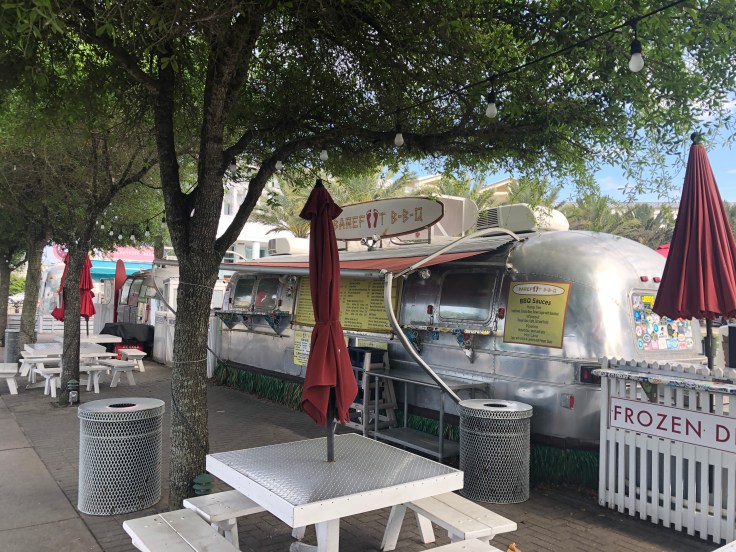
We arrived at about 9:00 on a Saturday morning.  The farmers’ market was in full swing; we stopped by one of the many Airstream “Food Trucks” for a breakfast crepe and coffee…

img_1901img_1902img_1913

We then headed out for a stroll along the beach.  There are seven access points to the beach, each one with a tower-type structure to mark its presence, each tower designed by a different architect.  This tower and stair is the ONLY public access to this stretch of beach…

img_1916-1img_1917

Yes, that’s right.  The beach is private, and all the other access points have locked gates.  Not only that, but there is a solid wall of buildings lining the Gulf Coast Highway (30A), so that as you walk or drive along the highway you wouldn’t even know the beach and the gulf are there!  I think Florida could learn a thing or two from other States which treat the beaches and oceans as a public resource to be enjoyed by all…

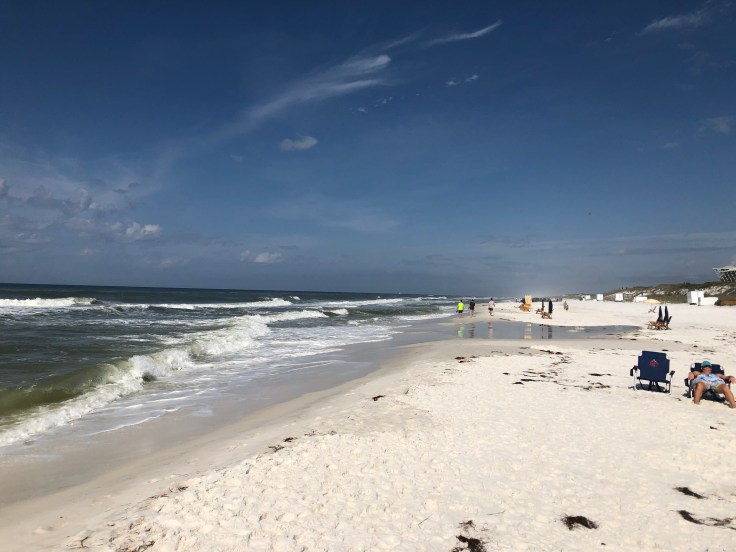
But, in any case, the beach is beautiful, with the same powder sugar sand like we saw in Mississippi…

img_1914img_1915img_1927

img_1928

Lynda tested the waters.  Cooler than what we expected, but warmer than any beach in California… (You did not know that California beaches and the Pacific Ocean there are cold???)

img_1938

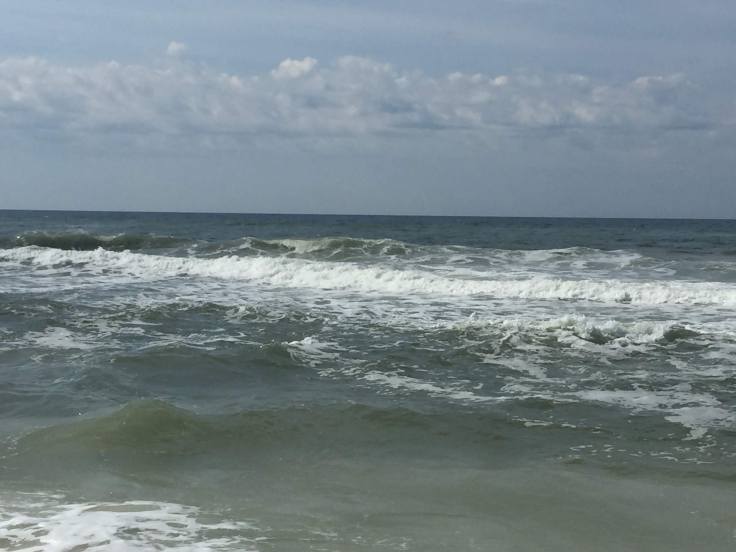
We were also surprised to see the waves, which were non-existent in Mississippi…

img_7801

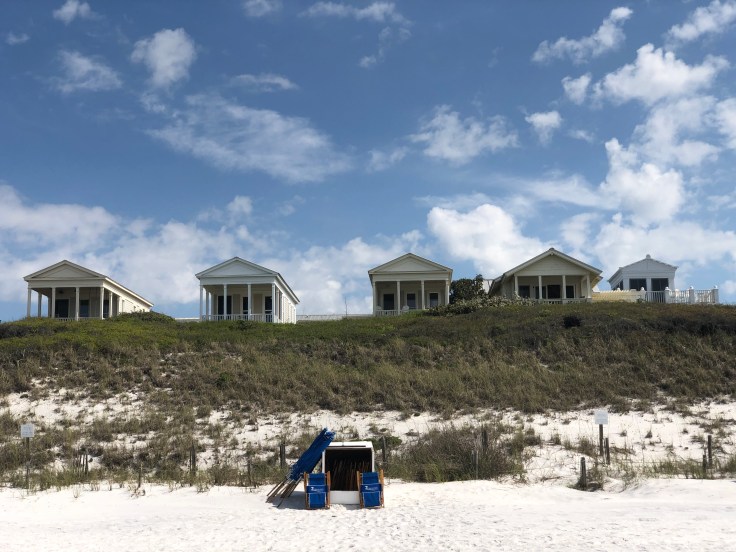
These are some of the houses that block off the beach from the highway…

img_1940img_1941img_1943img_1944img_1945

We had a lovely walk on the beach, but we came here to see the town…

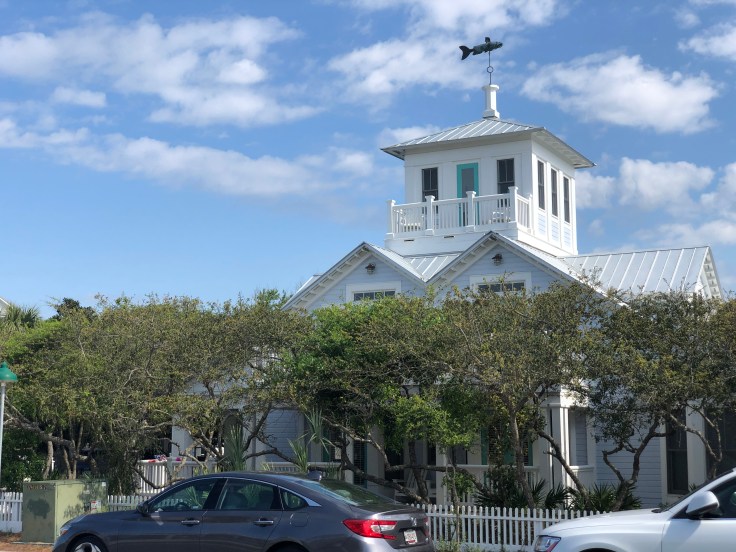
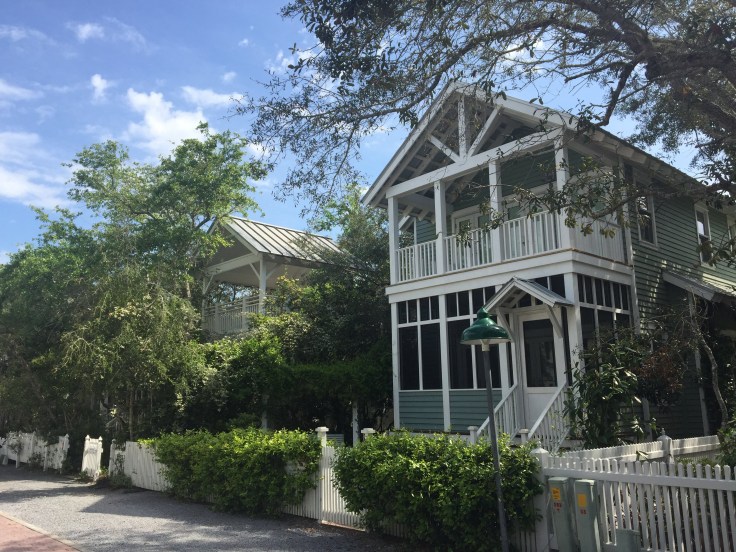
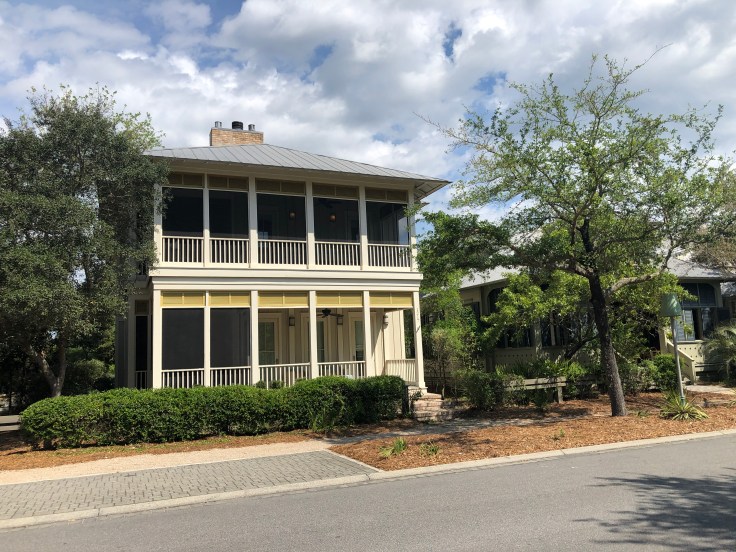
All buildings appear to have the form of this type of vernacular, although there are many different styles of homes…

img_1923img_7804

The streets are delightful…

img_1948img_1949

This tiny house is set back far from its neighbors…

img_1950img_1953

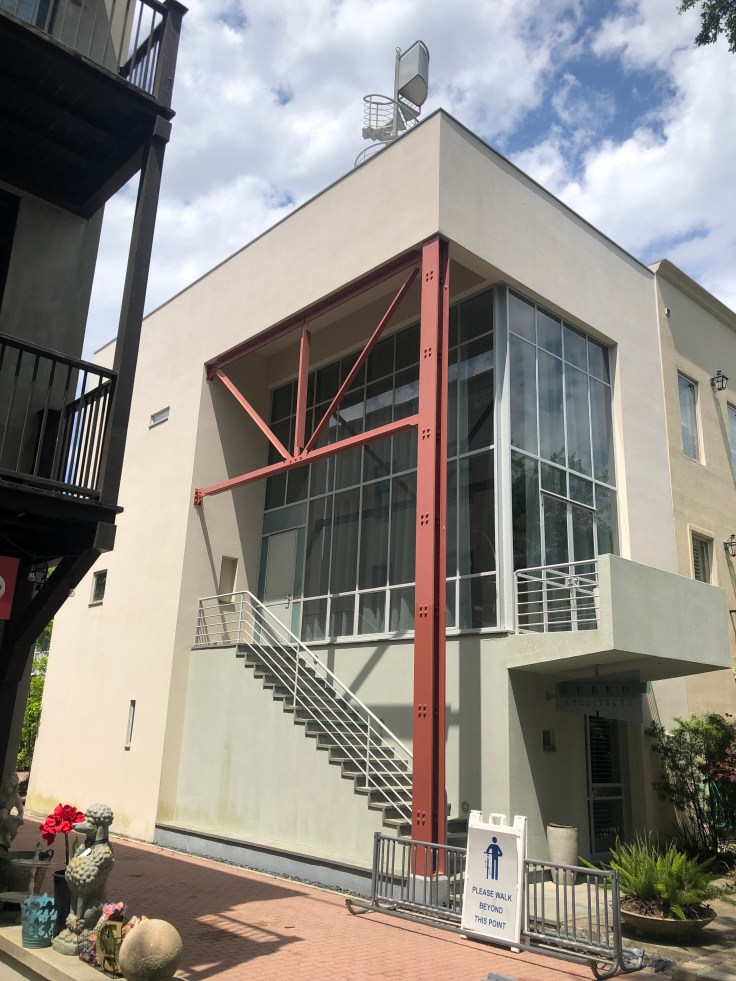
Not all the houses are traditional…


img_1961

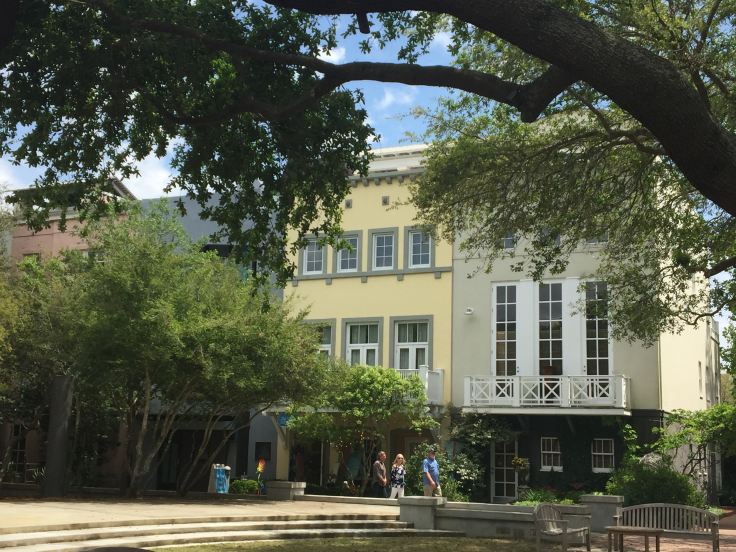
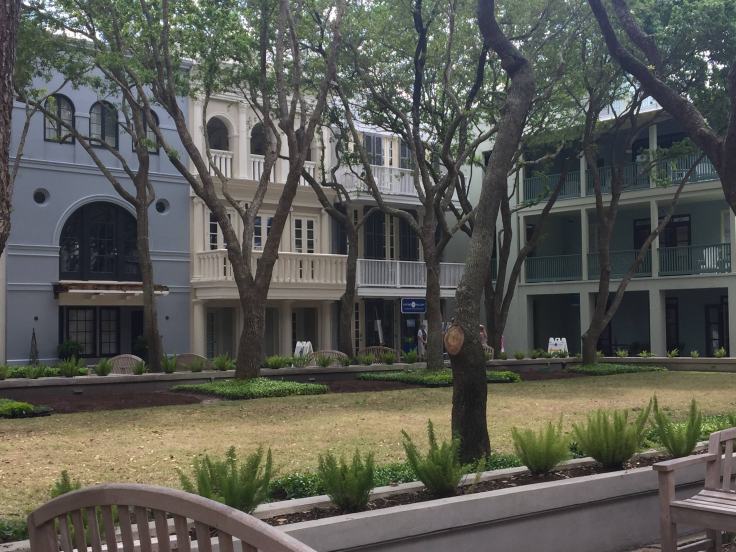
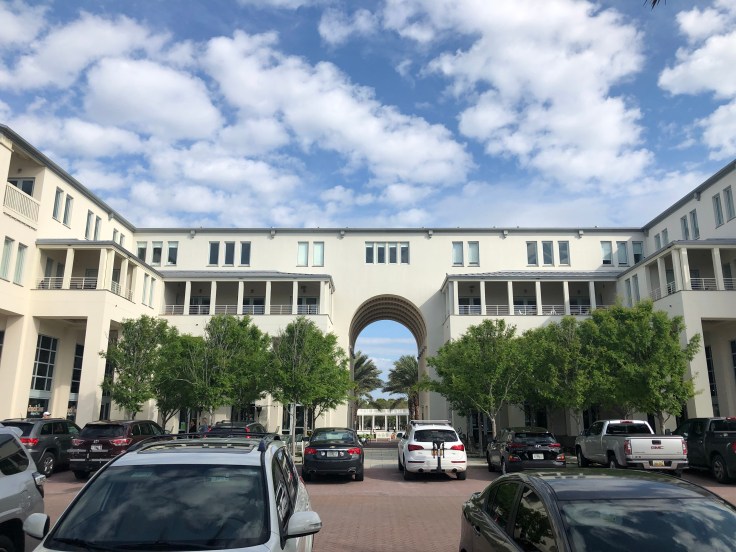
These townhouses surround a courtyard just a short block from the business district, and many have businesses on the ground floor…

img_7807img_7806img_1960

This is the interfaith non-denominational chapel.  We wished our schedule would have allowed us to attend services on Sunday…

img_1963img_1965img_1964

More streets – each one more delightful than the next…

img_1958img_1955

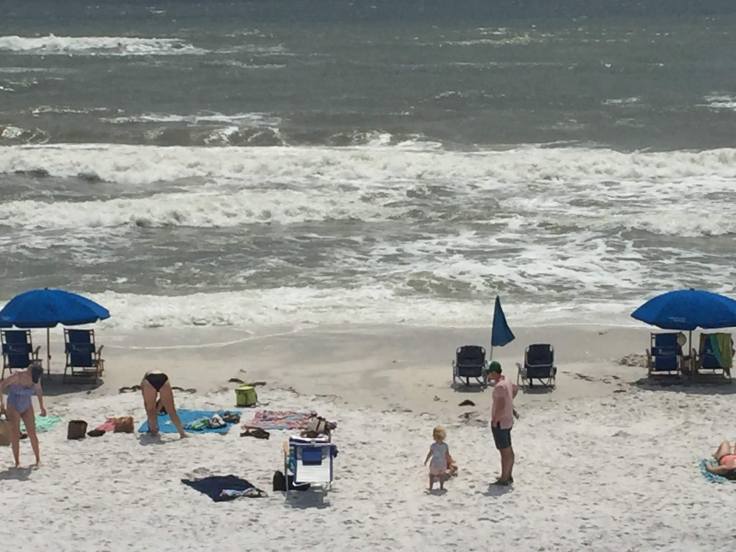
Finally, by mid afternoon, we were ready for a break.  The beach was much busier now, and the patrons of the restaurants were hopping…

img_7814img_7815img_7818img_1967

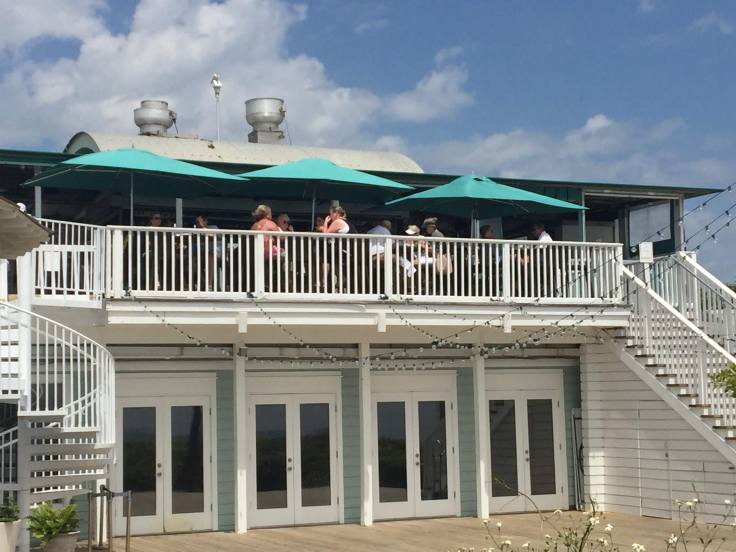
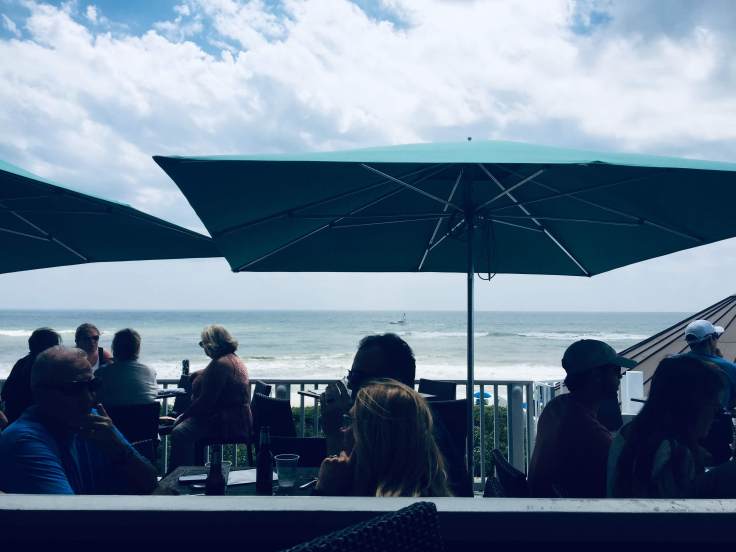
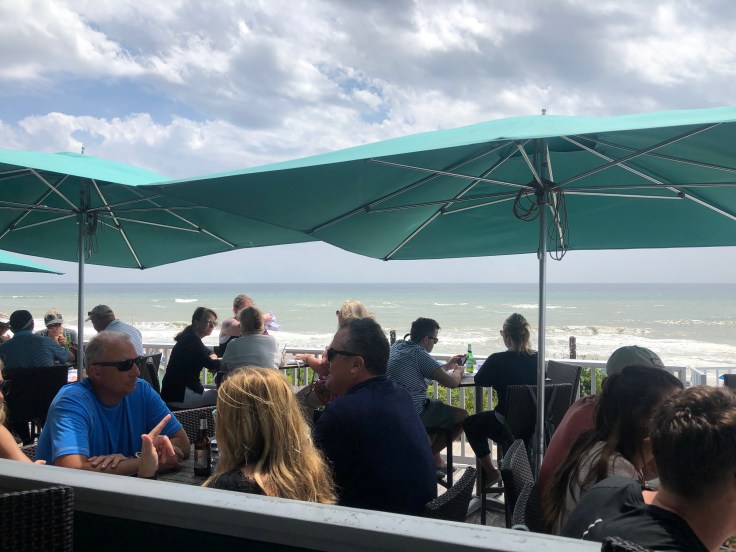
We had a lovely lunch on the terrace overlooking the beach…

We walked around the business district and did some shopping…

img_1905-1

The troubadours were playing adjacent to the farmers’ market…

img_1912

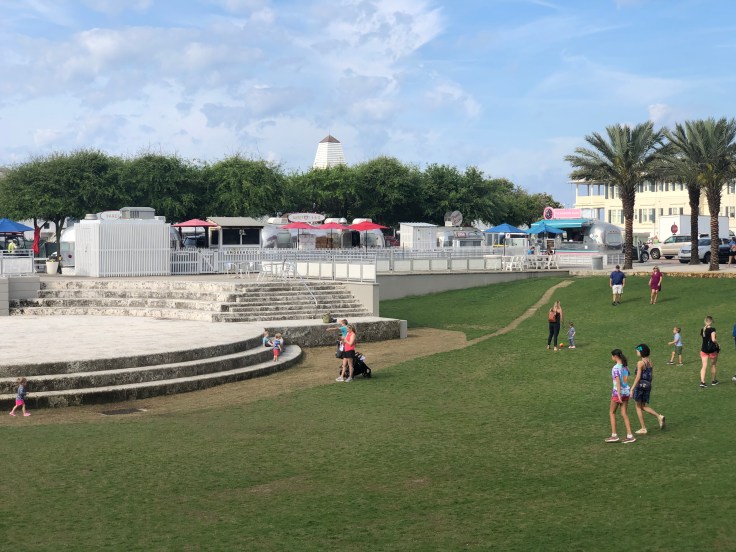
There is this large central park shaped like a amphitheater.  On Friday evenings they show movies on the lawn…

img_1911img_1909img_1908

The farmers’ market…

img_1907img_1910img_1903img_1904

We returned to the Villa.  Happy Hours ensued.

And an enjoyable time was had by all…
Blog at WordPress.com.

Up ↑